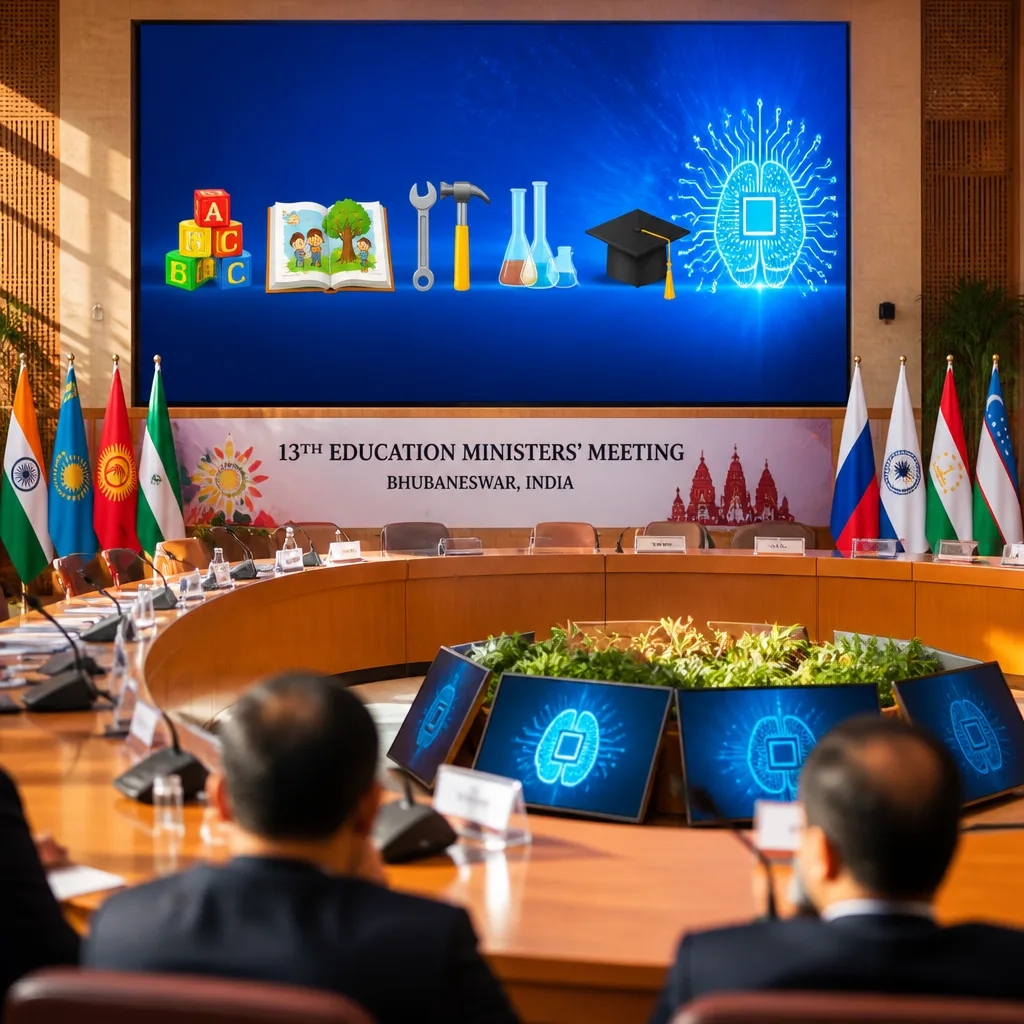
The BRICS bloc has identified five priority areas for joint action in education and research following the 13th Education Ministers’ Meeting in Bhubaneswar, India, a declaration adopted after the gathering shows.
Human-centred approach emphasised
India’s Minister of Education, Pralhad Joshi, framed the group’s educational aims around values he described as essential for preparing younger generations: “
respect, cooperation, equality and responsibility”. The minister said students, teachers, researchers and young people should be central to both national education policies and international cooperation, according to the website of the Press and Information Bureau of India.
Five shared areas of focus
The ministers singled out five themes as collective priorities. The declaration outlines common workplans and potential areas for collaboration across the BRICS membership.
- Early childhood education — expanding access to quality pre-school provision and improving children’s readiness for school, with a role for digital technologies in early learning.
- Vocational and technical education — greater cooperation to train specialists and strengthen technical pathways.
- Science, innovation and start-ups — joint research, stronger university–researcher links, and support for entrepreneurship; special attention to the safe and ethical use of artificial intelligence.
- Mutual recognition of qualifications — work towards agreements that simplify recognition of diplomas and other academic credentials among member states.
- Academic leadership and institutional development — exchanges of lecturers and university leaders, expanded scholarship programmes and continued support for the BRICS Rectors’ Forum.
Planned measures and ideas
Delegates proposed a range of measures to implement these priorities. For technical and vocational education, India suggested conducting an international study to identify skill gaps; other BRICS members may join on a voluntary basis. On research and innovation, the ministers want to deepen collaborative projects and back ventures that link universities with start-up ecosystems.
On qualifications, the declaration signals a continued push towards arrangements that make it easier for graduates to have their credentials recognised across BRICS countries. The ministers also agreed to explore the concept of a common framework for university ranking and evaluation within the grouping.
Policy implications and classroom relevance
For educators and school systems, the emphasis on early childhood education and digital tools points to growing attention on the foundations of learning and how technology can be used in age-appropriate ways. The focus on vocational pathways and skills mapping could affect curriculum planning and industry partnerships, while moves on mutual recognition may ease student mobility and labour market integration for graduates across member states.
| Priority area | Intended action |
|---|---|
| Early childhood education | Expand access; use digital tech for early learning |
| Vocational/technical education | Cooperate on training; international skills study |
| Science & innovation | Joint research; support entrepreneurship; ethical AI |
| Qualifications recognition | Work towards agreements for easier diploma recognition |
| Academic leadership | Exchanges, scholarships, BRICS Rectors’ Forum activities |
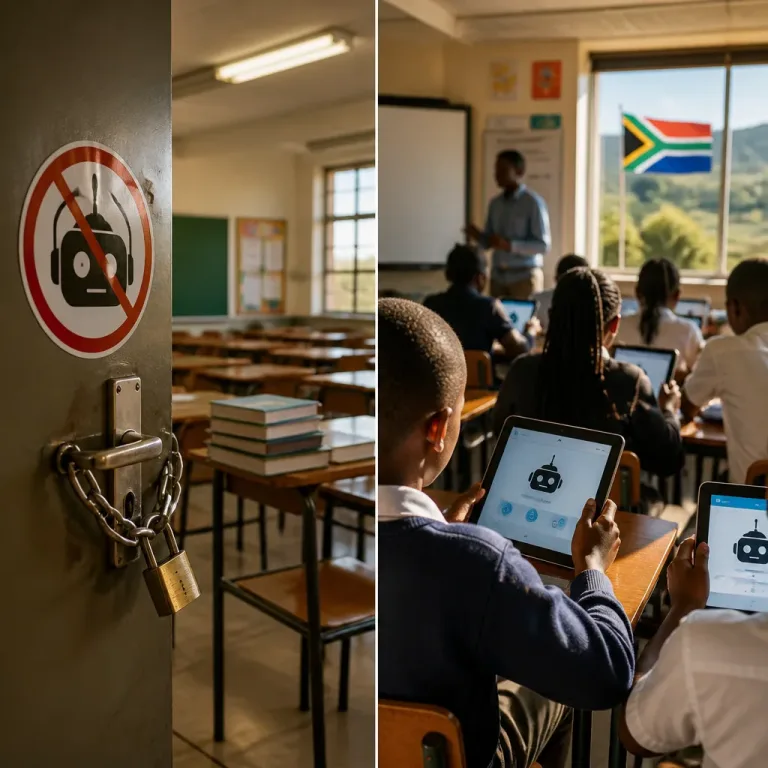
The ministers specifically noted artificial intelligence as an area requiring attention to ensure its use in education remains safe, ethical and human-centred. That focus aligns with wider global debates about how AI tools should be governed when they enter classrooms, research settings and skills training.
The declaration signals intent rather than immediate, binding commitments. It outlines shared priorities and possible mechanisms for cooperation — from studies and scholarship schemes to institutional exchanges. How these intentions will be translated into funded programmes, timelines or legislative changes will depend on individual BRICS governments and on follow-up at technical and ministerial levels.
South African educators and university leaders engaged in BRICS networks will be watching how the bloc’s plans for qualifications recognition and research collaboration evolve, and what practical opportunities emerge for schools, vocational institutions and higher education.