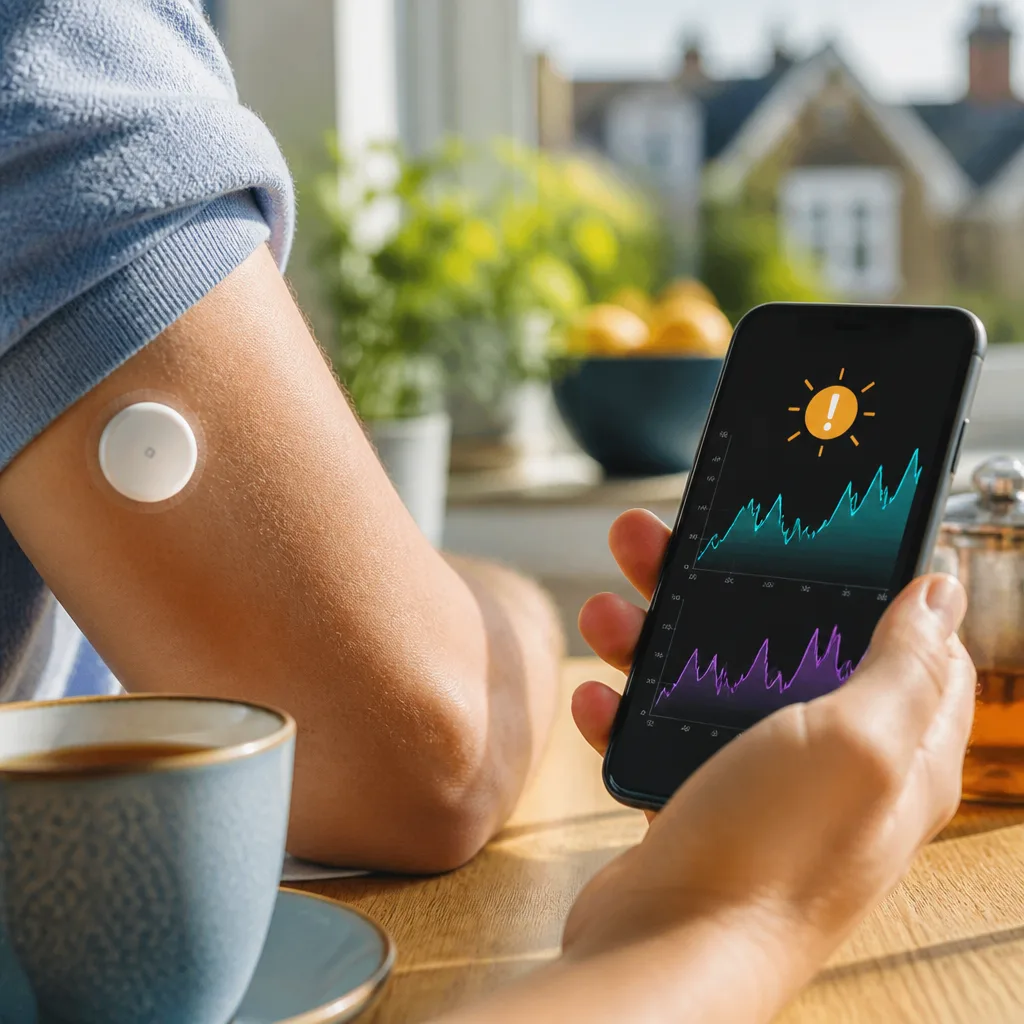
The US Food and Drug Administration has authorised a wearable from Abbott that combines continuous glucose monitoring with background ketone detection, marking what the company calls the first device to monitor both biomarkers simultaneously.
Abbott’s Libre Duo 10 Day system is intended to deliver the glucose data people with diabetes already use for daily care while also detecting rising ketone levels that can precede a diabetic ketoacidosis (DKA) emergency. The device received De Novo authorisation and is expected to reach the US market later this year.
One device, two signals
The Libre Duo is described as a biowearable that runs for up to 10 days. Besides glucose readings, it monitors ketones “in the background”, a design choice Abbott says will provide additional health insight without adding mental or physical burden on the wearer. The system integrates with the latest generation of the Libre app in the United States and is intended to be compatible with leading automated insulin delivery (AID) systems.
The FDA clearance also marks the system as the first to meet two regulatory benchmarks: the agency’s integrated continuous glucose monitoring (iCGM) standard and a newly established integrated continuous glucose and ketone monitoring (iCGK) standard, which sets expectations for continuous ketone monitoring in the US.
Why ketone monitoring matters
Diabetic ketoacidosis is the most common hyperglycaemic emergency affecting people with diabetes and can develop rapidly when the body lacks sufficient insulin. Abbott points to a worrying trend in hospital admissions for DKA, which it says have risen by 55% over the past decade, underlining the clinical need for earlier detection.
| Metric | Value |
|---|---|
| Sensor wear duration | 10 days |
| Increase in DKA admissions (past decade) | 55% |
The addition of ketone monitoring to wearable glucose sensors addresses a recognised gap. Current practice often requires people to test ketones manually with blood or urine strips when symptoms or high blood sugar prompt concern. Embedding ketone detection into a wearable promises continuous surveillance and earlier warning, which could avert emergencies or prompt timelier clinical responses.
Regulatory and ecosystem implications
The device’s De Novo route and the breakout iCGK designation are notable for regulators and manufacturers. De Novo authorisation is a pathway for novel devices that are low to moderate risk but have no substantially equivalent predecessor; it can set a regulatory template for subsequent products in the category. The creation of an iCGK standard establishes a benchmark that other companies will likely need to meet to bring similar combined-sensing devices to market in the United States.
Abbott also says the Libre Duo will be compatible with its wider Libre digital ecosystem and with third-party automated insulin delivery systems. If realised, that interoperability could allow ketone warnings to feed into algorithms or clinician dashboards, though details on how ketone data will be acted upon by AID systems were not provided in the material released with the clearance.
- Continuous ketone sensing aims to detect DKA risk earlier than sporadic testing.
- Regulatory precedent: the product meets new iCGK and existing iCGM standards.
- Interoperability with apps and AID systems could influence care pathways if implemented.
The announcement focuses on the US clearance and commercial plans for the American market. It does not supply trial data or detailed performance metrics in the material accompanying the authorisation, nor does it specify how ketone alerts will be triaged in clinical practice. Those details will be important for clinicians, insurers and patients to assess the real-world value of continuous ketone monitoring — particularly given the high stakes of DKA and the potential for alert fatigue.
As the first entrant into this combined-sensing category under a formal FDA standard, Abbott’s device will also be watched by competitors and regulators outside the United States as they consider whether similar standards and approvals are needed elsewhere.
The adoption curve for any new medical wearable depends on clinical validation, cost, reimbursement and integration into care pathways. For people living with diabetes, though, a single sensor offering continuous glucose and automated ketone surveillance represents a meaningful advance in monitoring technology — provided the system can demonstrate reliable detection and actionable alerts without imposing extra burden on users.