
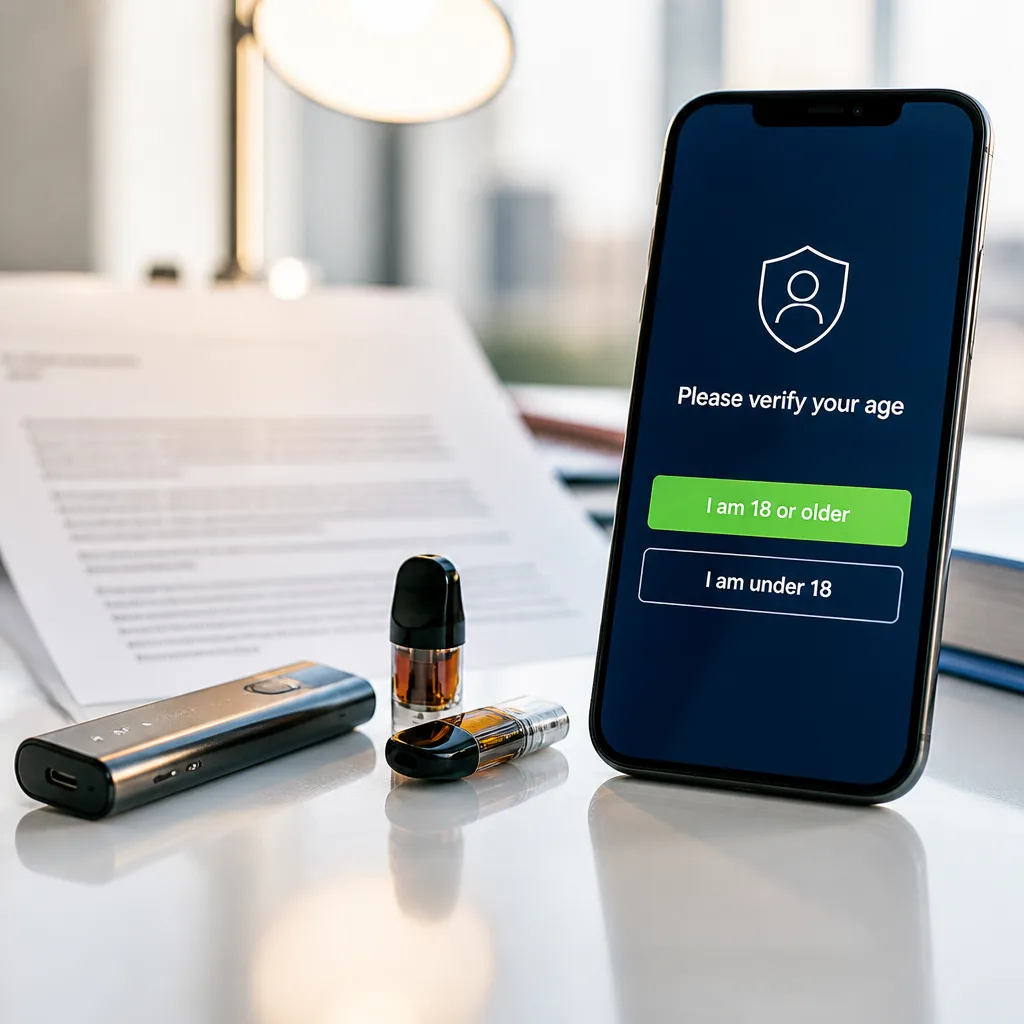
The Food and Drug Administration has authorised Juul Labs to sell a redesigned version of its flagship e-cigarette that includes an optional digital method to verify a user’s age before the device can be unlocked. The decision permits the company to reintroduce a flagship product for the first time in more than a decade.
What the authorisation covers
The ruling allows the firm to market the device under the brand name Juul2, along with refreshed tobacco- and menthol-flavour cartridges. Regulators made clear the determination is not an endorsement of vaping for non-smokers; people who do not smoke should not use Juul or any other e-cigarettes.
The device offers an option to require users to pass an age check via an online application before the hardware can be activated. The manufacturer presented evidence to the agency that informed the decision, including studies showing that adult smokers who switched completely to Juul products reduced their exposure to many of the harmful chemicals found in combustible cigarettes.
Evidence and limits
According to company data reviewed by regulators, between 20% and 50% of smokers who used Juul products had stopped smoking by the six-week mark; the exact quit rate varied depending on cartridge flavour and nicotine strength. The FDA has authorised only a small number of e-cigarette products on the basis that they may help adult smokers quit or cut down.
Juul's path back to the market comes after a period of severe corporate disruption. The company has previously laid off hundreds of staff and reached settlements totalling about $3 billion with government and private litigants relating to youth use of its products. In 2019 it withdrew a range of fruit and candy flavours that had been popular among underage users.
Context: market and youth trends
Juul is no longer the leading e-cigarette brand in the United States, having been overtaken by Vuse, a product of Reynolds American, which also owns traditional cigarette brands. Federal data indicate that youth vaping has declined in recent years, and the remaining teenage users predominantly favour unauthorised disposable e-cigarettes rather than major-brand devices.
- New product name: Juul2
- Settlements paid by company: approximately $3bn
- Reported smoking cessation range: 20%–50% at six weeks in company studies
- Age-control feature: optional app-based verification before unlocking device
| Item | Figure |
|---|---|
| Reported quit rate (company studies) | 20%–50% at six weeks |
| Settlement costs | $3bn (approx.) |
| Workforce reductions | Hundreds laid off |
Implications for policy and industry
The clearance highlights how consumer technology — in this case, an app-based unlock mechanism — is being used to address a public health concern: preventing underage access to nicotine products. Regulators have been cautious in granting market access to e-cigarettes, approving only those they judge likely to benefit adult smokers without significantly increasing uptake among young people.
Still, the introduction of an age-verification option raises questions about effectiveness and enforcement. The agency’s decision relies on evidence supplied by the manufacturer; independent evaluation will be needed to confirm whether app-based locks truly prevent minors from using devices in real-world conditions, or merely introduce another hurdle for those determined to obtain a product.
For Juul, the clearance offers a route to recover market share after years of legal fights and reputational damage. Whether the revamped product and its age-control features will persuade regulators, health groups and the broader public that the company has addressed the underlying problems remains to be seen. The long-term effect on rates of youth vaping, the uptake of unauthorised disposables, and on adult smoking cessation will determine whether this decision represents a turning point or simply a regulatory footnote.









