The prime minister has said he was given a clear answer that Russia interfered in the 2016 Brexit referendum, and urged that voters in other European countries be informed about what he described as overseas efforts to disrupt democratic politics.
Claim based on briefing on arrival at No 10
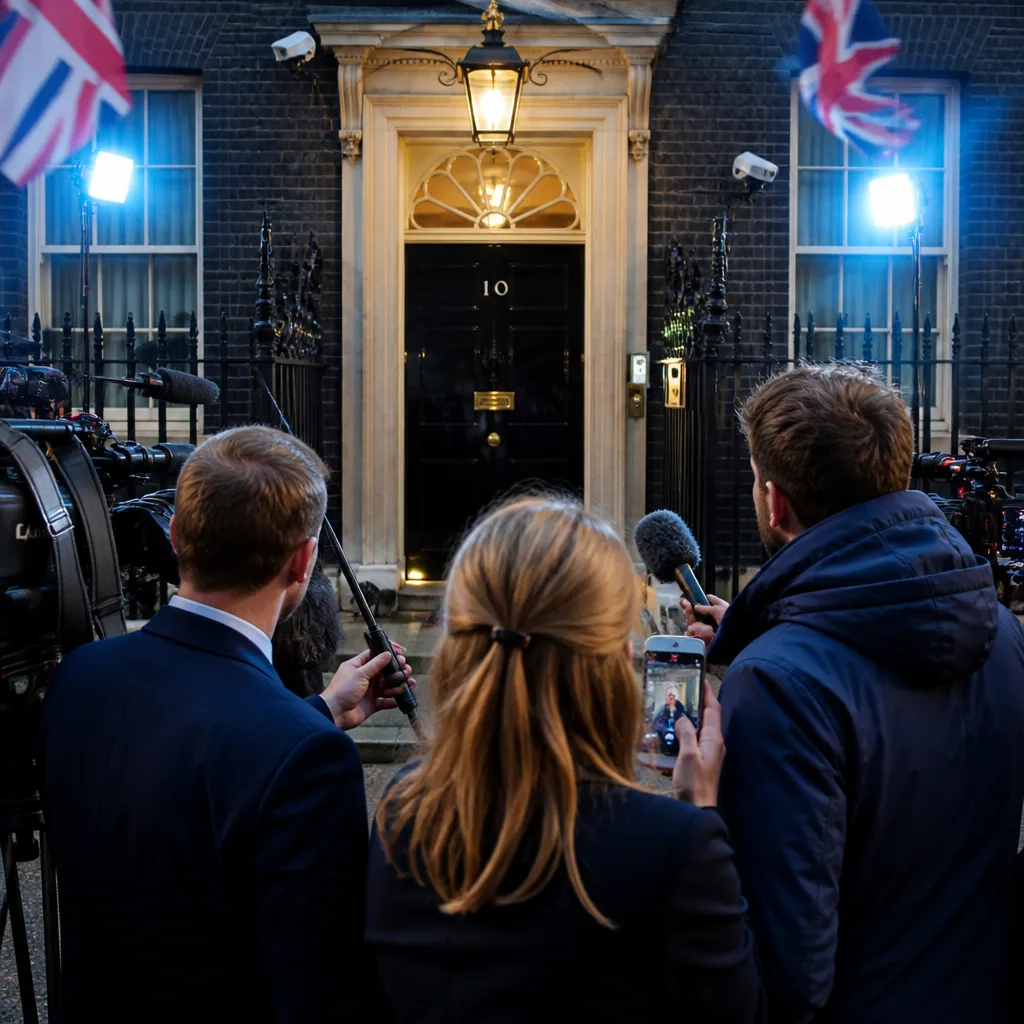
Speaking on The Rest Is Politics podcast, the prime minister said that when he arrived at Downing Street he asked whether Moscow had attempted to sway the vote on whether the UK should leave the EU, and was told:
"I've had the clear answer that, yes, there was."
He added that the Government had been "too much on the back foot" in explaining the scale of foreign efforts to interfere and that it was important to put those conclusions on the record so voters in France and Germany understood the source of some political messaging.
Context from parliamentary inquiry
The prime minister's comments mark the first time a serving UK premier has publicly said Russia sought to influence the 2016 referendum. They come against the background of a 2020 inquiry by Parliament's Intelligence and Security Committee (ISC), which criticised successive governments for failing to fully assess and counter the threat posed by Russian state-run media and coordinated online activity.
| Source | Finding / comment |
|---|---|
| 2020 Intelligence and Security Committee report | Government failed to fully assess the impact of Russian media and "troll" accounts on the referendum |
| Prime minister (podcast) | Received a clear answer on arrival at No 10 that Russia had interfered in 2016 |
Reaction and wider diplomatic angle
The prime minister said he had discussed the risk posed by far-right movements and foreign influence when meeting German chancellor Friedrich Merz in Berlin. He told the podcast that he had warned the chancellor about the rise of Alternative for Germany (AfD) and said there was "misinformation, disinformation that is emanating from Russia into German politics".
Domestic reaction to the prime minister's claims is already emerging. A pro-Brexit campaign group, Britain Unbound, described the assertion as "another crude attempt to undermine the legitimacy of the decision that the British people made in 2016" while accepting that foreign interference in elections is unacceptable. The group said there was no reason to believe Russian activity had affected the referendum outcome and called suggestions that voters were "easily duped" insulting.
What is known and what is not
- The prime minister says he received a briefing indicating Russia interfered in 2016; he did not set out operational detail in the interview.
- The 2020 ISC report criticised governmental assessment and countermeasures but did not reach a definitive public conclusion that Moscow changed the result of the referendum.
- Downing Street has not published fresh evidence in relation to the prime minister's statement in the podcast.
The distinction between interference and impact on outcome is central to the debate. The prime minister framed his remarks as a matter of informing voters in other European democracies about the provenance of some political narratives, rather than presenting new forensic evidence on vote manipulation.
Ministers and intelligence officials will now face questions in Parliament about the basis for the prime minister's assertion and whether further published findings are justified. The matter intersects with ongoing concerns about online disinformation, state influence operations and how democratic states cooperate to protect electoral integrity.
For now, the prime minister's statement has placed renewed attention on how the UK assesses foreign interference and how those assessments are communicated to the public and international partners.