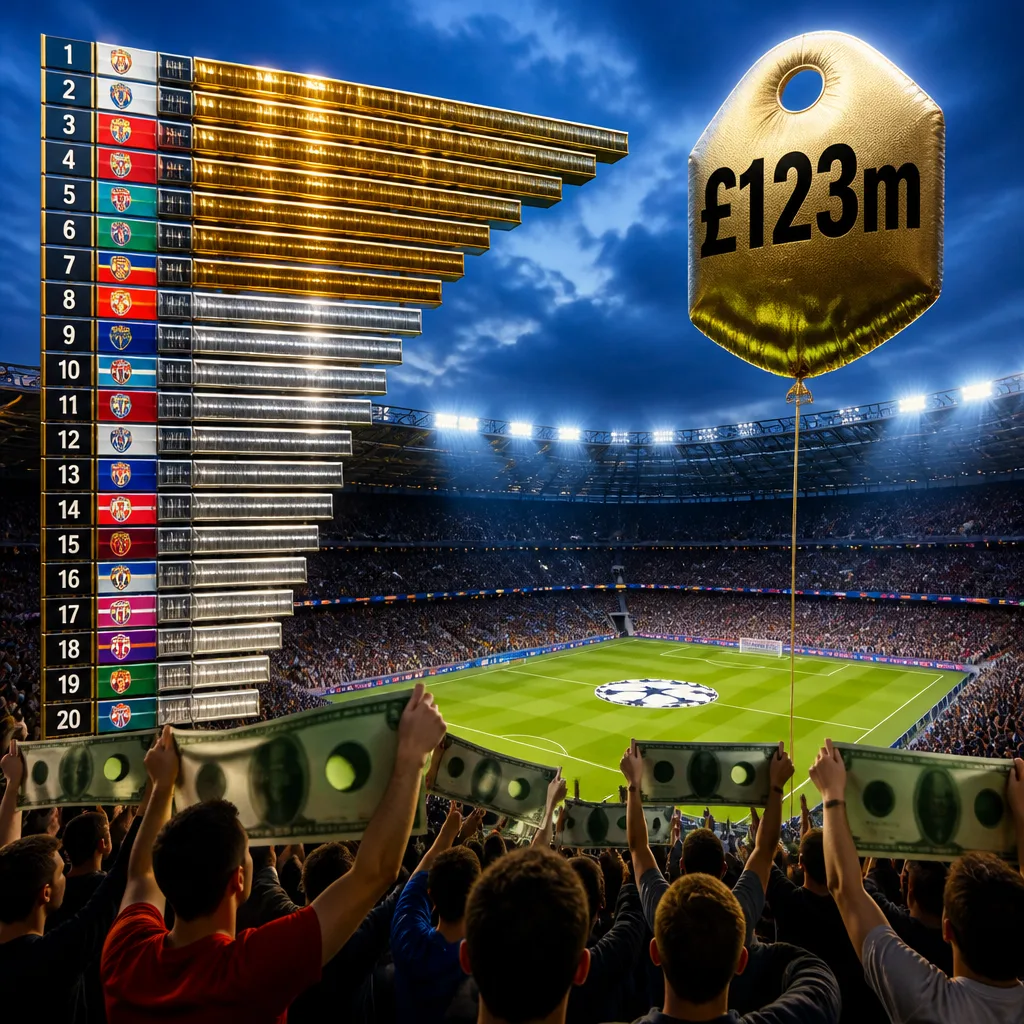
A new ranking of the world’s 20 most valuable football clubs underscores the concentration of financial and sporting power among Europe’s leading teams, and flags how recent transfer activity and continental competition prospects are influencing market valuations.
Commercial strength tied to sporting prestige
The ranking, published by a data and visual analysis outlet, brings into focus clubs that combine global brands, broadcast income and spending power. Several clubs mentioned in relation to the list — including Arsenal, Barcelona, Real Madrid, Bayern Munich, Paris Saint-Germain and Manchester City — are also being talked about as leading contenders in the upcoming Champions League season, emphasising the link between on-field expectations and perceived commercial value.
Industry coverage notes that Arsenal and Barcelona are being regarded as early favourites for the Champions League, while Real Madrid and the Parisian club remain among the top contenders. The public narrative around sporting prospects can amplify brand visibility and, in turn, affect rankings that attempt to quantify club worth.
Transfer market activity still a major driver
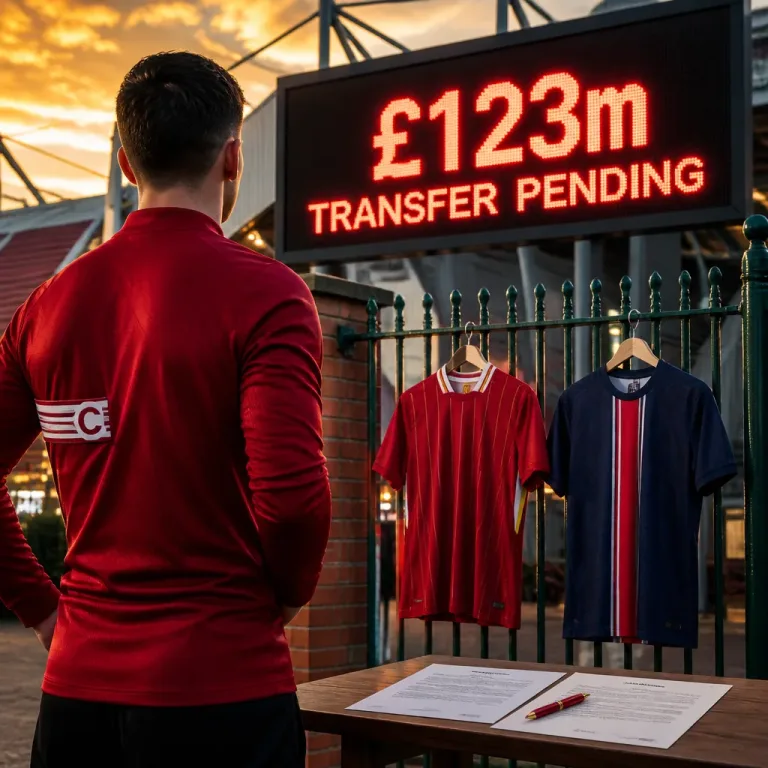
The enormous sums changing hands in the transfer market continue to shape perceptions of financial muscle. Recent reporting highlights a high-profile move involving Liverpool and the French forward Bradley Barcola. The deal was reported at £123 million, illustrating how headline transfers can both reflect and reinforce a club’s market position.
- Brand value: Clubs with global reach and historic success command premium valuations.
- Sporting performance: Champions League prospects influence market sentiment.
- Player investment: Record transfer fees underscore financial ambition and capacity.
What the ranking signals for supporters and stakeholders
For fans, the list offers a snapshot of which organisations command the most commercial attention — through sponsorship, media rights and international fanbases. For investors and club executives, such rankings are a barometer of where capital and market perceptions are concentrated across world football.
Although a top-20 list is a useful shorthand, it does not capture every dimension of club health. Long-term sustainability will depend on factors beyond headline valuations, including governance, wage structures, youth development and the ability to translate commercial income into sustained sporting success.
| Club | Role in recent coverage |
|---|---|
| Arsenal | Listed among favourites for the Champions League |
| Barcelona | Also named an early Champions League favourite |
| Real Madrid | Ranked among leading continental contenders |
| Paris Saint-Germain | Named among top candidates for European honours |
| Liverpool | Linked to a major transfer reported at £123 million |
Rankings such as this one also reflect wider trends reshaping football: global media deals, the expansion of commercial partnerships, and the ever-growing role of data-driven valuations. They are snapshots rather than verdicts — useful for tracking commercial trajectories but limited in their capacity to predict on-field outcomes with certainty.
As the new season unfolds, the interplay between sporting performance and commercial value will become clearer. Clubs that combine competitive success with prudent financial management are most likely to sustain or improve their positions in future valuations.
Observers should treat top-20 lists as indicators of market perception at a moment in time, not immutable rankings. The coming months — shaped by Champions League results, transfer windows and commercial deals — will provide fresh evidence about how durable these values are.