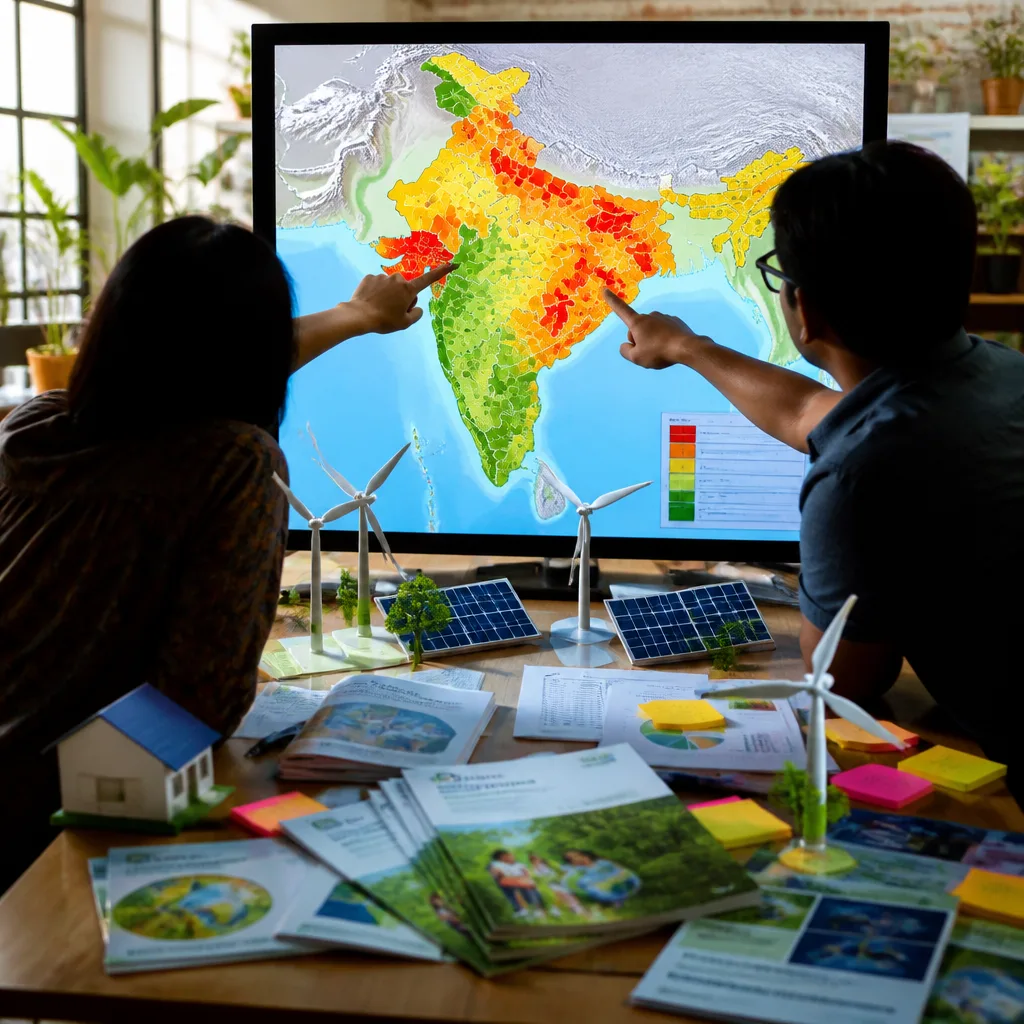
The latest update to the India Climate Opinion Maps, released by Yale Climate Communication and based on nationally representative survey data collected by CVoter through 2026, finds widespread public concern about global warming across the country but notable gaps in climate literacy in several regions.
High overall recognition and worry, regional differences in experience
The interactive dataset covers 34 of India’s 36 states and Union territories and 634 districts. After respondents were given a short definition of climate change, more than 75 per cent of people in every state and district indicated that they believe global warming is happening and said they were worried about it, the update reported.
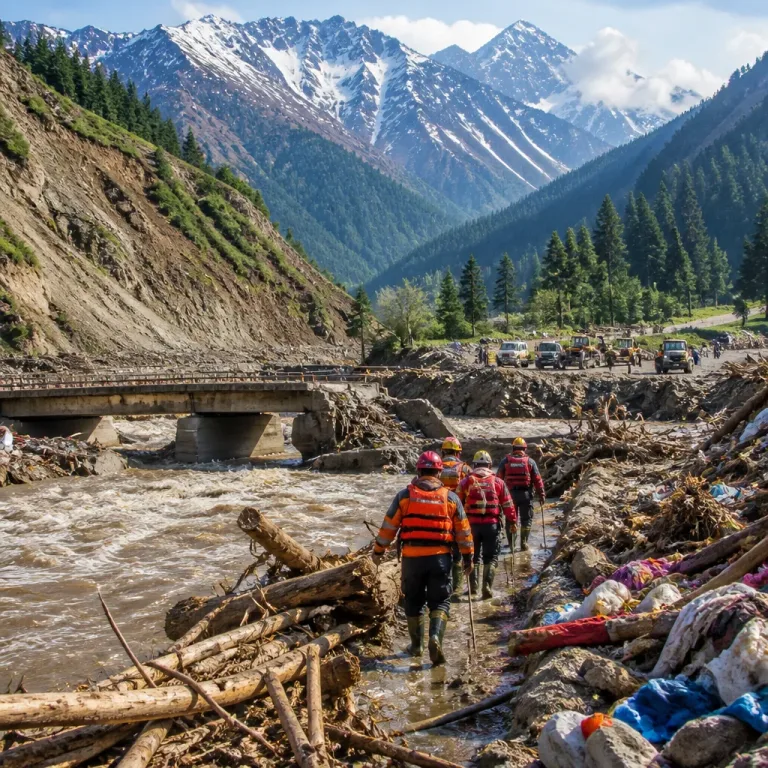
Personal experience of climate hazards shows a north–south split: a greater share of respondents in northern India reported having personally experienced severe heat waves and other effects commonly associated with global warming, and these respondents were more likely to say global warming will harm them, their families and their communities.
Gaps in climate literacy and attribution of causes
Knowledge of global warming is uneven. Fewer than half of respondents in most central, western and eastern states said they know "a lot or something" about global warming, according to the update. Understanding that global warming is human-caused is particularly low in parts of central and eastern India.
Selected state-level figures cited in the update include:
- Andhra Pradesh: about 80% of respondents said global warming is happening after hearing a definition.
- Delhi: approximately 92% of respondents said global warming is happening.
- Belief that global warming is human-caused is under 50% in several states: Bihar (45%), Madhya Pradesh (47%), Odisha (48%) and West Bengal (49%).
| Indicator | Finding |
|---|---|
| Geographic coverage | 34 states/UTs and 634 districts |
| Belief global warming is happening | More than 75% in every state/district (80% in Andhra Pradesh; 92% in Delhi) |
| Worried about global warming | More than 75% across all states/districts |
| Attribution to human causes (selected states) | Bihar 45%, Madhya Pradesh 47%, Odisha 48%, West Bengal 49% |
Support for action and implications
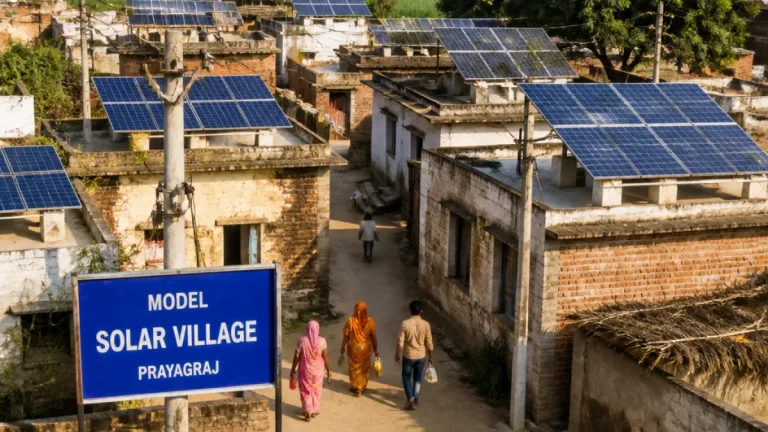
Despite uneven knowledge about causes, the update shows strong public backing for measures commonly proposed to address climate risks. The majority of respondents across the country consider global warming personally important and express support for renewable energy and education about global warming.
These patterns carry practical implications for communication and policy. Regions with lower understanding of anthropogenic causes may require targeted awareness and education campaigns to improve climate literacy and inform public support for mitigation measures. Likewise, areas reporting greater personal exposure to heat and other extreme events may prioritise adaptation planning, heatwave response and resilient infrastructure.
"This update incorporates new nationally representative survey data through 2026, collected by our partners at CVoter," the Yale Climate Communication project said in its announcement.
Policymakers, state governments and climate communicators can use the district-level maps to tailor interventions, identify information gaps and align renewable energy and adaptation programmes with local perceptions and needs, the update suggests. The dataset provides a granular public-opinion baseline ahead of policy discussions on mitigation, adaptation and climate education.
The India Climate Opinion Maps update adds to the evidence that while concern about warming is widespread, achieving informed public engagement will require continued investment in education, locally relevant messaging and measures that link experience of climate impacts to both causes and practical responses.