State capital to receive focused handholding for waste, used‑water and sanitation systems
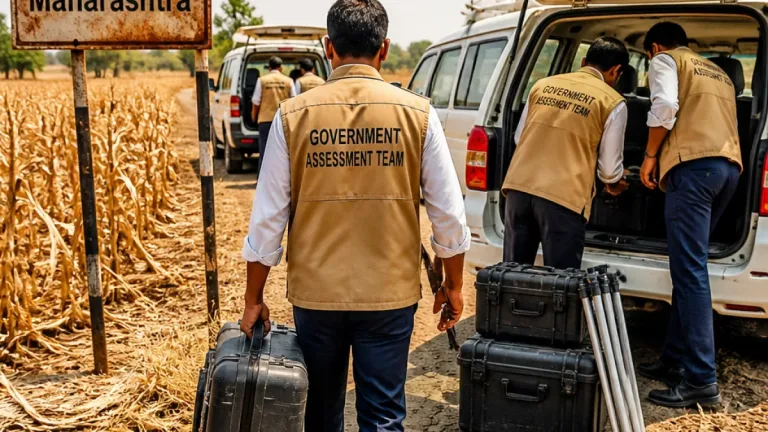
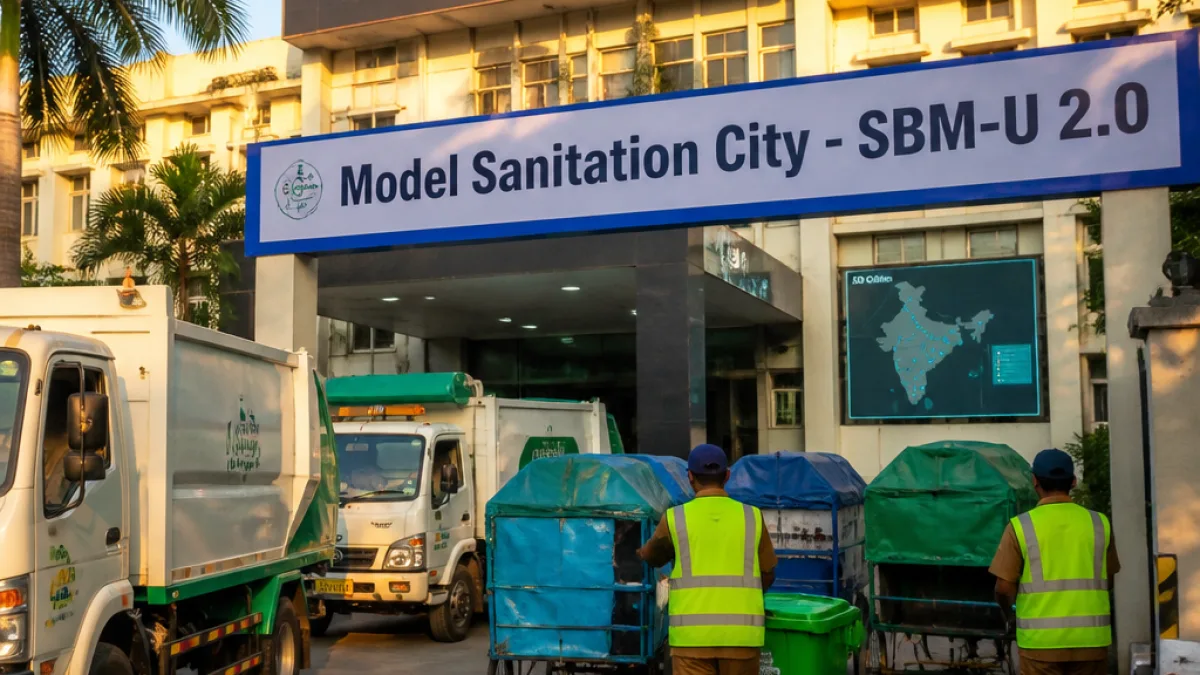
Bhubaneswar and Puri have been selected as two of 50 cities across 24 States and Union Territories to be developed as Model Sanitation Cities under the Union Government’s Swachh Bharat Mission‑Urban 2.0 (SBM‑U 2.0). The initiative aims at focused monitoring, structured handholding and accelerated implementation of interventions in solid waste management, used‑water management, sanitation and citizen participation.
The virtual national launch of the PRAGATI 50 initiative was chaired by Union Housing and Urban Affairs Minister Manohar Lal Khattar. During the programme, Odisha’s Housing & Urban Development Minister Dr. Krushna Chandra Mahapatra and Additional Chief Secretary Usha Padhee took part in the interaction with the Ministry, signalling the State Government’s intent to work closely with the Ministry of Housing & Urban Affairs (MoHUA) and the concerned urban local bodies to implement prescribed guidelines and standard operating procedures.
State officials outlined existing waste‑to‑value measures already under way in the region. These include plans and support for Compressed Bio‑Gas (CBG) plants in Bhubaneswar, Cuttack and Puri, and waste‑to‑charcoal initiatives proposed in Bhubaneswar and Cuttack. The support for CBG projects has been indicated as coming through Oil India’s corporate social responsibility (CSR) contributions, according to the state delegation’s account at the virtual meeting.
- Objective: Turn 50 selected cities into models for sanitation and waste management practice.
- Scope: Solid waste management, used‑water management, overall cleanliness and strengthened citizen participation.
- Implementation: Coordinated action by MoHUA, State Housing & Urban Development Department, and Urban Local Bodies (ULBs) including Bhubaneswar Municipal Corporation (BMC).
Selection of the State capital and Puri — a major cultural and pilgrimage centre — is expected to help showcase scalable models of sanitation and waste management for other urban centres, the state side said at the meeting.
The designation as a Model Sanitation City brings with it intensified monitoring and handholding to expedite interventions. For Bhubaneswar residents, the immediate implications are likely to be:
| Area | Likely focus |
|---|---|
| Solid waste | Improved segregation, collection, processing and waste‑to‑value projects such as CBG and charcoal production |
| Used‑water management | Upgrades to used‑water capture, treatment and safe disposal or reuse |
| Sanitation & cleanliness | Public toilet maintenance, community awareness and cleanliness drives |
| Citizen participation | Engagement with resident groups, ward committees and volunteers |
Officials said the Housing & Urban Development Department, working with Bhubaneswar Municipal Corporation, Puri Municipal Corporation and SBM‑U teams, will undertake focused interventions and monitor progress against defined key performance indicators. The selected 50 cities are intended to serve as models of good practice that other urban centres can emulate.
For residents, the practical outcomes to watch for over the coming months include better doorstep collection and segregation schemes, more visible movement on decentralised processing facilities, and pilot projects converting organics into CBG or charcoal under public‑private partnerships and CSR support.
Citizens can prepare to participate by continuing household segregation of waste, using municipal collection services correctly, and engaging with ward offices or resident welfare associations to track implementation. Such participation will be important to ensure schemes are sustained beyond the initial handholding phase.
While the announcement sets a policy direction, execution will depend on the coordination among the State H&UD Department, the Bhubaneswar Municipal Corporation and the Ministry teams, and on timely release and utilisation of funds and technical support. Observers note that clear timelines and public dashboards for monitoring progress will be essential to translate the Model Sanitation City tag into measurable improvements in on‑ground services.
The selection places added focus on Bhubaneswar’s role as a State capital and urban centre, and on Puri’s status as a major cultural and religious destination that draws large visitor numbers. State authorities have committed to implement PRAGATI 50 in accordance with MoHUA guidelines and SOPs, and to coordinate with the designated urban local bodies for accelerated delivery.