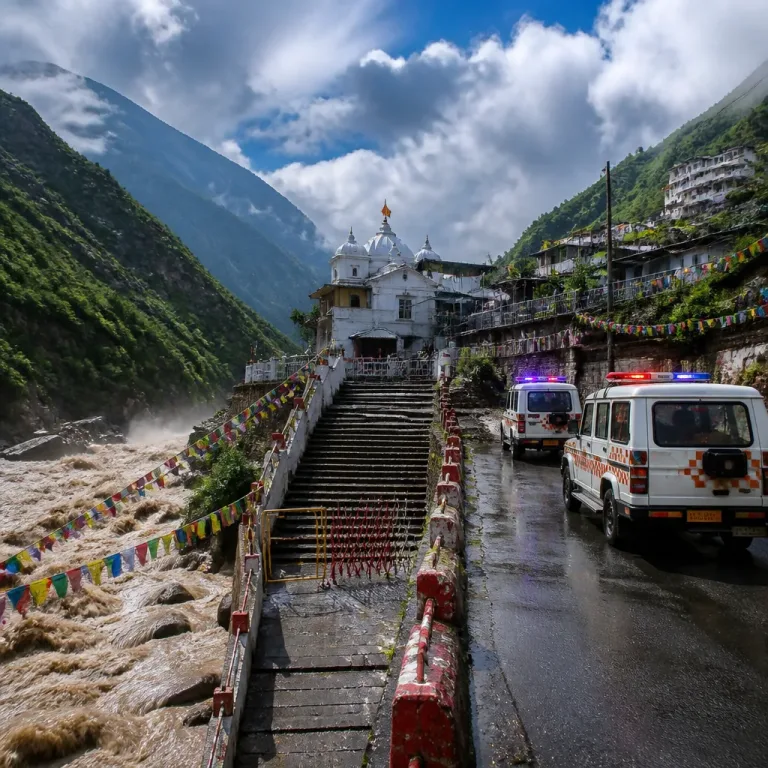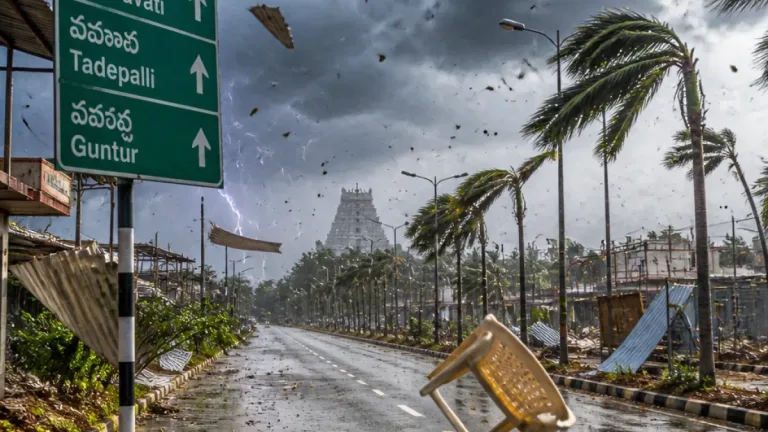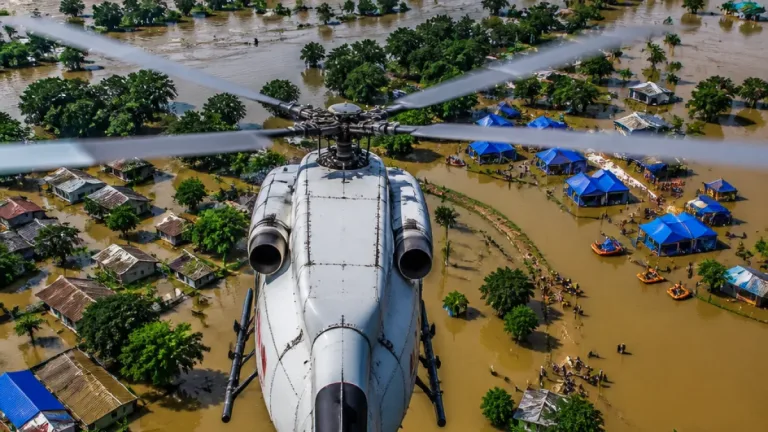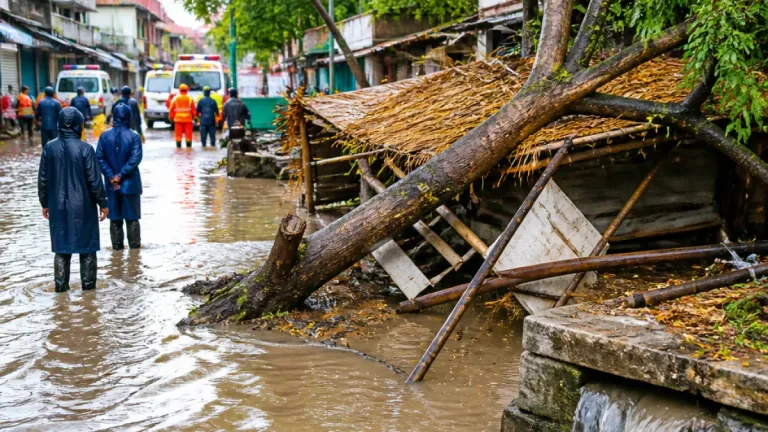
Bhubaneswar, Aug 27: Flooding has affected large swathes of Odisha this monsoon, with the office of the Special Relief Commissioner (SRC) reporting that about 76,000 people remain impacted by inundation in three northern and coastal districts even as major rivers flow below their danger marks.
Current situation and relief operations
The SRC said the second spell of floods since August 13 has so far affected 13,50,306 people across 1,895 villages. Relief operations are being carried out round the clock, with immediate priorities including reaching marooned villages and ensuring the supply of cooked food and safe drinking water.
According to the SRC, 187 villages in Kendrapara, Bhadrak and Jajpur districts remain under deluge. Earlier in the current episode, 4.94 lakh people had been accommodated in 989 shelters when flood impact extended to 10 districts.
Weather outlook: IMD warning
The India Meteorological Department (IMD) has issued forecasts of heavy rainfall in Odisha until September 2, and has flagged a likely formation of a low-pressure area over the northwest Bay of Bengal around August 29.
“The prevailing weather system indicates the possibility of heavy rainfall across Odisha from August 27 to September 2,”
The IMD has also advised fisherfolk not to venture into the sea along and off the West Bengal and north Odisha coasts from August 30 to September 1.
Districts under predicted heavy rainfall
For the immediate period, heavy rainfall is expected in several districts across northern, coastal and interior Odisha. The IMD named Balasore, Mayurbhanj, Bhadrak, Jajpur and Kendrapara among coastal/northern districts likely to see heavy showers, and listed Sundargarh, Deogarh, Angul, Dhenkanal, Keonjhar, Nuapada, Kalahandi, Rayagada, Koraput and Gajapati for possible heavy rainfall till Friday morning.
| Parameter | Reported figure |
|---|---|
| People affected in current spell | 13,50,306 |
| Villages affected | 1,895 |
| People in shelters (earlier) | 4.94 lakh in 989 shelters |
| Villages still inundated (3 districts) | 187 (Kendrapara, Bhadrak, Jajpur) |
| People currently suffering inundation (3 districts) | ~76,000 |
Where operations are focused
The SRC reported that relief and restoration work is being carried out on a war footing with monitoring round the clock. Teams are prioritising:
- Reaching marooned villages by boats and other means wherever road access is cut.
- Distribution of cooked food and potable water to affected populations.
- Maintaining and managing temporary shelters for displaced people.
Officials said many places have seen improvement as river water levels have receded and are flowing well below danger marks, but the forecast of further heavy rainfall heightens the risk of renewed inundation.
Practical precautions for residents
With rain predicted to persist, residents and local authorities should maintain standard flood preparedness measures. Practical steps include keeping essential documents and medicines in waterproof pouches, moving to higher ground if advised by authorities, avoiding walking or driving through moving floodwater, and following official instructions about evacuation and shelter locations.
Fisherfolk and small-boat operators must heed the IMD advisory and avoid venturing into the sea along and off the West Bengal and north Odisha coasts between August 30 and September 1. Local administrations should ensure warning dissemination through gram panchayats, community centres and public address systems.
Background
Odisha has already experienced two rounds of flooding this monsoon. The northern districts of Balasore, Bhadrak, Mayurbhanj and Keonjhar, along with coastal Kendrapara and Jajpur, were listed by the SRC as having been hit in both rounds.
Relief agencies and district administrations remain on alert for further developments from the Bay of Bengal system and are coordinating to scale up rescue and relief if conditions deteriorate.
Given the evolving weather system and the numbers still affected, authorities and residents are advised to stay alert to official updates and take preparedness measures promptly.