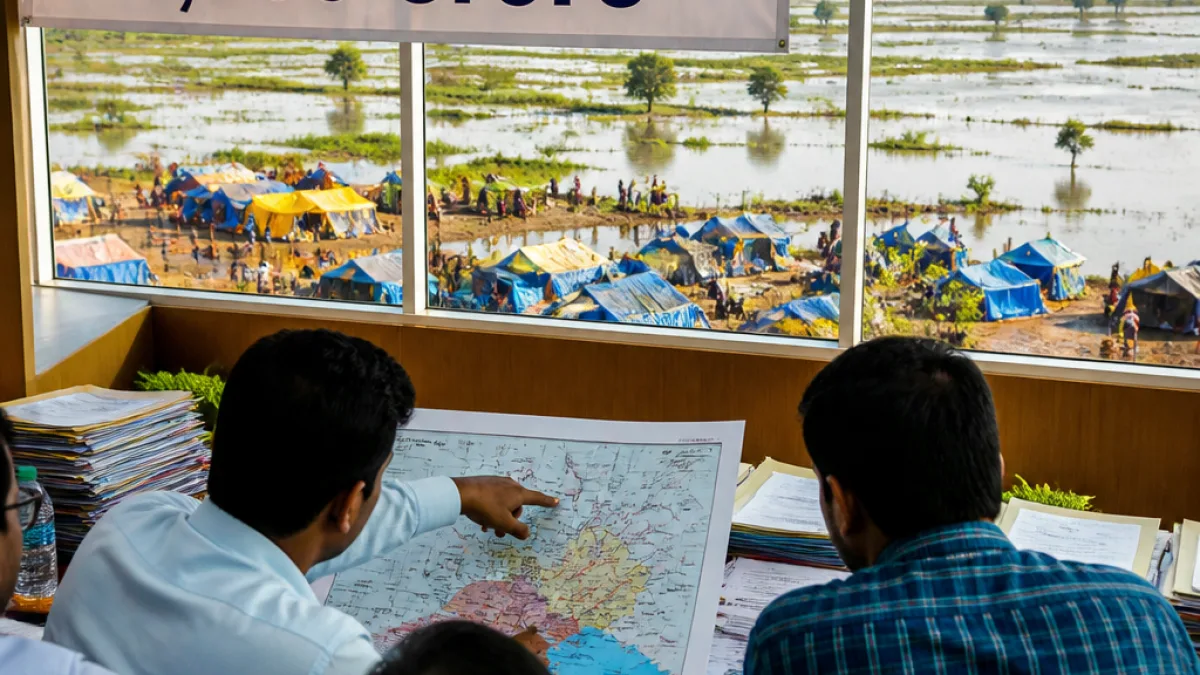
Odisha Chief Minister Mohan Charan Majhi on Tuesday announced a special ₹1,000 crore flood relief package for those affected by the ongoing deluge, with a clear emphasis on supporting farmers and repairing damaged infrastructure. The package is based on a preliminary assessment and may be raised after a detailed damage evaluation, the Chief Minister said while chairing a high-level meeting at Lok Seva Bhawan.
Extent of the crisis and immediate government response
Majhi underlined that lack of funds would not impede restoration of normal life in flood-hit areas. He noted that Odisha had recorded more than 1,100 mm of rainfall between June and August — about 34% above normal and the highest in 25 years. The state government has already mobilised relief and rescue teams and set up relief camps in affected areas.
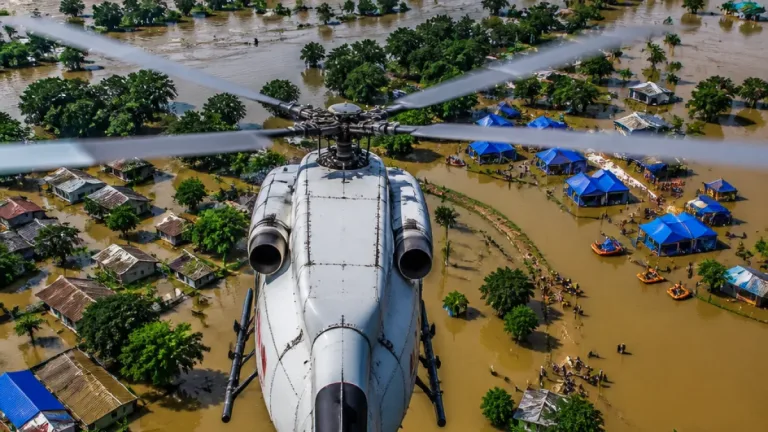
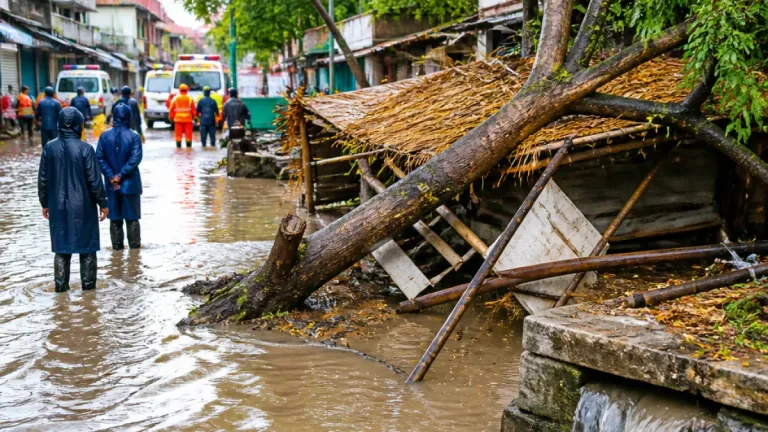
According to the administration's preliminary figures, floods have impacted 9.40 lakh people across 1,381 villages in 74 blocks. Over 3.70 lakh people have been shifted to safer locations and around 550 relief camps are providing cooked food. Relief and rescue operations involve 45 ODRAF teams, 8 NDRF contingents and 65 Fire Service teams.
Key elements of the Chief Minister's 10-point relief package
The package announced by the Chief Minister lays out direct financial support and rehabilitation measures, prioritising agricultural recovery and immediate needs of affected families. Key measures include:
- Agricultural input subsidy for farmers with significant crop losses;
- Seed assistance delivered through Direct Benefit Transfer (DBT) to purchase paddy and non-paddy seeds, including pulses;
- Free vegetable mini-kits and subsidised pest and disease management after the floods;
- Urgent repairs to damaged lift irrigation points to restore irrigation operations;
- Compensation and assistance for livestock losses and damage to fishing boats.
The announced per-hectare assistance for farmers with at least 33% crop loss is as follows:
| Type of land / crop | Assistance (per hectare) |
|---|---|
| Non-irrigated land | ₹8,500 |
| Irrigated land | ₹17,000 |
| Perennial crops | ₹22,500 |
"Lack of funds would not come in the way of restoring normalcy in flood-hit areas," the Chief Minister said at the meeting.
Field inspection and ground realities
Majhi visited severely affected pockets in Jajpur and Bhadrak, moving by road, boat and on foot to assess conditions. He inspected relief arrangements, checked cooked food quality at a relief centre in Jajpur and met with affected residents in Bhadrak. The government has identified Baleshwar, Mayurbhanj, Kendujhar, Kendrapara, Jajpur and Bhadrak among the districts worst hit by the floods.
What the package means for farmers and households
The combination of direct per-hectare assistance, seed DBT and subsidised pest management is intended to help farmers replant and protect standing crops where possible, and to restart the rabi/next season sowing. Free vegetable mini-kits aim to meet household nutrition needs and provide quick-yield crops for displaced families. Repairing lift irrigation points is expected to be prioritised to restore irrigation-dependent cultivation quickly.
Practical guidance for residents in affected areas
Authorities have stressed the importance of following official instructions from the district administration and relief agencies. Practical measures residents should follow include:
- Register with local relief camps and keep identity documents handy for DBT and claims;
- Store and preserve seeds and input vouchers issued by authorities to make use of the seed assistance promptly;
- Avoid returning to inundated fields until water recedes and official surveys complete damage assessment;
- Follow hygiene, food-safety and mosquito-prevention steps in relief camps to reduce disease risk.
The Chief Minister indicated that the ₹1,000 crore allocation rests on a preliminary assessment, and promised a further review when detailed damage data from the districts becomes available. The state's priority remains immediate relief, agricultural recovery and rehabilitation of damaged infrastructure.
Relief operations and the roll-out of assistance will be coordinated by the state administration and district authorities. Further details on the implementation timeline for specific items of the package, and modalities for DBT and compensation disbursal, are expected when damage assessments are finalised.