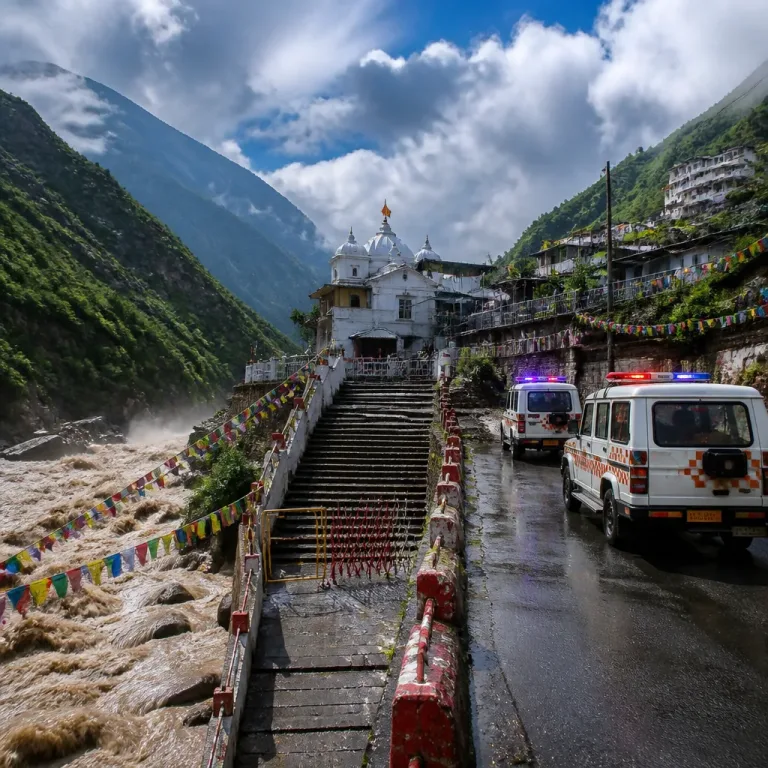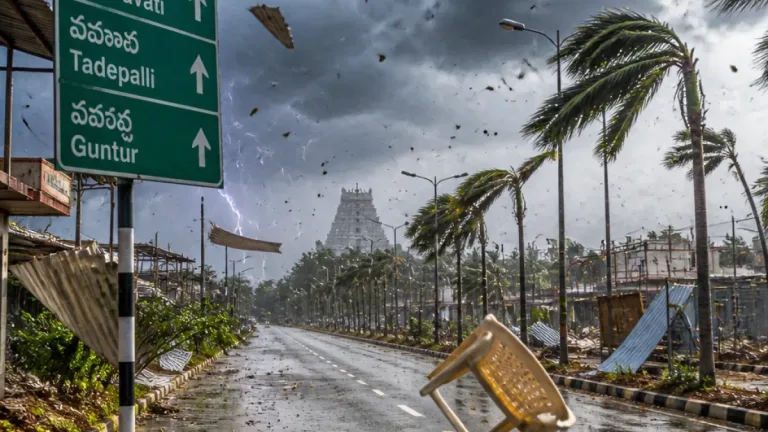

The flood situation in north Odisha remained critical on Monday as the low-pressure area over the Bay of Bengal intensified into a depression, prompting the India Meteorological Department (IMD) to issue a red warning and forecast further rain through August 18. Authorities said about five lakh people had been affected and more than 2.37 lakh were moved to safety and housed in nearly 300 relief camps.
Governance and response
The Chief Minister, Mohan Charan Majhi, was reported likely to carry out an on-the-spot assessment in the worst-hit districts of Bhadrak and Jajpur later in the day, according to an official communication from the Chief Minister's Office. The State government cancelled leave for employees and ordered closure of schools and educational institutions for the day in view of the inclement weather.
IMD advisory and system track
The IMD national bulletin at 5.30 am said the well-marked low-pressure area over the northwest Bay of Bengal and adjoining West Bengal–north Odisha coasts had moved northwest and concentrated into a depression. The bulletin gave the system's position and forecasted its further movement.
"The system at 5.30 am lay over coastal West Bengal and adjoining areas of Bangladesh and northwest at about 80 km west-southwest of Satkhira (Bangladesh), 160 km southeast of Bankura (West Bengal), and 180 km northeast of Balasore [Odisha]."
The IMD warned that the depression was very likely to move northwestwards towards Jharkhand across Gangetic West Bengal in the next 24 hours. It also cautioned fishermen and advised them not to venture into the sea in the North Bay of Bengal and along the coasts of West Bengal, Bangladesh, Odisha and north Andhra Pradesh until August 18, saying the sea condition is likely to be very rough.
Human impact and immediate hazards
Officials reported that more than 2.37 lakh people had been evacuated and sheltered in relief camps located on river embankments and in school buildings. The floods have disrupted transport and damaged infrastructure in several places; a newly constructed stretch of NH-53 caved in due to heavy rains and a truck overturned in a ditch in Kendrapara district, officials said.
- People affected: ~5,00,000
- Evacuated and sheltered: 2,37,000+
- Relief camps: Nearly 300
- Worse-hit districts: Bhadrak, Jajpur
- IMD advisory: Red warning; fishermen warned until Aug 18
Local preparedness and precautionary steps
State authorities have mobilised relief operations on river embankments and at schools used as shelters. With the IMD cautioning of further heavy to extremely heavy rainfall, residents in low-lying and riverside habitations are urged to remain in the relief camps until authorities declare it safe to return. The government has asked employees to remain available for emergency duty.
Practical steps residents should follow while the depression influences the coast:
- Follow official evacuation orders and move to designated relief centres on time.
- Keep essential documents, medicines, drinking water and a torch handy in a waterproof bag.
- Avoid travel on flooded roads; do not attempt to cross swollen rivers or culverts.
- Fishermen must not venture into the North Bay and coastal waters until the IMD rescinds its advisory.
- Maintain social distancing and wear masks in crowded relief camps where required.
Infrastructure and immediate concerns
Road failures and overtopping of embankments remain key concerns for emergency managers. The reported collapse of a portion of NH-53 at Kendrapara, which left a truck overturned, highlights the vulnerability of newly constructed stretches to extreme rain events. Repair work and traffic diversion plans were being arranged by district authorities.
| Parameter | Reported figure |
|---|---|
| People affected | 5,00,000 |
| People evacuated | 2,37,000+ |
| Relief camps | ~300 |
Outlook
With a depression in place and the IMD issuing a red warning for very heavy to extremely heavy rain, the flood situation is expected to remain volatile through August 18. Residents along rivers and coastal areas should keep abreast of updates from the IMD and district administrations and adhere to advisories. The State government's suspension of leave for staff aims to maintain emergency response capabilities while the Chief Minister's planned visits to Bhadrak and Jajpur signal high-level oversight of relief efforts.
Authorities will continue to monitor the system's movement and issue timely warnings. For now, the priority remains life-saving evacuations, maintenance of relief shelters and securing transport and communications links across the affected area.