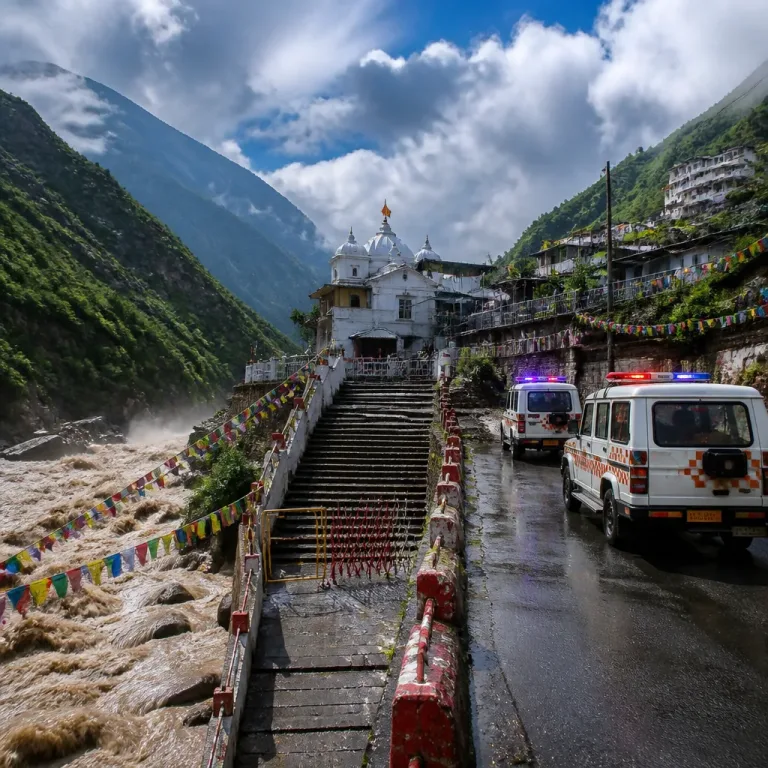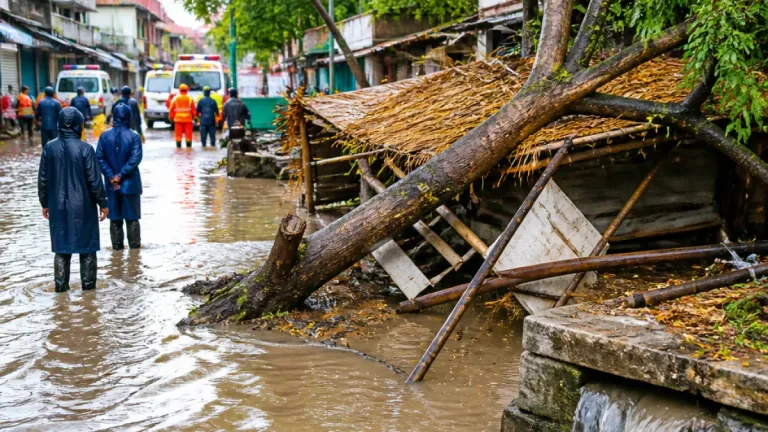
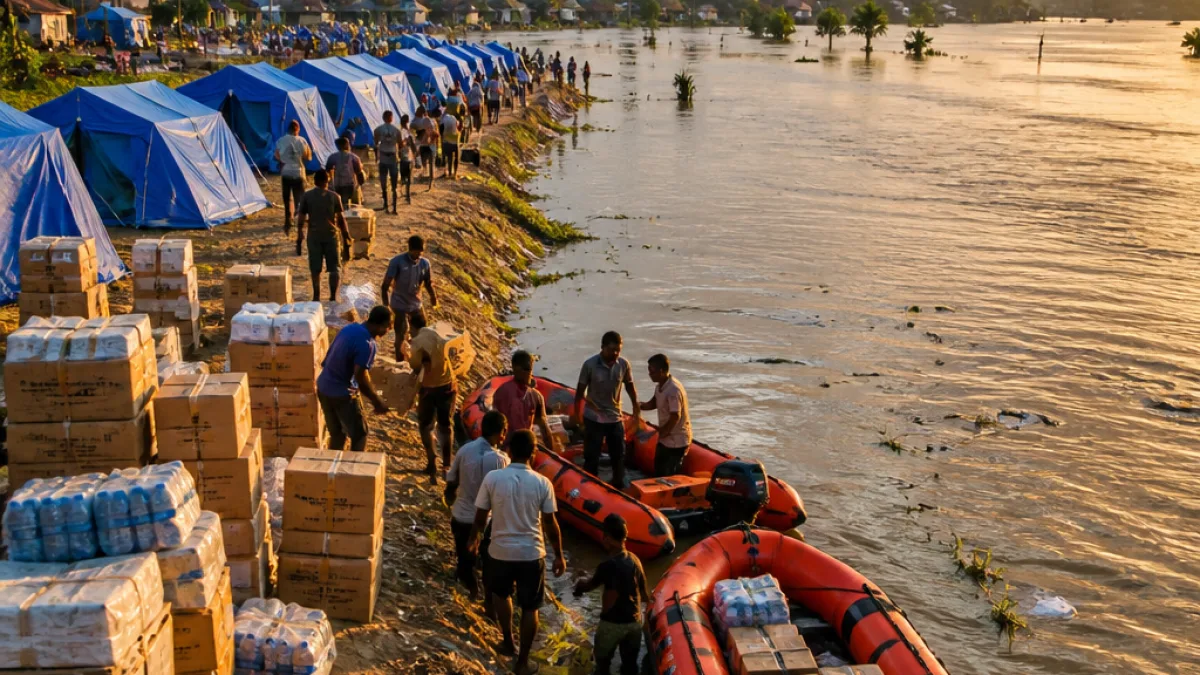
BHUBANESWAR: Heavy monsoon rains associated with a depression have left large parts of northern Odisha reeling, with the state government moving more than 95,206 people from low-lying areas to safer locations as floodwaters swamped villages and towns over the past 24 hours, officials said on Saturday.
Scale of impact and locations
The State Emergency Operation Centre (SEOC) reported that approximately 2.70 lakh people in 503 villages across 52 blocks of six districts — Balasore, Bhadrak, Jajpur, Mayurbhanj, Keonjhar and Kendrapara — have been affected by flooding. Rivers cited in the official update as causing inundation include the Baitarani, Brahmani, Jalaka and Budhabalanga and their tributaries.
In Balasore, concerns grew as the Subarnarekha also rose, compounding high water levels from the Jalaka and Budhabalanga. Though authorities said some rivers have begun to recede, several remain close to danger marks while rainfall persists in northern Odisha.
Relief, rescue and special arrangements
Disaster Management Minister Suresh Pujari said the administration has shifted people to 226 relief camps where arrangements for cooked food, potable water, sanitation, lighting and medical care have been put in place. He noted that special facilities have been arranged for children, pregnant women, the elderly and persons with disabilities.
“Free kitchens are operating in affected areas, while dry food and other essential relief materials are being supplied as required,”
The state has deployed 118 response teams for rescue, relief and emergency operations across affected districts, with additional teams kept on standby. The SEOC said the situation is being closely monitored in coordination with District Emergency Operation Centres (DEOCs), with particular attention on Mayurbhanj, Balasore, Bhadrak, Jajpur and Keonjhar.
Current river status
Officials emphasised continuous monitoring of river gauges and precautionary measures at vulnerable locations. The SEOC update highlighted multi-river flooding as the immediate threat: the Baitarani, Brahmani, Jalaka and Budhabalanga systems are driving much of the inundation across the six districts.
| Parameter | Figure / Detail |
|---|---|
| People affected | 2.70 lakh |
| People relocated | 95,206 |
| Relief camps | 226 |
| Response teams deployed | 118 |
| Districts affected | Balasore, Bhadrak, Jajpur, Mayurbhanj, Keonjhar, Kendrapara |
What authorities say and next steps
The Disaster Management Department said rescue and relief operations have been intensified as rain continues. The administration has kept additional teams on standby to be deployed as required. Water levels are being tracked continuously and precautionary actions are being taken at identified vulnerable points.
Practical guidance for residents
- Follow local administration and DEOC instructions for evacuation; move to designated relief camps if asked.
- Carry essential documents, medicines, baby food and immediate necessities in a waterproof bag.
- Avoid standing or flowing floodwater — it may be contaminated or conceal hazards; do not drive through submerged roads.
- Keep mobile devices charged and maintain contact numbers for local authorities and helplines; use battery-operated lighting if electricity is disrupted.
- Observe hygiene measures at relief camps to reduce disease risk; use provided sanitation and safe drinking water facilities.
With rains continuing in northern Odisha, the state government and district administrations remain on high alert. The SEOC update underlined that while some river levels have begun to fall, the situation remains precarious and requires sustained monitoring and community cooperation.
Residents in flood-prone areas are advised to keep abreast of official advisories and move to safer locations promptly if instructed. Relief operations, including free kitchens and the distribution of dry food and essential materials, are ongoing in affected zones.
(Reporting based on an SEOC update and statements by the Disaster Management Department and Minister Suresh Pujari)