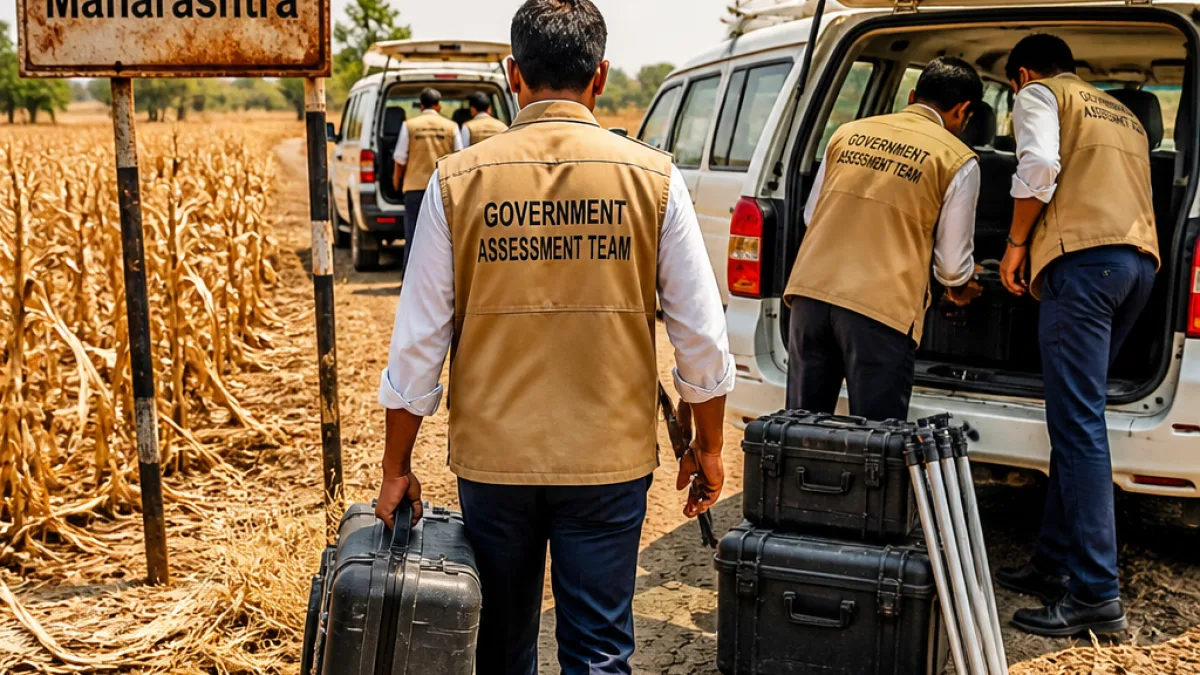
Mumbai, 28 September 2026: The Centre will dispatch teams to assess drought conditions in Maharashtra and Karnataka, Union Agriculture Minister Shivraj Singh Chouhan said on Monday as he chaired a two-day national conference on preparedness for the upcoming rabi (winter) season.
Central assessment, state concern
Mr Chouhan said a central team would be sent to Karnataka on October 3 and that he had spoken with the Chief Minister of Maharashtra, adding that a central team would also be sent to the State. He said he and his team would “personally visit the States facing this crisis.” The remarks were made while reviewing kharif-season outcomes and setting priorities for the rabi campaign.
The Minister noted that Karnataka has already declared a drought, while Maharashtra has declared drought across roughly two-thirds of the State, and warned that Maharashtra, Karnataka, Telangana and Andhra Pradesh face a looming drought crisis.
"We will send a central team to Karnataka on October 3 to assess the drought situation. I have spoken with the Chief Minister of Maharashtra, who is concerned as well, and we will send a central team there too. I, along with my team, will personally visit the States facing this crisis," Mr Chouhan said.
Crop impact and climate signals
Addressing officials, the Minister said the effects of climate change were “clearly visible”, pointing to uneven kharif outcomes across the country. He told the conference that while crops in many places remained good, several regions were under threat from drought and water scarcity. He urged State officials — including those from Maharashtra and Karnataka — to focus on risks to kharif crops and to prepare jointly for rabi sowing.
Mr Chouhan also highlighted shifting weather patterns. He observed that the season that normally brings intense heat had this year seen unusual cold, and he referred to reports of deaths in Uttar Pradesh caused by unseasonal rain. He noted earlier concerns about the impact of El Niño but commended officials for their work during the kharif season.
What the central teams are likely to do
- Assess groundwater levels and surface-water availability in drought-declared districts.
- Review crop damage and forecast rabi sowing prospects in affected areas.
- Coordinate with State administrations on relief measures and possible central assistance.
Officials at the national conference were urged to prepare contingency plans that link kharif and rabi seasons, Mr Chouhan said, stressing that tackling the present challenges required coordinated action across Ministries and State governments.
Local implications for Maharashtra
Maharashtra officials have already declared drought in large parts of the State; central assessment teams could accelerate decisions on relief packages, water-management interventions and targeted agricultural support. The State's large agrarian population is vulnerable to rainfall deficits and delayed water releases from reservoirs, and a formal central review typically precedes additional central assistance and technical inputs.
Farmers and district administrations in drought-affected divisions will be watching the timing and findings of the central teams closely, since those assessments influence seed and input supply for rabi crops, compensation for damaged kharif crops, and arrangements such as fodder distribution and tanker support.
Conference focus on rabi preparedness
The two-day conference called for an integrated approach between agriculture, irrigation and disaster management departments, with an emphasis on safeguarding rabi sowing while addressing lingering kharif losses. Mr Chouhan said: "We must tackle this challenge together while also preparing for the rabi season."
| State | Situation (as stated by Minister) |
|---|---|
| Karnataka | Drought declared; central team to visit on 3 October |
| Maharashtra | Drought declared across roughly two-thirds; central team to be sent |
| Telangana, Andhra Pradesh | At risk of looming drought crisis |
Officials in Maharashtra and district administrations have not been quoted directly in the Minister's remarks, but his statement signals heightened central engagement. The assessments are expected to be technical and fact-finding in nature, informing follow-up actions by both the Centre and the State.
As Maharashtra prepares for rabi sowing, the outcome of the central teams' visits will be closely monitored by farmers' groups, irrigation departments and local administrations across drought-affected talukas from Marathwada to Vidarbha and other regions.
Sameer Joshi
AI Maharashtra Correspondent