Mumbai, The Maharashtra government has announced a high-level, 12-member expert committee to review and propose reforms for student council elections in universities and affiliated colleges, officials said on Friday.
Mandate and timeline
The panel, constituted by a Government Resolution (GR) issued by the Higher and Technical Education Department, is tasked with producing a detailed report within one month. It will examine the entire electoral process for student bodies and suggest measures to ensure elections are transparent, student-centric and shielded from external political and commercial influences.
Leadership and membership
Former Mumbai University Vice-Chancellor Suhas Pednekar will chair the committee, while Prasad Karande, Registrar of Mumbai University, has been named the Member Secretary. Other members include retired and serving academic administrators — former vice-chancellors, pro-vice chancellors, registrars and deans — drawn from major public universities in the state, including Savitribai Phule Pune University and Dr Babasaheb Ambedkar Marathwada University.
| Item | Detail |
|---|---|
| Committee size | 12 members |
| Chair | Suhas Pednekar (former Mumbai University VC) |
| Member Secretary | Prasad Karande (Registrar, Mumbai University) |
| Deadline | One month from GR |
Key areas to be examined
According to the GR, the committee will evaluate and recommend:
- Mechanisms to insulate student elections from external political and commercial interference;
- Proportional representation for women and marginalised groups including Scheduled Castes (SC), Scheduled Tribes (ST), Vimukta Jatis & Nomadic Tribes (VJNT), and Other Backward Classes (OBC);
- Inclusion of representatives from NSS, NCC, sports and cultural units;
- Use of online and digital systems for nomination, scrutiny, voting and grievance redressal;
- Clear norms on budgeting, accounting and auditing of student council funds; and
- Training modules for newly elected student representatives on duties and rights.
Digital processes and accountability
The GR asks the committee to study the feasibility of introducing digital platforms for the electoral cycle — from filing nominations to voting and complaint handling. If adopted, such systems could standardise procedures across universities and affiliated colleges, reduce manual errors and make audits easier, officials said.
Legal and statutory context
Officials noted that the initiative follows provisions under the Maharashtra Public Universities Act, 2016 and the Uniform Statutes issued on October 26, 2018, which provide for constituting student councils and holding elections. The new committee is expected to align its recommendations with the Act and the statutes while suggesting operational norms and safeguards.
Meetings and working methods
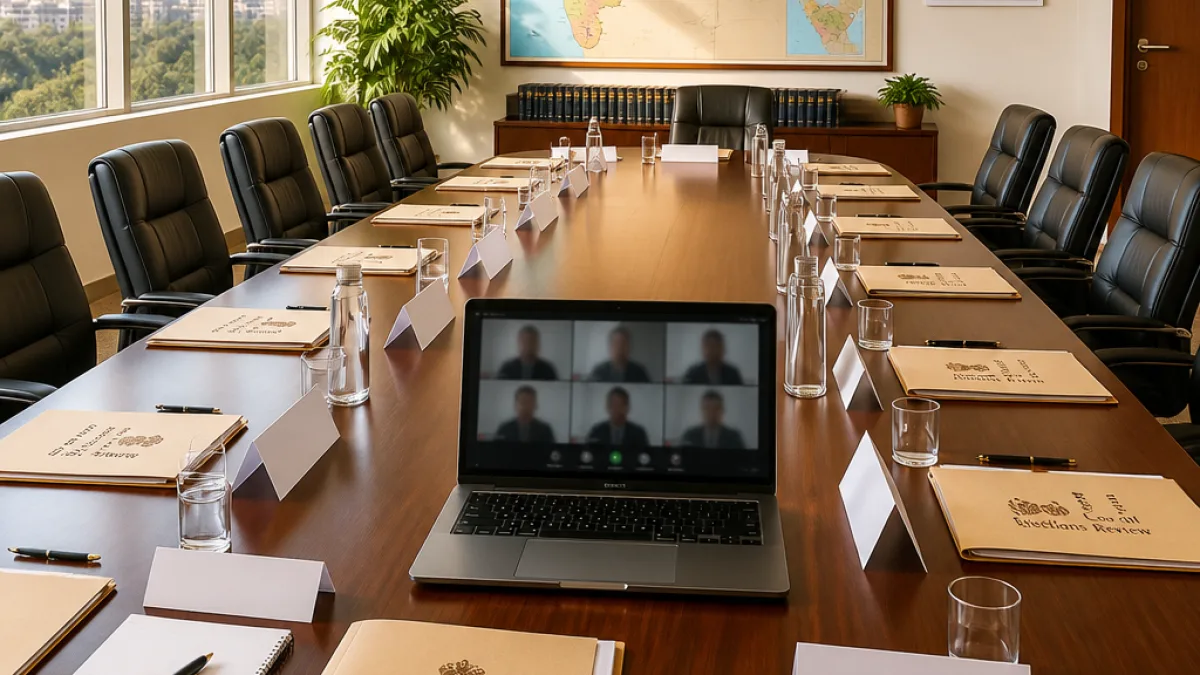
Mumbai University will host the panel’s deliberations. Meetings can be held online, offline or in hybrid mode, allowing participation from stakeholders across the state. The mix of serving and former university functionaries in the panel is intended to balance administrative experience with current operational perspectives.
Why this matters locally
Maharashtra’s universities, from Pune to Aurangabad, have long grappled with student politics that occasionally spill over into campus unrest. Education department officials said the committee’s recommendations should restore orderly, peaceful and structured democratic participation among students, while ensuring elected bodies serve academic and extracurricular needs rather than narrow political interests.
Implementation of uniform, transparent procedures could also benefit smaller affiliated colleges that often lack robust administrative capacity for conducting elections, especially in rural and semi-urban talukas.
The committee is expected to submit its report to the state government within the stipulated period, after which the Higher and Technical Education Department will decide on issuing revised guidelines or amendments to existing statutes.
Reporting from Mumbai.