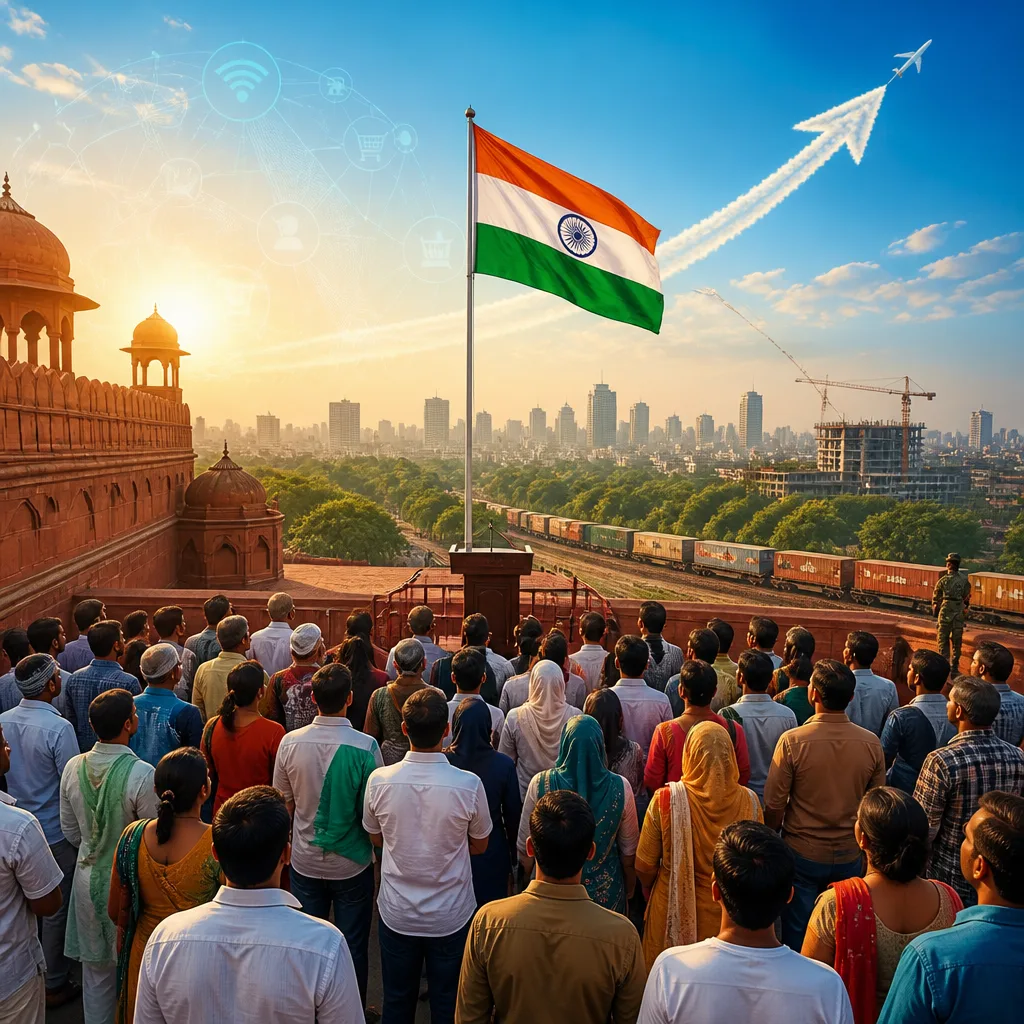
New Delhi, Aug 14: Prime Minister Narendra Modi on Saturday said India has moved on from being classified among the so‑called “Fragile Five” economies to become the world’s fastest‑growing major economy, crediting citizens across social groups for the transformation. He was speaking from the ramparts of the Red Fort on the occasion of the country’s 80th Independence Day.
Addressing the nation, the Prime Minister emphasised inclusive participation in the country’s recent development, asserting that people from diverse backgrounds — Dalits, tribals, rural and urban residents, the poor and middle class, youth, women and the elderly — had contributed through persistent effort over the past 12 years.
“Over the past 12 years, crores upon crores of citizens of this country… everyone over the past 12 years, with determination and dedication, has made every possible effort to take the country to new heights,” the Prime Minister said.
Poverty reduction and national ambitions
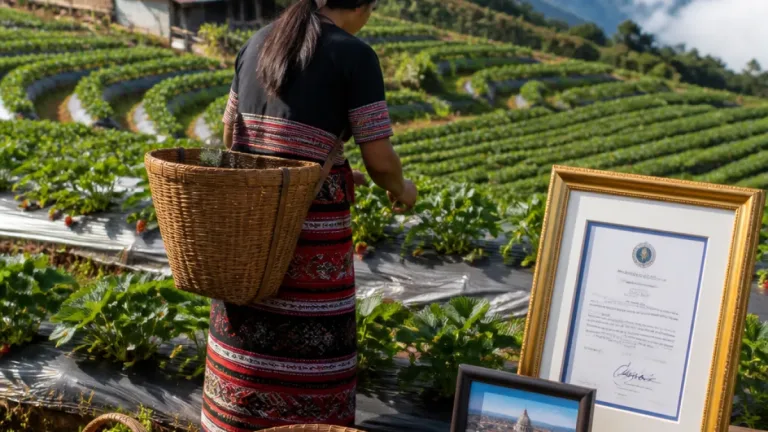
Modi said the sustained effort by citizens had led to 25 crore people moving out of poverty during the period, and paid tribute to their role in the change. He reiterated the Government’s long‑term ambition of elevating India to developed nation status by 2047, when the country will mark its centenary of independence.
The Prime Minister framed the economic turnaround as a shift in global perception. He recalled that India was once placed among the so‑called Fragile Five — a label that, he said, underestimated the country’s potential — and said India was now advancing “with unprecedented speed and confidence.” He added that no force could thwart the resolve of the nation’s population of 140 crore.
Sectoral gains highlighted
In his address, Modi pointed to concrete areas of progress, naming gains in:
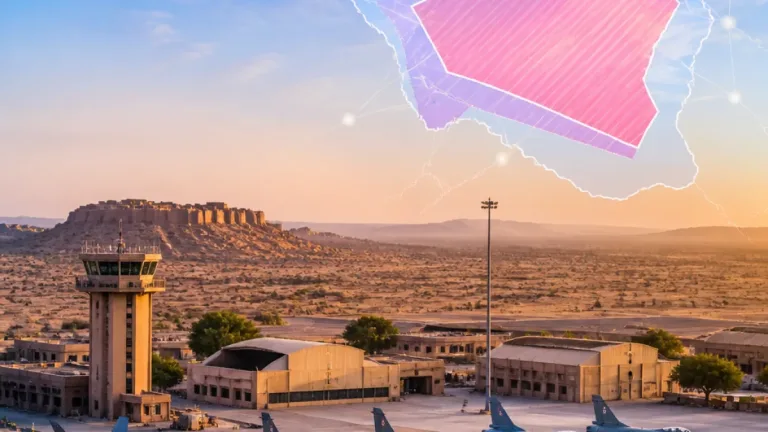
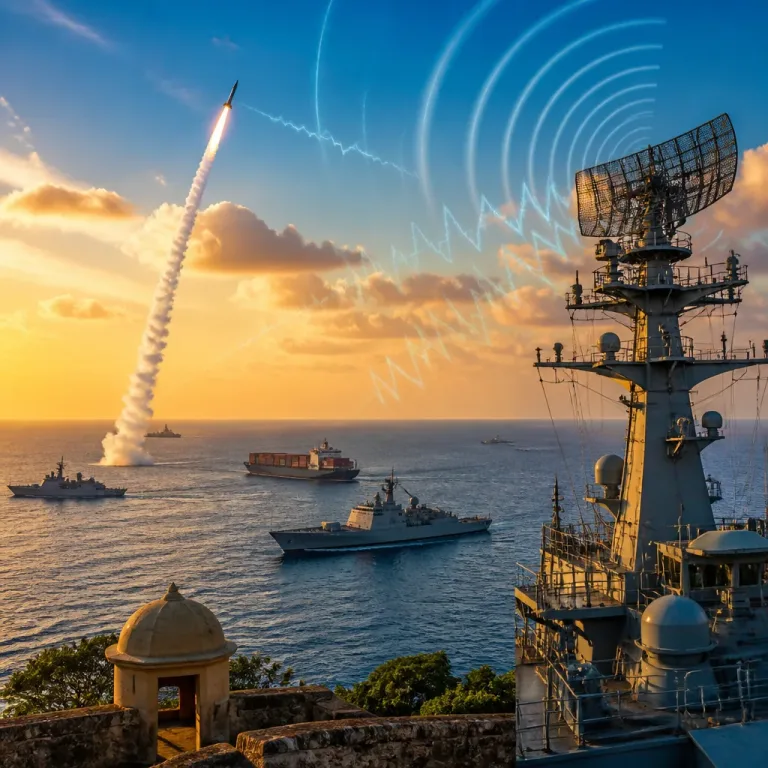
- Defence production
- Garment and electronics manufacturing
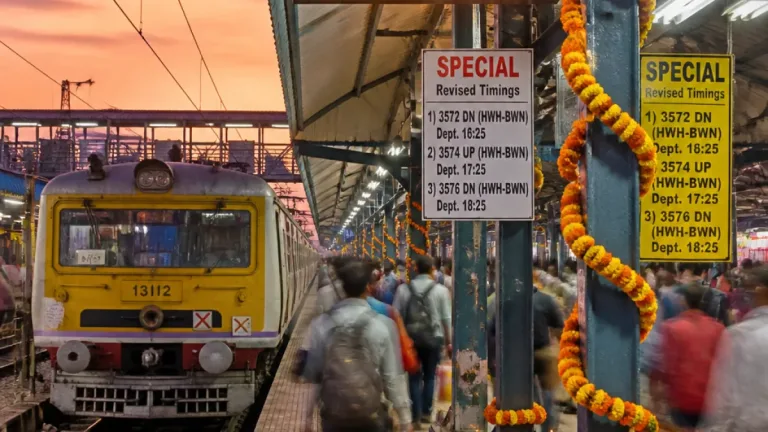
- Railways
- Digital and innovation sectors
He described these as illustrations of a broader shift in India’s economic profile and capacity to build domestic capabilities in strategic and employment‑intensive industries.
| Metric | Figure |
|---|---|
| Period highlighted | 12 years |
| People lifted out of poverty | 25 crore |
| Population referenced | 140 crore |
| Target: Developed nation | 2047 |
Context and implications
The Prime Minister’s remarks come at a time when India is seeking to consolidate a narrative of rapid economic expansion and strategic self‑reliance. Citing gains in manufacturing and defence production underlines policy priorities emphasised by the Government in recent years, including incentives for domestic manufacturing, efforts to scale up exports, and measures to attract global supply‑chain investment.
Framing the story as one of mass participation — highlighting contributions across regions and social groups — allows the Government to signal inclusive growth while reinforcing political capital tied to development claims. The assertion of leaving the ‘Fragile Five’ grouping and becoming the fastest‑growing major economy also carries diplomatic resonance, as it positions India more prominently in global economic conversations.
Observers note that such claims will be assessed against official macroeconomic data and independent international comparisons in the months ahead. The Government’s stated targets for 2047 set a long‑term benchmark for policy success, but achieving developed‑nation status will depend on sustained growth, structural reforms, job creation, and improvements in human development indicators.
On Saturday, the Prime Minister’s address combined celebration of national independence with a performance narrative of transformation, while reiterating policy goals that will continue to shape India’s domestic and international economic engagement over the coming decades.