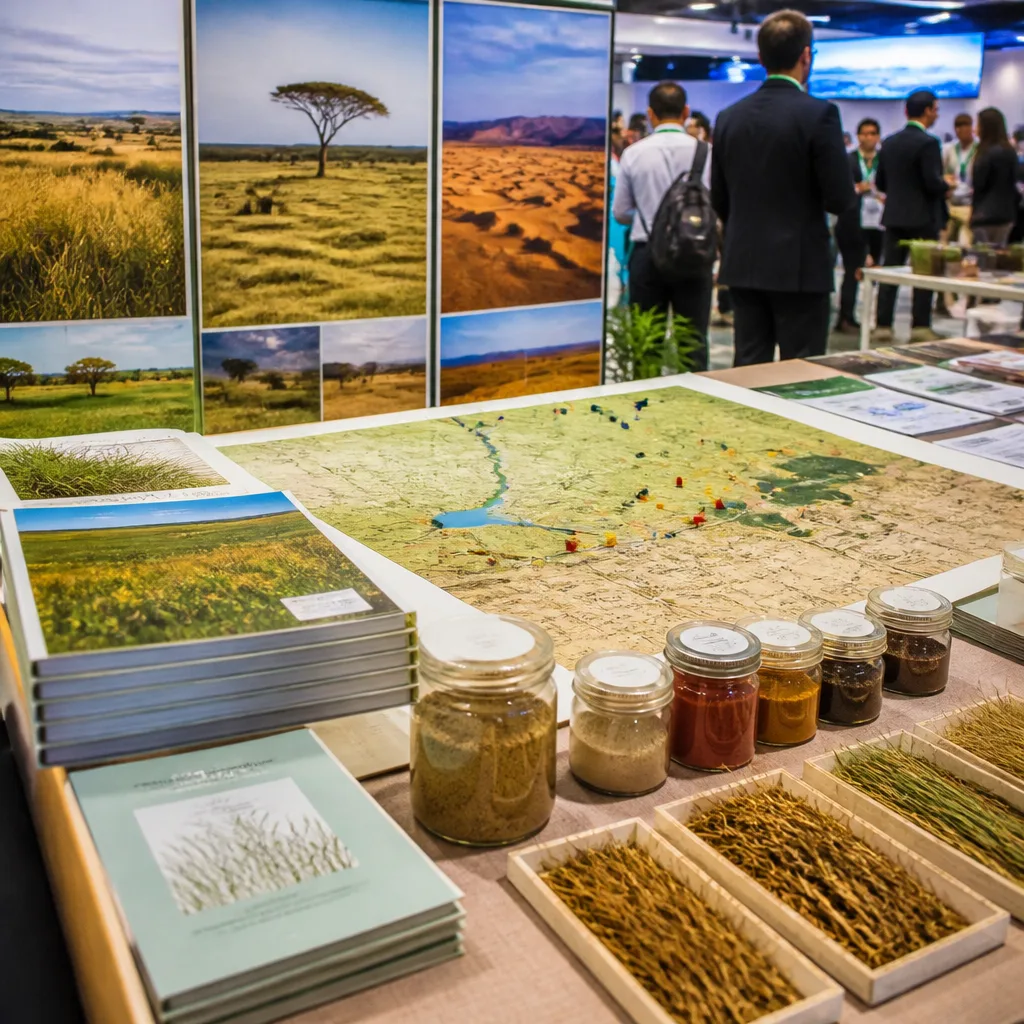
India launched its first-ever Guide to Grasslands and Other Open Natural Ecosystems (ONEs) at the 17th Session of the Conference of the Parties to the United Nations Convention to Combat Desertification (COP17) in Ulaanbaatar, Mongolia, officials reported on Monday. The document compiles information on the distribution, ecological traits, biodiversity and human associations of the country’s open landscapes.
Scope and significance
The Guide covers a wide variety of open ecosystems across India, including Himalayan and Terai grasslands, the Thar and Banni landscapes, Deccan savannas, rocky plateaus, ravines, scrublands, coastal open systems and desert environments, according to the announcement. It highlights the ecological value of these habitats, their role in soil and water processes, and their capacity to store carbon in soils, while noting their importance for pastoral and other communities.
Officials and experts associated with the launch emphasised that the initiative is intended to strengthen conservation, restoration and sustainable management of ONEs and to inform measures towards achieving India’s Land Degradation Neutrality (LDN) targets.
Policy and livelihoods
In a video message, Union Environment, Forest and Climate Change Minister Bhupender Yadav drew attention to the historical undervaluation of grasslands and similar open habitats because they often lack trees. He said:
“Grasslands, scrublands, and ravines have been undervalued due to the absence of trees, even though these ecosystems host unique species and support pastoral communities.”
He added that contemporary scientific evidence strengthens traditional knowledge that healthy grasslands underpin biodiversity, livelihoods and climate resilience, the statement said.
Scientific and planning priorities
Experts at the COP17 side event discussed gaps in knowledge and assessment. The Guide, the organisers said, aims to provide consolidated baseline information to support:
- Improved scientific understanding of the diversity and distribution of ONEs;
- Better assessments of land degradation affecting these systems;
- Comprehensive landscape-level planning for restoration and sustainable use.
The document, as presented, positions grasslands and other open ecosystems as integral to national biodiversity strategies and climate adaptation planning because of their ecosystem services and the livelihoods they sustain, particularly among pastoral communities.
Data presentation
While the Guide compiles descriptive and ecological information, the launch materials highlighted several functional roles of ONEs. A brief summary table from the presentation mapped ecosystem types to representative regions:
| Open Natural Ecosystem | Representative regions in India |
|---|---|
| Himalayan and Terai grasslands | Himalayan foothills, Terai belt |
| Thar and Banni landscapes | Western arid and semi-arid zones |
| Deccan savannas / rocky plateaus | Peninsular India |
| Scrublands, ravines, coastal open systems | Various regional pockets across the country |
The Guide was presented as a tool to inform planners, conservationists and local stakeholders. Organisers said it will assist in identifying priorities for restoration, monitoring land condition and designing policies that reconcile conservation with the livelihoods of communities dependent on open ecosystems.
Wider implications
By foregrounding ONEs, the Guide seeks to correct longstanding biases in land management that equate ecological value with tree cover. Placing grasslands, savannas and deserts into national planning frameworks may change restoration targets and funding priorities, and strengthen measures to measure soil carbon and degradation beyond forest metrics. The move also aligns with commitments under the UNCCD and national targets on land degradation neutrality.
Officials said the documentation and associated expert discussions at COP17 stressed the need for stronger data, improved degradation assessments and landscape-scale planning to ensure that restoration and management of ONEs advance both ecological objectives and the socio-economic resilience of dependent communities.