India’s large-scale tree-planting campaigns are under scrutiny after independent assessments and recent high-profile drives revealed unintended environmental and social impacts, prompting calls for a shift from simple tree-count targets to measures of ecosystem recovery and livelihood protection.
Planting records, mixed outcomes
On 27 June 2026, Bengaluru authorities attempted to set a Guinness World Record by planting 15 lakh saplings across 240 acres as part of a drive to create dense “oxygen parks” in an urban landscape already facing water stress. While such events attract public attention and political support, researchers and evaluators say the emphasis on numbers and green cover can mask deeper problems.
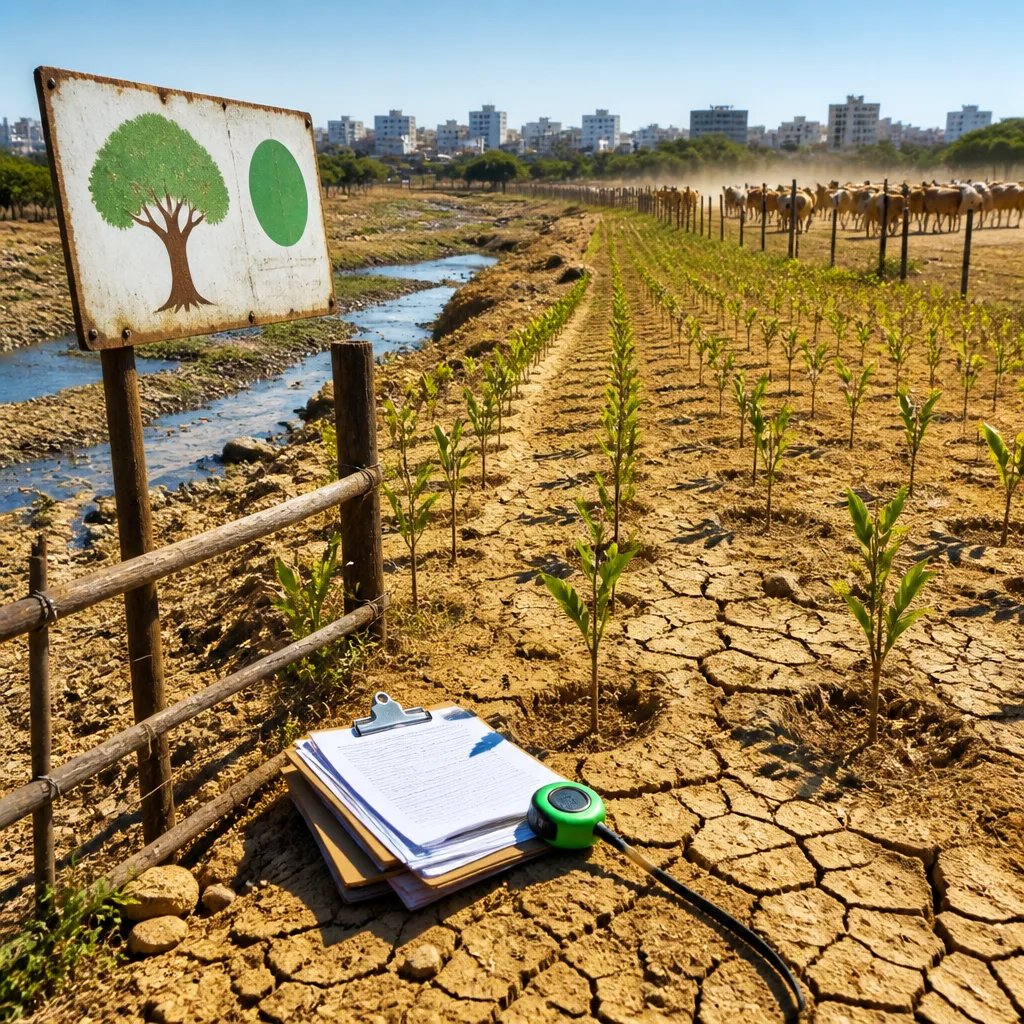
Analyses of restoration initiatives in several Indian states point to recurring patterns: projects designed to increase tree cover sometimes substitute local ecosystems with a narrow set of species, encroach on farmland and common grazing lands, or alter hydrology in water-scarce landscapes.
Reported harms and losses
Independent reviews cited in reporting show concrete examples of harm. In parts of Odisha and Himachal Pradesh, land designated for restoration has included areas used for homes and cultivation, leading to clearance of farms and houses. In Himachal Pradesh, pastoral communities have reportedly lost access to grazing grounds and traditional migration routes after restoration measures were implemented.
- Monoculture planting: Programmes often favour a small set of fast‑growing or commercially valuable species rather than diverse native assemblages.
- Water stress: High-density planting in landscapes unsuited to increased tree cover can exacerbate water shortages.
- Livelihood impacts: Conversion of commons and croplands for afforestation has reduced access to grazing and local resource use for some communities.
Critics warn that measuring success primarily by tree numbers or percentage of green cover risks creating perverse incentives. Such metrics may be attractive to governments and funders because they are easy to report, but they do not necessarily reflect restoration of ecological function, recovery of biodiversity or strengthening of rural livelihoods.
Policy signals and market pressures
The critique gains urgency as restoration efforts become linked to emerging policy instruments and markets. India’s new Green Credit scheme and the expanding scope of carbon and biodiversity markets could further push implementers to pursue projects that maximise measurable tree cover rather than ecological outcomes.
Experts say that without careful design, such incentives may favour plantations of a few species that are simple to establish and to account for in crediting systems, rather than diverse, site‑appropriate restoration that supports native flora and fauna and local communities.
| Approach | Main metric | Likely outcome |
|---|---|---|
| Tree‑count planting drives | Number of saplings planted/tree cover | Rapid canopy increase; risk of monoculture and water stress |
| Ecological restoration | Ecosystem function, biodiversity, livelihoods | Slower recovery but more resilient, locally suited outcomes |
What needs to change
Researchers recommend shifting monitoring and financing toward outcomes that capture ecological health and social safeguards. Practical measures suggested in the recent reporting include:
- Prioritising native species mixes tailored to local soil and hydrological conditions rather than standard high‑density plantings.
- Conducting participatory planning with communities to protect land rights, grazing routes and livelihoods before restoration begins.
- Measuring success using indicators of ecosystem function and biodiversity recovery, not just area or sapling counts.
Policymakers face a trade‑off between visible, headline‑grabbing actions and the slower work of building resilient landscapes. The experience from states cited in recent reviews suggests that real restoration requires aligning incentives, financing and monitoring to ecological realities and social needs.
As India expands restoration programmes and engages with carbon and biodiversity markets, experts say oversight will be crucial to ensure projects are appropriate to place, equitable for people, and effective for nature.