
Scientists have described a previously unknown subterranean fish from northern India — a small, translucent earthworm eel named Gangaichthys indonepalicus — after investigators followed up on a 2024 TikTok video showing an unusual tiny eel emerging from a borewell in Bihar. The species is the first subterranean fish recorded from the Gangetic Basin, the team reported in the journal ZooKeys.
Discovery and field work
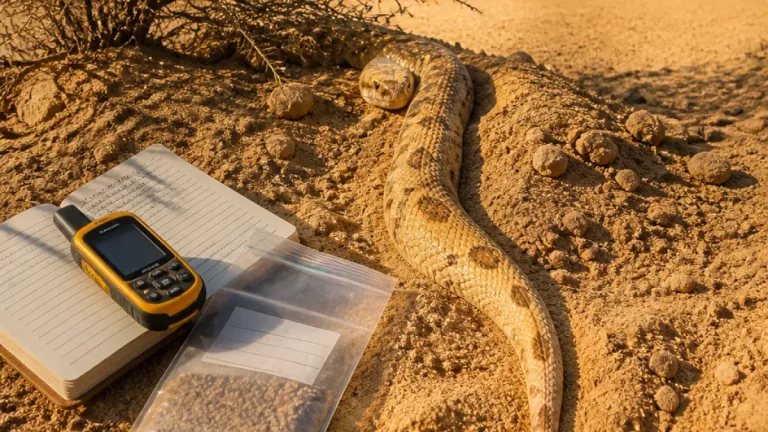
The specimen measures about 4 cm in length and shows clear adaptations to life in permanent darkness: eyes covered by skin, an unpigmented, translucent body and a reported absence of ribs. Intensive fieldwork in Bihar was required to obtain specimens. Researchers identified likely handpumps and borewells and manually pumped thousands of litres of water to recover animals from the subterranean aquifer.
- After pumping approximately 2,000 litres of water from one borewell the team obtained a specimen that was damaged and died immediately.
- The only intact specimen described was recovered from the same borewell after pumping an additional 500 litres of water.
“Procuring samples of this unusual fish was challenging,” said Akshay Khandekar, an author of the study. “Identifying potential hand pumps (borewells) and wells, and obtaining permission from their owners to extract water for the purpose of searching for the fish proved difficult,” he added.
Identification and scientific analysis
Researchers subjected the intact specimen to genetic sequencing and CT X-ray scans. Those analyses indicated that the animal represents a previously unrecognised genus within the earthworm eel family Chaudhuriidae. The specific name indonepalicus was chosen to reflect the species’ occurrence on the border between India and Nepal, the authors said.
| Feature | Observation |
|---|---|
| Length | ~4 cm |
| Habitat | Subterranean aquifer/borewell beneath Bihar (India–Nepal border) |
| Family | Chaudhuriidae |
| Key adaptations | Skin-covered eyes, lack of pigment, apparent absence of ribs |
Significance and context
The discovery expands knowledge of subterranean vertebrate diversity in the Indian subcontinent and highlights the possibility that groundwater systems in densely populated river basins may host specialised, previously undocumented fauna. The authors note that India’s biodiversity spans large gradients of climate and topography and multiple biogeographic regions, meaning surprises remain even in well-studied basins such as the Ganga.
Subterranean fishes often evolve traits such as loss of pigmentation and reduced or covered eyes as they adapt to life in perpetual darkness. Documenting such species requires targeted fieldwork in wells, springs and borewells and careful laboratory analyses to place them accurately in evolutionary trees. The combination of a social-media lead and labour-intensive pumping illustrates both new pathways to discovery and the practical difficulties of sampling animals that live metres to tens of metres below ground.
Conservation implications
Finding a small, specialised species in groundwater draws attention to the ecological value of aquifers as habitat, not merely as water resources. Groundwater organisms can be highly localised and vulnerable to changes in water extraction, contamination and land-use change. The researchers’ work underscores the need to integrate biological surveys into assessments of groundwater health, particularly in regions undergoing rapid development and intensive water use.
While the immediate paper establishes the taxonomic status of Gangaichthys indonepalicus, further surveys will be needed to understand its distribution, population size and conservation status. The study also demonstrates how combining community-sourced observations with rigorous field sampling and modern laboratory techniques can yield important scientific discoveries.
The research team includes Tejas Thackeray, Akshay Khandekar and Ishan Agarwal, among others, who describe the discovery and analyses in ZooKeys.