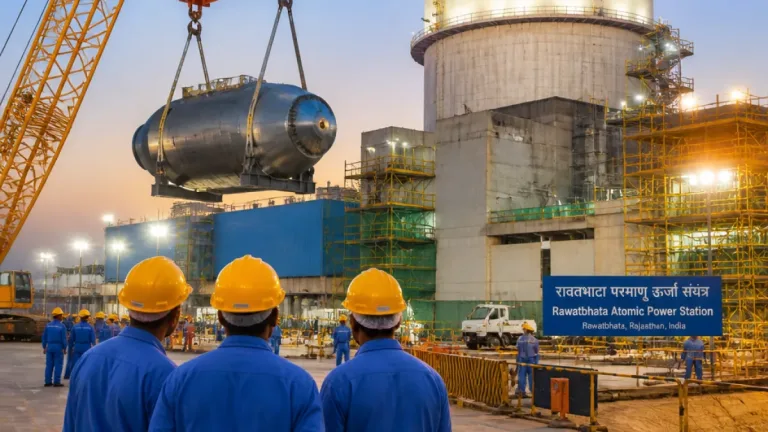

A new e‑book, The Quest to be a Science Superpower, offers a diagnostic of India’s scientific and technological landscape, acknowledging recent gains while identifying structural shortcomings that could blunt the country’s long‑term ambitions of becoming a global research and innovation leader.
Clear advances, persistent gaps
The volume, presented as a collection of essays and analyses, notes that India has seen an uptick in several measurable inputs: increased R&D spending, rising numbers of scientific papers and a growth in patent filings, alongside a large pool of trained STEM professionals. Yet the contributors argue that these advances have not consistently translated into sustained industrial capability or foundational innovation.
Authors compare India’s trajectory with established scientific powers and the East Asian economies, and emphasise that moving beyond an assembly‑oriented role towards being a source of core technologies requires more than headline metrics. The e‑book identifies a range of bottlenecks that limit the conversion of research into commercial development and strategic advantage.
Key barriers highlighted
- Research translation: Laboratories produce knowledge but converting that into scalable industrial processes and products remains uneven.
- Administrative hurdles: Heavy paperwork and rigid institutional practices are said to stifle agile, world‑class research.
- Talent dynamics: The volume flags continued concerns about brain drain and the difficulty of retaining top researchers in India’s institutions and firms.
- Quality and excellence: World‑class research institutions and outputs are still described as the exception rather than the norm.
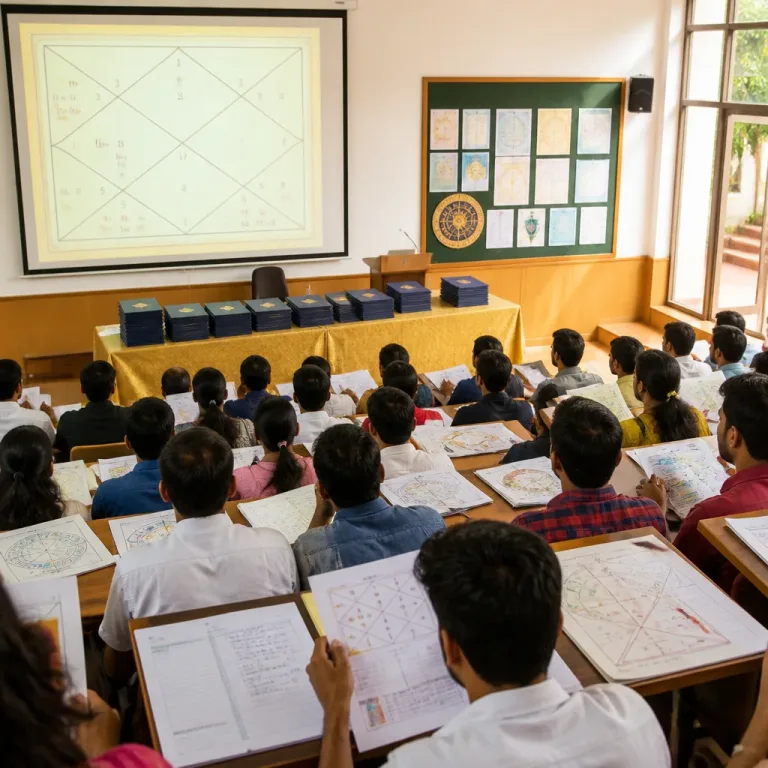
- Pseudoscience and critical thinking: Several essays warn about the rise of institutionalised pseudoscience and call for strengthening critical thinking across education and research systems.
"The Quest to be a Science Superpower"
Taken together, these themes form the book’s central argument: that achieving strategic scientific strength requires constructing an interconnected innovation ecosystem that supports basic research, translational pathways, industry partnerships and robust governance for scientific standards.
Roadmap to 2047 and what it will require
The e‑book sets the nation’s long‑term aim in the context of Viksit Bharat by 2047, urging policymakers and institutions to recalibrate efforts from quantity to capability. Contributors outline practical levers for change: creating incentives for collaborative research with industry, reforming grant and evaluation systems to reward high‑risk, high‑reward work, and investing in career pathways that retain talent.
| Selected chapter | Contributor |
|---|---|
| The ingredients of being a scientific superpower — and where India stands | Vasudevan Mukunth |
| Indian science has more money, more papers, and more patents — but also yawning gaps | Jacob Koshy |
| Why world‑class research is still the exception | Rohini Subrahmanyam |
| How research becomes development — and why sometimes it does not | Dinesh C. Sharma |
The book also addresses the social contract between science and society, arguing that scientific practice must respond to societal needs while society must value and protect scientific norms. Strengthening critical thinking in education and public discourse is framed as a necessary complement to institutional reform.
Implications for policy and practice
The essays collectively caution against complacency. In policy terms, the e‑book suggests that increased funding and rising publication counts are necessary but not sufficient. What will matter, contributors say, is building pathways that enable fundamental discoveries to be shepherded into technologies, industries and public goods — a shift that requires aligned incentives across universities, research labs, industry and government.
For researchers and institutions, the message is to prioritise excellence, translational partnerships and transparent, accountable governance. For the public and policymakers, the essays underline the need to defend scientific standards and invest in education that fosters critical thinking and scientific temperament.
By mapping both strengths and obstacles, the e‑book offers a pragmatic, rather than celebratory, assessment of what it will take for India to move from a nation strong in inputs to one that consistently produces globally influential science and technology.