A childcare professional and parent has urged public discussion and government action over the expanding and largely unregulated use of artificial intelligence in British Columbia’s licensed childcare sector, saying the tools are being used in ways that raise questions about accuracy, confidentiality and accountability.
Warnings from inside the sector
In a letter circulated to provincial leaders and stakeholders, the writer — a community advocate and child care professional — says AI is increasingly being woven into everyday practices in early learning, but that the licensed sector in B.C. lacks clear guidance on ethical and appropriate use.
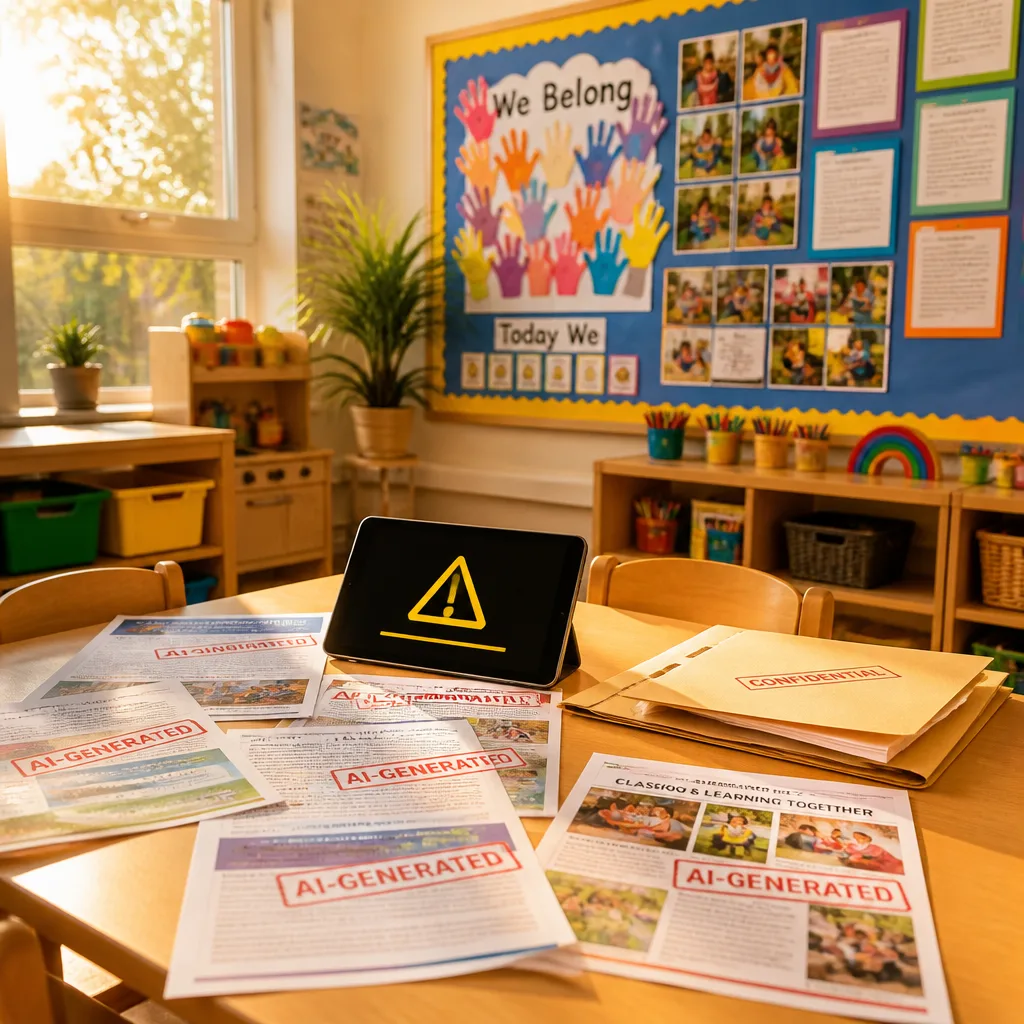
The concerns are specific. The author describes encountering a licensed facility that sent families a fully AI-generated newsletter and displayed classroom materials and images produced by AI that contained spelling mistakes, factual inaccuracies and examples that had not been carefully reviewed before being presented to children.
“It’s a new world, it’s a good tool.”
That was the response the author received from staff when raising concerns with the facility, according to the letter.
Where AI is being used
The letter lists several areas where AI-generated content appears to be in everyday use in early learning settings. These include:
- Marketing and promotional materials
- Parent communications and newsletters
- Professional documentation
- Program planning and educational content
- Administrative correspondence
- Staff-generated reports and observations
| Area | Potential concern |
|---|---|
| Newsletters and parent comms | Errors, inaccuracies; lack of human review |
| Classroom displays | Inappropriate or unchecked content presented to children |
| Documentation and reports | Confidentiality, accountability and professional standards |
Calls for accountability and standards
The writer argues that, unlike many regulated professions that are developing standards and safeguards for AI use, B.C.’s licensed child care sector appears to have little or no clear direction on how and when AI should be deployed. Given the sensitivity of early childhood settings — where confidential information, child development records and communications with families are routine — the author says the public deserves a conversation about accountability.
The letter was sent to the Minister of Education and Child Care, Premier David Eby, MLA Peter Milobar and other community stakeholders. It asks for broader public awareness and scrutiny of current practices and for leaders to consider formal guidance or rules governing AI in licensed child care environments.
Implications for families and educators
Parents and frontline educators face several potential risks if AI use continues without oversight, the letter suggests. These include the presentation of inaccurate educational materials to young children, the erosion of trust when families receive automated communications that have not been carefully checked, and unresolved questions about who is responsible when AI-generated documentation contains errors or breaches privacy.
While the author recognises that AI can have legitimate administrative uses, the letter stresses that those benefits do not eliminate the need for ethical guardrails and professional standards in spaces that serve young children.
As provinces and regulators across Canada grapple with AI’s implications in health, education and professional settings, this appeal highlights a gap in one of the most sensitive areas of public services: care and learning for children before school age. The conversation demanded by the writer will test how quickly policymakers, licensing bodies and early childhood educators can come together to set standards that protect children, families and the public trust.