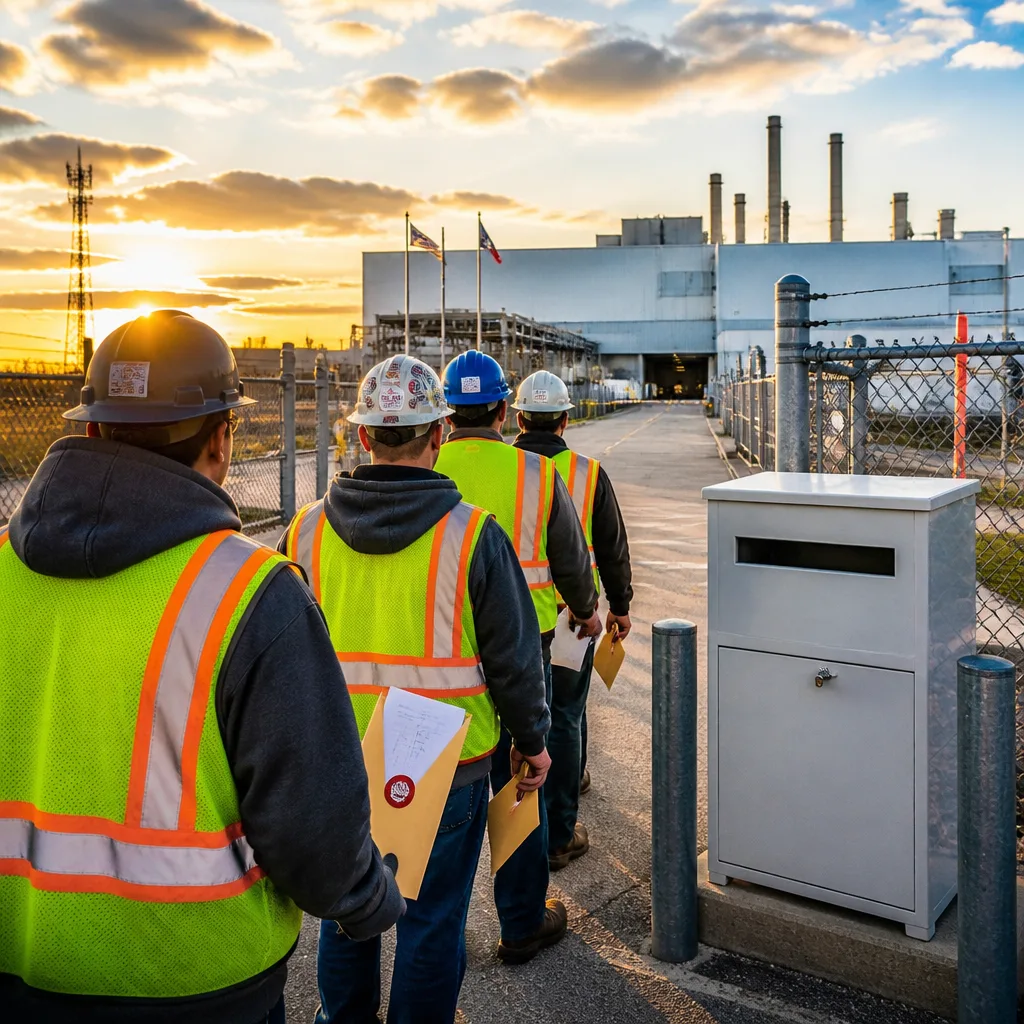
Unionized employees at General Motors across Ontario were set to conclude a weekend ratification vote on a tentative labour agreement covering more than 4,600 autoworkers, following a deal announced by Unifor and the automaker on Aug. 22.
What the deal covers
The agreements apply to workers at GM’s assembly and parts operations in Ontario, including the Oshawa assembly plant, the CAMI facility in Ingersoll, and operations in St. Catharines and Woodstock. Unifor officials said the tentative contracts deliver improved wages and benefits for the affected employees.
- Number of workers: more than 4,600
- Plants covered: Oshawa assembly, CAMI Ingersoll, St. Catharines, Woodstock
- Timeline: tentative agreement reached Aug. 22; membership voting over the weekend to ratify
The vote followed a month of bargaining that began after Unifor reached a separate deal with Ford earlier in August. The Ford agreement included annual pay increases of 3 per cent and a renewed no-closure guarantee — terms that set a benchmark for subsequent talks with other automakers.
National implications
The outcome of the GM vote carries significance beyond the plants directly involved. Settlements with major automakers often influence bargaining dynamics across the sector, providing comparators for other unions and employers as they negotiate pay, job security and benefits. Unifor’s recent string of deals with the country’s largest automakers is likely to be watched closely by labour and industry stakeholders alike.
Unifor National President Lana Payne described the package as delivering strong gains in wages and benefits for members working at the affected GM operations. The specifics of the increases and any additional provisions were not detailed in the union’s initial public statement accompanying the Aug. 22 announcement.
What members decide next
Union members were given the opportunity to vote on ratification over the weekend. If a majority of members at the affected workplaces approve the tentative agreements, the contracts will take effect according to the timelines negotiated between Unifor and GM. If members reject the agreements, the union and company would need to return to the bargaining table, raising the prospect of further negotiations or job action depending on subsequent developments.
| Facility | Location |
|---|---|
| Oshawa assembly | Oshawa, Ontario |
| CAMI | Ingersoll, Ontario |
| Operations | St. Catharines, Ontario |
| Operations | Woodstock, Ontario |
Those plants form part of a broader Ontario auto sector that remains central to Canada’s manufacturing base. Agreements that lock in wage increases, preserve benefits or secure job protections can reverberate through supply chains and shape regional economic expectations.
Context and next steps
Unifor has been negotiating across the auto sector this summer, following a high-profile bargaining season that included talks with Ford. The Ford agreement, which included 3 per cent annual pay raises and a no-closure pledge, set a comparator that other membership votes may measure against.
For workers at GM’s Ontario operations, the ratification vote is the decisive moment. A yes vote would finalise the tentative terms negotiated by Unifor and GM. A no vote would reopen negotiations at a time when the union has been seeking sector-wide gains amid concerns about employment security, inflation and competitiveness.
Nationally, the result will be monitored by industry analysts, other unions and provincial and federal policymakers who watch labour settlements for signals about wage trends and economic pressures within Canada’s manufacturing sector.
The Canadian Press contributed to this report.