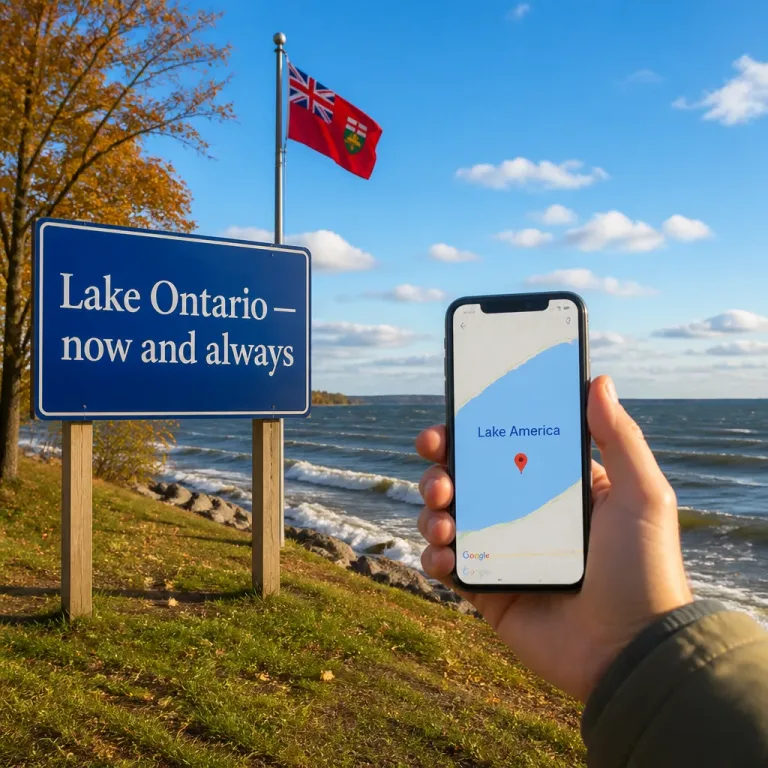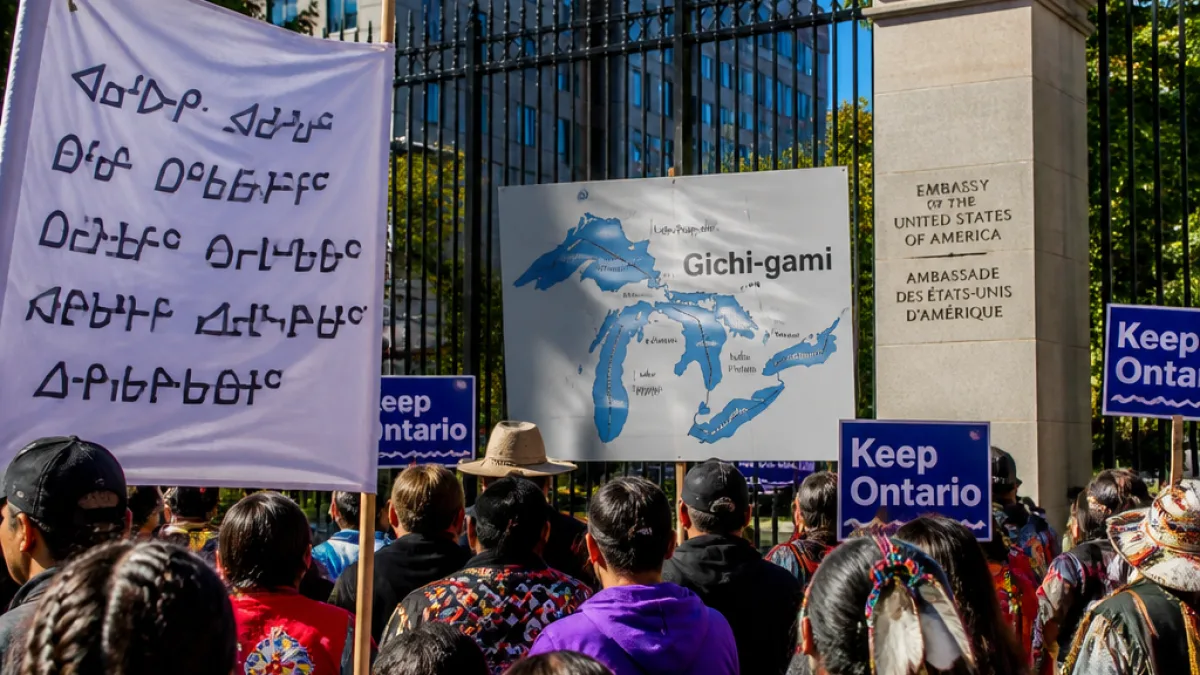
Indigenous leaders in Ontario and senior federal officials reacted with outrage after U.S. President Donald Trump signed an executive order on Thursday directing that Lake Ontario be renamed Lake America.
Historical name rooted in Wendat language
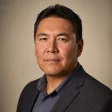
The name Ontario traces to the Wendat word Ontari:io, noted for its meaning related to the lake’s size and beauty. The Wendat Nation’s Grand Chief Pierre Picard told The Canadian Press he and his nation were "shocked" by the move and described it as an attempt to erase their history in the region.
“I want to tell him that it is unacceptable for us, as a nation, to have a president who can eradicate our history, our culture and our identity,” Picard said. “I don’t think anyone is able to change Trump’s mind, but for us it’s important for me as grand chief to bring our voice to the United States and tell them we are very upset with the decision.”
Picard said he has asked for a meeting with U.S. Ambassador to Canada Pete Hoekstra and that one would be scheduled for the following week. The Wendat historically occupied parts of the St. Lawrence Valley and the Great Lakes region, a territory shaped by important trade routes long before the founding of Canada or the United States.
Federal response and mapping companies
Prime Minister Mark Carney pointed to the Indigenous origin of the lake's name and said it would be known as Lake Ontario "then, now and always." Canadian officials, according to the same reporting, have told Indigenous leaders they will not recognise the U.S. unilateral change.
Mapping and tech companies quickly weighed in on the practical implications. American mapping company MapQuest said it would not change the lake’s name and posted an online poll that invited users to choose a name for the body of water. In one example image shared by the company the suggested name read, jokingly, "Lake Are We Doing This Again?"
Political and public reactions across the border
The move drew ridicule from some U.S. politicians. Wisconsin Governor Tony Evers posted a social media video in which he signed a napkin renaming Lake Michigan “Lake Wisconsin,” mocking the executive action and its apparent ease of enactment.
Closer to home, Indigenous leaders framed the change as an affront to cultural memory and a symbolic overreach that cannot rewrite long-established place names that predate modern national borders. Picard’s comments underline how place names can embody histories of occupation, trade and identity that are meaningful to First Nations.
What this means for Ontarians
For residents and institutions in Ontario, the U.S. order creates a diplomatic and cartographic irregularity rather than an immediate local change. Canadian governments and many private mapping services have signalled they will continue using the established name. Indigenous leaders have also made clear they will press their case diplomatically in Washington.
- Name origin: Adopted from the Wendat word Ontari:io, referring to the lake’s size and beauty.
- Canadian stance: Federal officials say the lake will continue to be known as Lake Ontario.
- Indigenous response: Wendat Grand Chief Pierre Picard described the renaming as an attempt to erase Indigenous history and requested a meeting with the U.S. ambassador.
| Actor | Reaction |
|---|---|
| Wendat Nation (Grand Chief Pierre Picard) | Shocked; called for diplomatic meeting; said move erases history |
| Prime Minister Mark Carney | Stated the lake will be known as Lake Ontario "then, now and always" |
| MapQuest | Declined to change name; ran a public naming poll |
The dispute highlights broader tensions about who has authority to name places and how those names reflect history and identity. Across Ontario, names that derive from Indigenous languages are widely used in municipal, provincial and federal contexts, and many First Nations view them as fundamental to cultural continuity.
While the immediate practical impact is limited — Canadian maps, signage and official documents will remain unchanged unless Canada chooses otherwise — the episode raises questions about cross-border unilateralism and the potential for symbolic acts to inflame longstanding grievances. Indigenous leaders say they intend to press their case through diplomatic channels and public advocacy.
As the matter moves to scheduled meetings between Indigenous representatives and U.S. officials, Ontarians from urban centres to rural townships will be watching how governments and companies navigate an unusual clash of cartography, politics and cultural heritage.
Reporting from Ontario, where place names connect deep Indigenous histories with modern civic life.