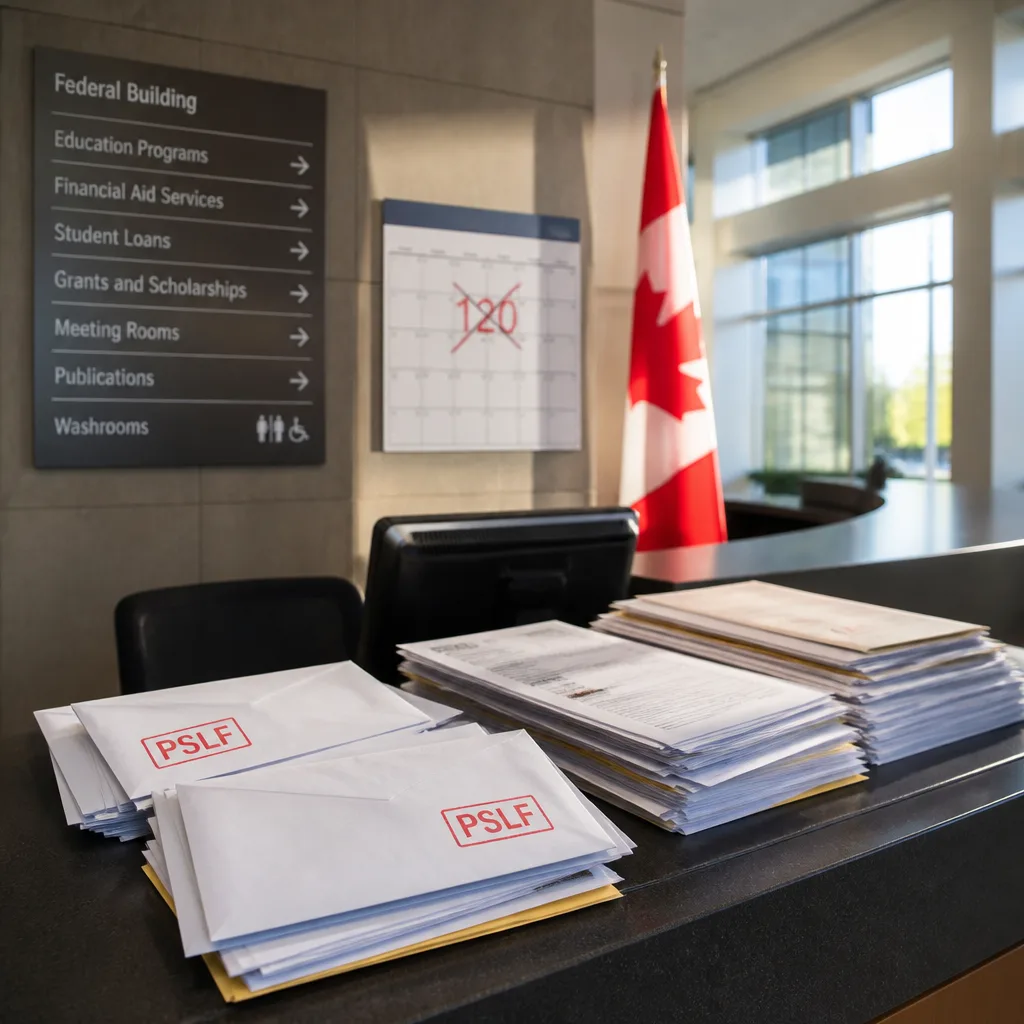
The U.S. Department of Education has confirmed that it has rescinded some credit borrowers had been credited toward Public Service Loan Forgiveness (PSLF), a development that has left many people who serve in government and nonprofit roles further from qualifying for student debt cancellation.
What changed and who is affected
PSLF allows borrowers to have remaining federal student loan balances discharged after making 120 qualifying payments — generally the equivalent of 10 years — while working for eligible employers under certain repayment plans. The department says some of the previously counted payments have been removed from borrowers’ PSLF totals as officials work to correct errors in their data systems.
The rescissions were first noticed last week when borrowers reported abrupt reductions in their qualifying payment counts. Call-centre staff in the department’s Federal Student Aid office initially attributed drops to an unspecified data error. The department has since signalled that at least a portion of the reductions were intentional and intended to resolve inaccuracies.
Consequences for borrowers and the program
For borrowers who had been tracking toward the 120-payment milestone, the changes can be consequential. Under PSLF rules, payments must be made on Direct federal student loans and typically must occur while a borrower is on specified repayment plans — commonly income-driven plans — and employed by qualifying non-profit or government organisations. Any remaining balance after meeting those requirements can be discharged.
With previously counted payments removed, some borrowers now face additional years of payments before reaching forgiveness. The sudden changes have fuelled confusion and frustration among people who planned career and financial decisions around anticipated loan relief.
- 120 qualifying payments are required for PSLF discharge (equivalent to about 10 years).
- Payments must generally be on Direct federal loans under eligible repayment plans.
- Employment must be with certain nonprofit or government organisations.
| PSLF requirement | Short description |
|---|---|
| 120 payments | Generally 10 years of qualifying payments |
| Loan type | Direct federal student loans |
| Employment | Government or qualifying nonprofit organisations |
Department response and remaining questions
The Education Department has provided limited public detail about the scope of the rollback. Officials have described some of the reversals as part of efforts to remedy errors in department systems, but it remains unclear exactly how many borrowers are affected, which categories of previously counted payments were removed, and how the department will notify and support people who have had credit rescinded.
Borrowers first raised alarms when they noticed abrupt drops in their PSLF payment counts. Some received official notices indicating a change to their qualifying totals. The department’s initial characterization of the problem as a data error has given way to an acknowledgement that at least some rescissions were deliberate steps to correct incorrect credits.
What borrowers should do now
Borrowers concerned about their PSLF status should check their account information with the Office of Federal Student Aid and, if necessary, contact the department for clarification about which payments were removed and why. Those who believe the department has made an error can ask for a review and gather documentation showing qualifying employment and eligible payments.
The situation highlights the fragility of borrower expectations tied to administrative records. Many who have organised careers around public service roles looked to PSLF as a predictable path to debt relief; abrupt adjustments to the program’s bookkeeping can alter those plans and add financial uncertainty for households.
As the department continues to review its systems and communications, borrowers, advocates and employers will be watching for clearer explanations and processes for restoring valid credit where errors occurred.