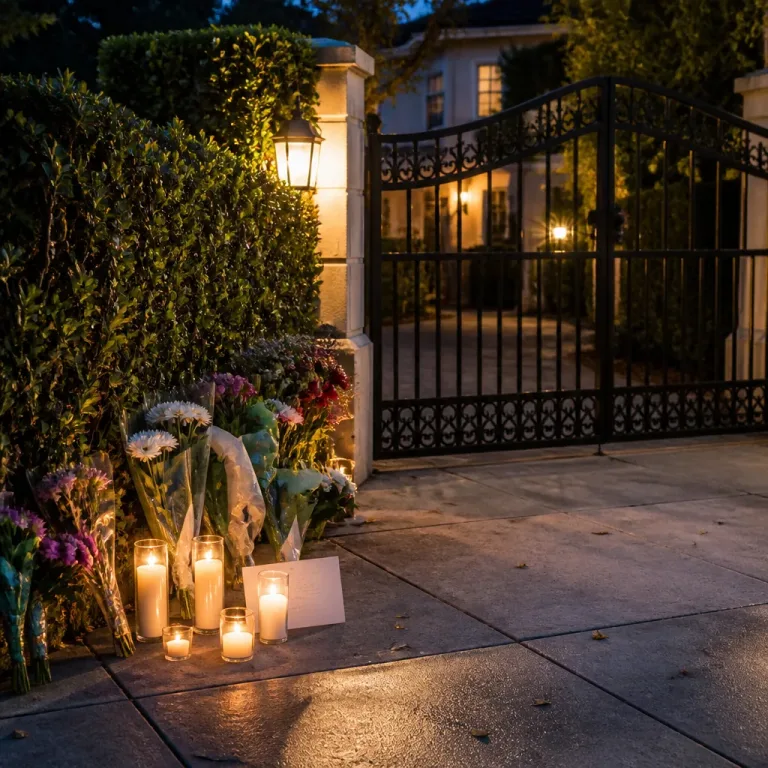
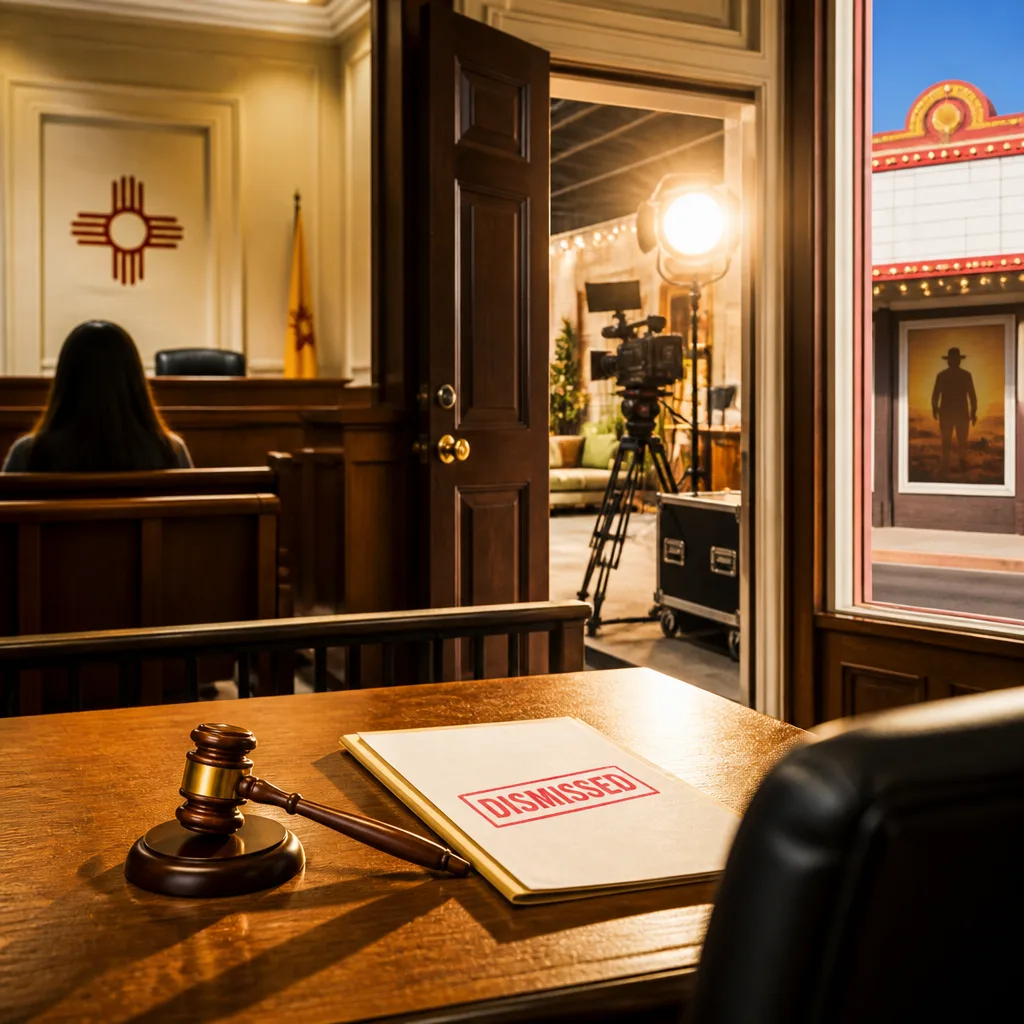
Rory Kennedy’s new documentary, The Trial Of Alec Baldwin, arrives in cinemas this week asking how an actor of considerable stature navigates public scrutiny after the tragic on-set shooting on Rust that killed cinematographer Halyna Hutchins. The film follows Baldwin into a New Mexico courtroom where he faced criminal charges of involuntary manslaughter, and it lays bare a stubborn human desire to control one’s public image.
Documentary gravity versus reality-TV spectacle
Kennedy, an Emmy-winning filmmaker whose previous work has tackled subjects such as Abu Ghraib and the Vietnam War, brings a journalistic, unsensational approach to Baldwin’s story. That seriousness, however, is tested by Baldwin’s own choices — in particular, his agreement to star in The Baldwins, a TLC reality series that premiered after the case against him was dismissed with prejudice over a disclosure violation.
The contrast is striking. On one hand is a sober, investigative film that treats the legal and human stakes with respect. On the other is programming from a network known for exploiting vulnerable subjects, a style that many critics argue trades ethical integrity for voyeuristic ratings. The apparent incongruity of a respected actor agreeing to such a programme is among the film’s underlying puzzles.
“Everybody wants to believe they have some control over their lives and how people see them.”
The line, spoken by Baldwin on camera and used to open the documentary, frames the film’s central irony: the more one strives for control, the less control one sometimes has over public perception. Baldwin follows that with a blunt admission: “The worst thing for me is to be misunderstood.” Those remarks help explain why the actor would permit Kennedy to document his ordeal, even as his other media choices complicate the narrative.
What the film reveals — and leaves open
Kennedy’s pedigree suggests a measured, empathetic lens, and the documentary does offer moments of dignity. It records Baldwin in the courtroom and in quieter, personal instances, grappling with consequences that go far beyond legal jeopardy. But the film also prompts broader questions about celebrity, responsibility and where the line should be drawn between reportage and spectacle.
Viewers will recognise several threads that extend beyond Baldwin himself:
- How high-profile figures curate and contest their public narratives.
- The uneasy relationship between serious journalism and entertainment formats that prioritise shock value.
- The ethical pressures on creators and broadcasters in the aftermath of real-world tragedy.
Those tensions were made more acute by aspects of Baldwin’s private life that previously attracted media attention. The TLC series amplified curiosity about family dynamics, including the controversy surrounding Baldwin’s wife, Hilaria, who has been criticised for presenting herself as Spanish.
| Production | Tone | Notable facts |
|---|---|---|
| The Trial Of Alec Baldwin | Documentary, journalistic | Directed by Rory Kennedy; follows Baldwin through legal proceedings |
| The Baldwins (TLC) | Reality TV | Premiered after criminal case dismissal; attracted controversy over family portrayals |
It is important to stress what the film does not do: it does not sensationalise the circumstances of Halyna Hutchins' death, nor does it attempt to replace courtroom record with televised drama. Instead, Kennedy’s approach appears to be one of documentation and observation — an attempt to let events speak for themselves while allowing the audience to judge.
For Canadian audiences accustomed to discussions about media ethics and the commodification of trauma, the documentary offers a cautionary study. It shows how even earnest attempts at truth-telling can be undermined by the pull of less reputable entertainment formats, and how celebrity status both shapes and distorts accountability.
Whether viewers leave the theatre convinced that Baldwin has been fairly represented will depend on how they weigh the film’s evidence against the broader cultural context — a context in which fame, television and an insatiable appetite for personal drama continue to collide.