The documentary NAZA, which premiered to acclaim at this year’s Venice Film Festival, is now at the centre of a political firestorm after senior Israeli officials publicly condemned the film and threatened the directors with the loss of citizenship.
Festival success met with government backlash
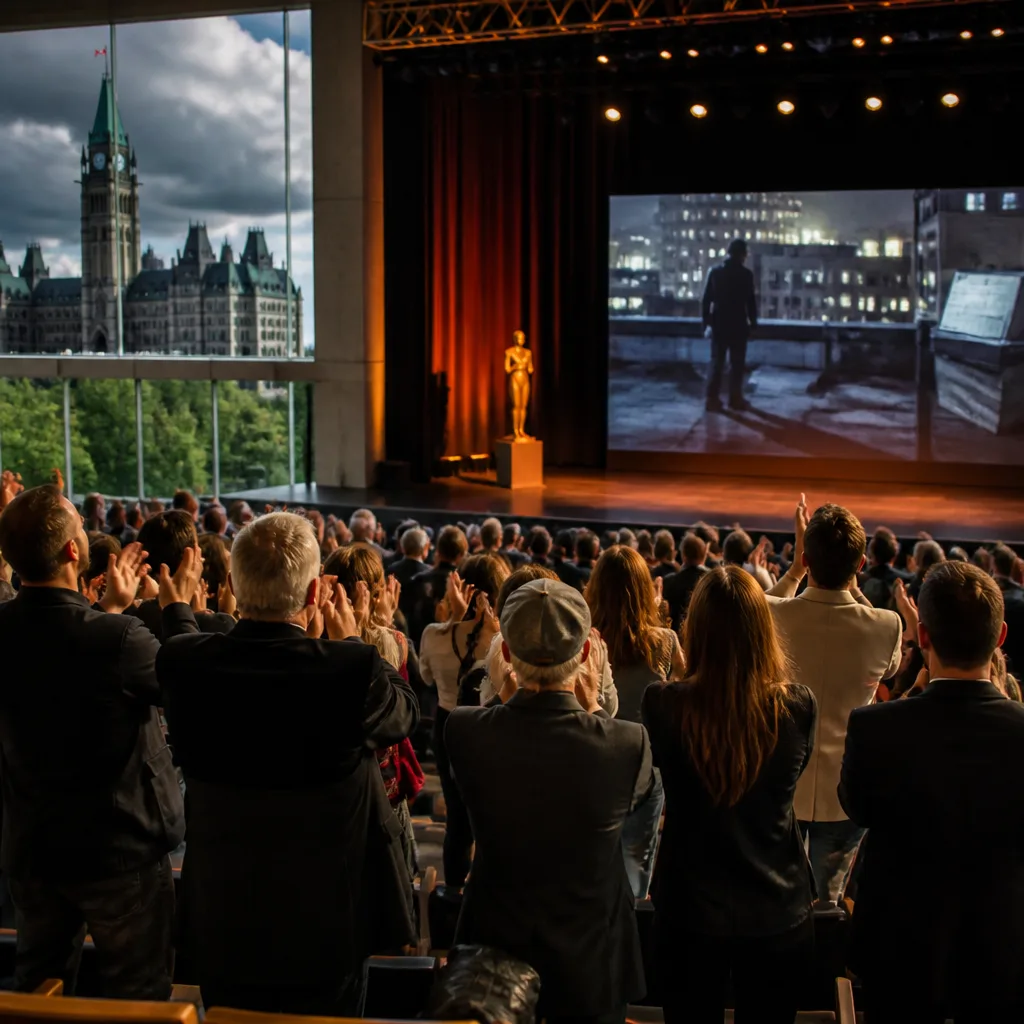
Shot in Tel Aviv and using rooftop night footage and anonymous interviews with military personnel, the film examines decisions made by Israel’s armed forces following the Oct. 7, 2023, Hamas assault. At Venice on Sept. 10 the documentary received a standing ovation lasting about 25 minutes — a run that set a festival record — and went on to receive the festival’s Special Jury Prize.
Within days of the screening the film’s directors, Israeli documentarians Yuval Abraham and Rachel Szor, were criticised by government figures. Culture Minister Miki Zohar described their work as an act of “treason against the state,” and Prime Minister Benjamin Netanyahu publicly threatened to strip the filmmakers of citizenship over what he labelled “shocking incitement.”
“Shocking incitement,”
Those attacks have had the paradoxical effect of broadening the film’s reach beyond the festival circuit: international attention has surged as critics of the government argue that attempts to silence artists only amplify their message.
How NAZA’s reporting landed on screen
NAZA takes its title from an intelligence acronym used to approximate civilian casualties in an airstrike and draws on reporting previously published by outlets including +972 Magazine, Local Call and The Guardian. The feature interweaves first-person accounts from alleged intelligence officers and soldiers with nighttime surveillance-style footage to make the case that civilian harm was a foreseeable consequence of targeting decisions in Gaza.
The film’s methodology and its reliance on anonymous sources have prompted defenders to hail it as crucial investigative work and opponents to challenge its conclusions and motives. That divide now plays out not just in festival reviews but in the highest corridors of government.
Wider cultural and diplomatic stakes
The dispute raises several immediate questions for the arts sector and for policymakers:
- What limits, if any, should states impose on artists whose work is critical of official policy?
- How do festival accolades and international attention affect domestic political calculations?
- Can threats to artists’ legal status be considered a form of censorship with chilling effects on reportage and documentary practice?
Artists and cultural institutions around the world have often seen government pushback translate into wider public interest. That dynamic was visible in recent months when other public controversies thrust artists back into the spotlight, yet the stakes for NAZA’s creators are arguably higher because of the possibility of punitive state action.
Record, award and reactions — at a glance
| Item | Detail |
|---|---|
| Festival | Venice Film Festival premiere (Sept. 10) |
| Standing ovation | ~25 minutes (festival record) |
| Award | Special Jury Prize |
For now, the film’s North American premiere is still pending, and the international conversation around NAZA is likely to shape how it is received when it reaches wider audiences. The government’s response has already altered the film’s trajectory: what began as a documentary screened for cinephiles has become a flashpoint in debates over accountability, national security and the limits of artistic dissent.
As NAZA moves toward broader release, cultural commentators and free-expression advocates will be watching whether the heightened political rhetoric leads to concrete steps against the filmmakers, and how international arts institutions respond to pressure from state actors. In the meantime, the controversy makes clear that for many films today, festival applause can be only the first act in a much larger story.