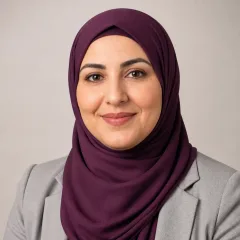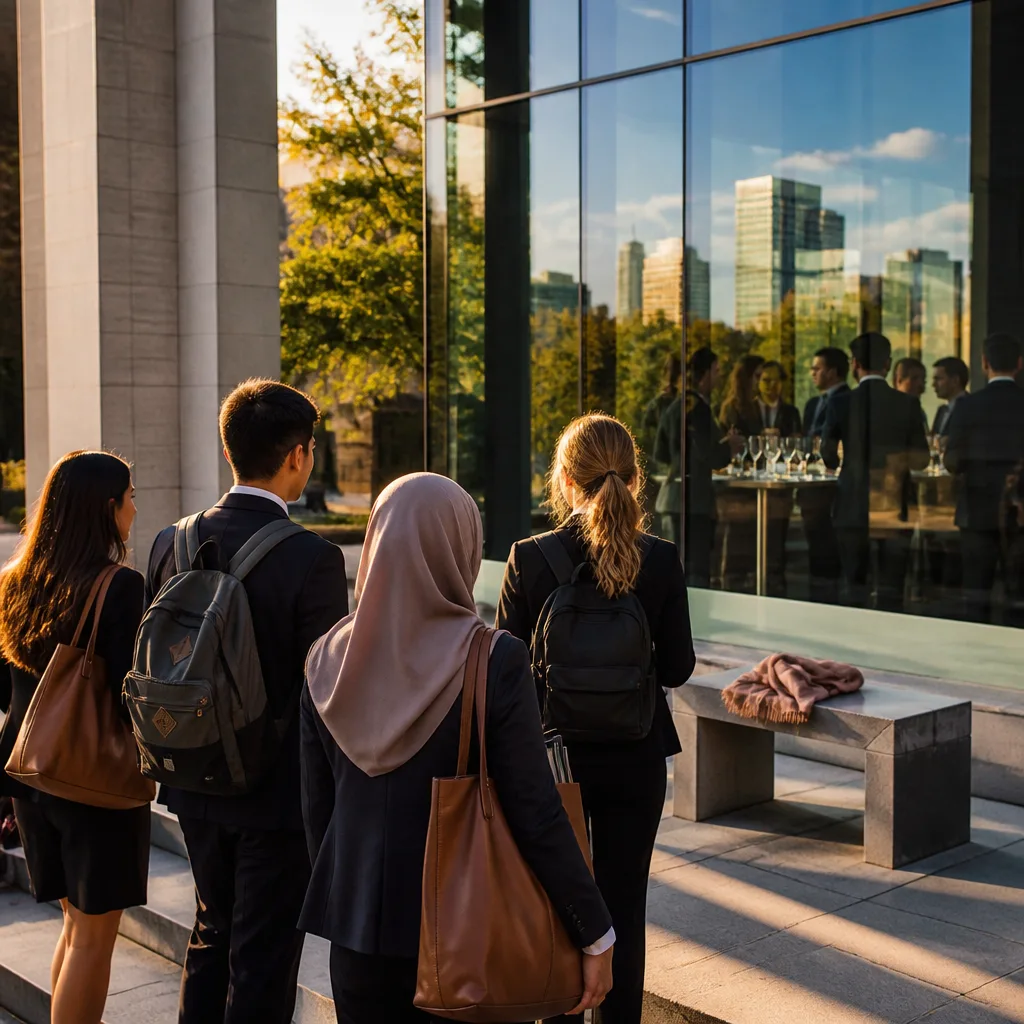
Muslim law students reported a strong sense of belonging while at law school, yet many expressed concern about their place once they enter the legal profession, according to a recent qualitative study at Western Sydney University’s School of Law.
From campus belonging to workplace uncertainty
The research, which explored students’ experiences of belonging, representation and expectations of legal practice amid reports of rising Islamophobia, found that diversity on campus made Islam a more familiar presence for many students. That familiarity often translated into a felt sense of inclusion within the university environment.
However, participants were less certain about their future in the profession. The study noted a perceived scarcity of Muslim lawyers in senior roles and a lack of potential mentors or role models with similar backgrounds. That absence, students said, influenced their expectations about career progression and belonging beyond graduation.
Networking, visibility and gendered concerns
One notable barrier identified was common professional networking practices. Events that centre around alcohol or take place in venues students feel unable to attend for religious reasons were singled out as exclusionary. Because informal relationships and networks play a significant role in early legal careers, missing such events can limit access to mentorship, job opportunities and the social capital that supports professional advancement.
The study also highlighted how religious visibility affects hiring and career decisions. Women in the study raised specific worries about how being visibly Muslim — including wearing the hijab — might alter how colleagues, employers or clients perceive them in professional settings. These accounts underscore the need for answers that extend beyond access to law school and into workplace culture.
- Campus inclusion does not automatically translate into workplace inclusion.
- Informal networking routines can create structural disadvantages for those who cannot participate for religious reasons.
- Religious visibility intersects with gender to shape professional opportunities and perceptions.
| Barrier | Impact on students |
|---|---|
| Few senior Muslim lawyers | Limited role models and mentorship |
| Networking events centred on alcohol | Reduced access to informal networks and job leads |
| Visible religious dress (e.g. hijab) | Concerns about bias in hiring and client interactions |
Implications for universities and the profession
The study’s findings point to concrete areas where law schools and legal employers can act. While universities may cultivate diverse student bodies and more inclusive campus cultures, the research suggests those efforts must be matched by changes in professional settings to ensure continuity of belonging.
Addressing the gaps identified could involve rethinking networking formats, expanding visible pathways to senior roles for Muslim lawyers, and ensuring recruitment and workplace policies explicitly guard against bias related to religious dress and observance. The students’ accounts make clear that interventions confined to the campus will be insufficient if the profession’s informal practices and patterns of representation remain unchanged.
For educators, regulators and law firms concerned with equity and access, the study underscores that transition to practice is a critical juncture. Policies that support mentoring, diversify senior ranks, and adapt professional social practices could help convert campus inclusion into sustained career belonging.
The research adds to broader discussions about how post-secondary institutions prepare students not only with technical skills and credentials but also with the networks and supports necessary to thrive in professions where informal relationships and visibility matter.