
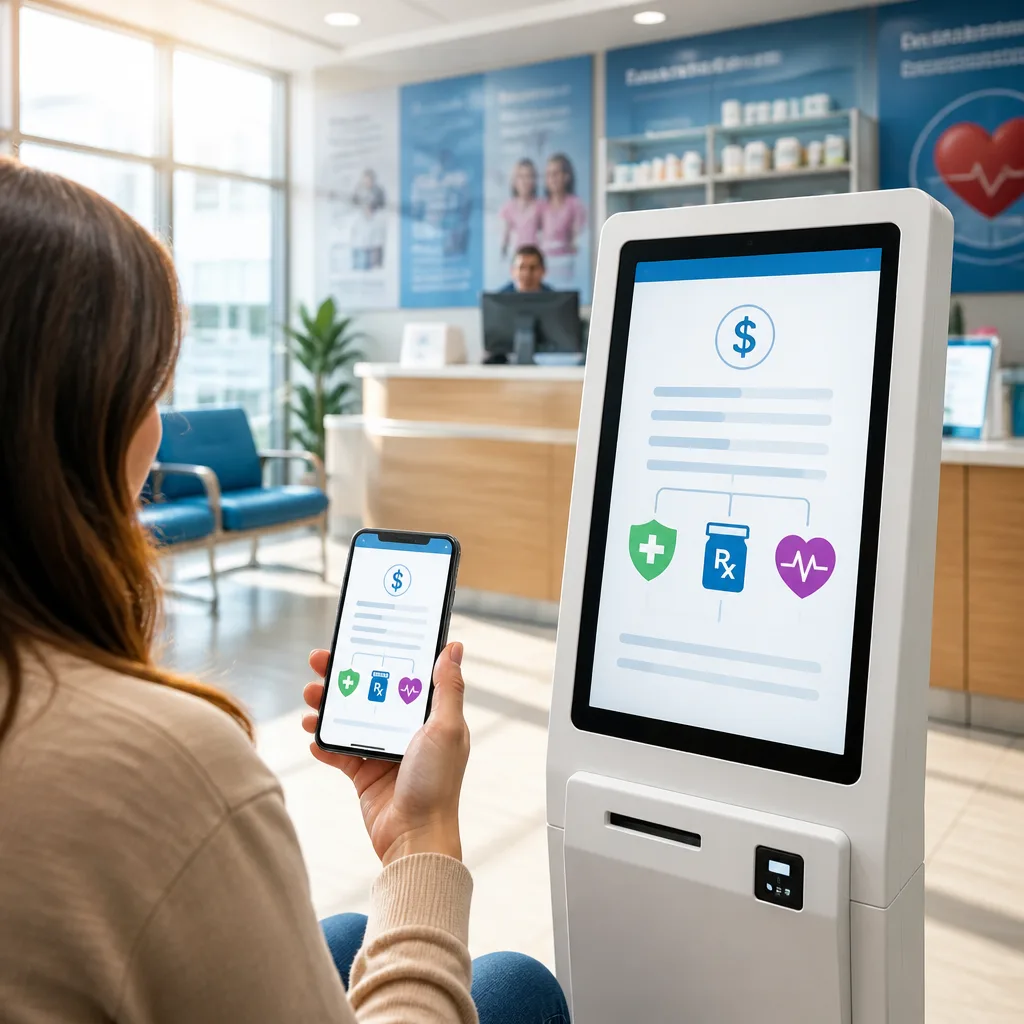
Aetna is using artificial intelligence and natural-language interfaces to give members clearer cost estimates and to reduce the friction that often accompanies seeking care, the insurer said. The effort is part of a deliberate refocus on the consumer experience by the company’s technology leadership.
Tech strategy shifts to consumers
Nathan Frank, Aetna’s chief digital and technology officer, took charge of the company’s technology agenda about four years ago and prioritised the member experience rather than the traditional insurer emphases on utilisation, cost controls and broad cloud migration. Frank leads roughly 6,000 technologists responsible for supporting some two thousand platforms and serving members, providers and colleagues.
“There is no other industry where we assign homework to the customer,”
The company rebuilt a cost‑estimation product that covers more than 20,000 medical services, allowing members to use conversational language and AI to estimate costs for both straightforward and complex procedures before they receive care. The change appears to have substantially altered behaviour: usage of the tool rose from under 10 per cent in the previous model to nearly 70 per cent among those who consult it prior to a procedure.
Why cost transparency matters
Aetna’s leadership frame the work as an attempt to eliminate a common and frustrating feature of modern healthcare — committing to services without knowing the price. The company argues that making pricing and care pathways clearer for members reduces the administrative burden patients often face, such as transferring information among disconnected organisations or coordinating their own care.
These initiatives sit inside a large corporate umbrella. CVS Health — Aetna’s parent — reported total revenue of US$402.1 billion in 2025. Its Health Care Benefits segment, which includes Aetna, produced US$143.4 billion in revenue and served 26.6 million medical members at year-end.
Features and intended outcomes
The company described the work in practical terms: natural-language queries that let members ask about likely costs; predictive estimates that cover a wide catalogue of services; and a broader goal of tying coverage, pharmacy access and care experiences into a single, more coherent journey for users.
- Natural‑language, AI-driven cost estimates for more than 20,000 services.
- Usage increase from below 10% to nearly 70% among those using the tool before procedures.
- Organisation of technology teams — roughly 6,000 technologists — to support member, provider and colleague experiences on many platforms.
Context and implications
Insurers and health systems have long struggled with fragmentation: different players manage coverage, delivery and pharmacy, often leaving patients to navigate complex administrative tasks. Aetna’s shift illustrates one way a large insurer is trying to use digital tools to bridge those gaps for members. The approach has several potential consequences:
- Greater front‑end transparency could influence where patients seek care and how they budget for non‑emergent services.
- Higher utilisation of cost‑estimation tools may spur greater price competition if members can compare expected costs before choosing providers.
- Success depends on integration across billing systems, provider data and up‑to‑date coverage rules — a non‑trivial technical and operational challenge.
While Aetna’s work centres on making the system easier to use, the broader evolution of AI in health care raises questions about accuracy, data governance and equitable access to tools. The company’s published figures show substantial reach, but the long‑term impact will depend on sustained accuracy of estimates and on whether tools are accessible to disadvantaged or digitally marginalised members.
| Metric | Value |
|---|---|
| CVS Health total revenue (2025) | US$402.1 billion |
| Health Care Benefits revenue (2025) | US$143.4 billion |
| Medical members in Health Care Benefits (year‑end 2025) | 26.6 million |
| Technologists supporting Aetna platforms | ~6,000 |
| Medical services covered by cost tool | 20,000+ |
| Pre‑procedure cost‑estimation tool usage (before/after) | <10% → ~70% |
For patients and policymakers, these shifts warrant attention. Improved price clarity could help individuals make more informed choices and reduce surprise bills, but the success of such tools will rest on the quality of data they rely upon and on widespread adoption across diverse populations. Aetna’s pivot to member experience shows how insurers are experimenting with AI to change the front line of care navigation; the next questions will be how reliably those tools perform and whether they translate into better outcomes and lower costs for patients.
Naomi Chen is Health Editor at WE NEWS.