Havana has asked Ottawa to continue publicly opposing the longstanding U.S. embargo as Washington steps up pressure on countries that support Cuba, the island nation’s ambassador to Canada said.
Diplomatic appeal ahead of UN vote
Rodrigo Malmierca Díaz, Cuba’s ambassador to Canada, told media he is confident Ottawa will remain an ally in the campaign to end the U.S. measures. The appeal arrives with the United Nations poised to consider a motion next week that seeks termination of the U.S. economic, commercial and financial embargo imposed on Cuba — a resolution Cuba has submitted almost every year since 1992.
"The blockade and this intensification is, in practice, killing people,"
The ambassador emphasised that recent U.S. actions amount to a concerted pressure campaign that is damaging Cuban health and education systems and worsening an ongoing economic crisis. He singled out an effective oil cutoff that followed Washington’s moves to block Venezuelan shipments in January.
Fuel shortages, power outages and wider impacts
According to the information provided by the Cuban mission, the country currently produces roughly 40 per cent of the fuel it requires. Shortfalls have led to frequent blackouts and have strained public services, with the ambassador warning of direct threats to the health-care sector and the broader economy.
Those shortages have already affected travel and transport: several airlines, including Air Canada, suspended flights to Cuba in February due to limited aviation fuel supplies, the ambassador noted.
Context and contesting narratives
Havana attributes its economic collapse to six decades of U.S. sanctions, arguing the embargo and recent measures have deepened shortages and contributed to the crisis that began in 2020. The Cuban government presents the intensification of U.S. pressure as a cause of deteriorating access to food, medicines and energy.
At the same time, international human-rights organisations have repeatedly criticised Cuba’s domestic record. Human Rights Watch and Amnesty International contend the Cuban authorities engage in arbitrary detention, ill-treatment of political prisoners and strict limits on media and political pluralism. Those critiques form part of a broader international debate that influences how states respond to Cuba’s UN appeals.
What Canada’s position means
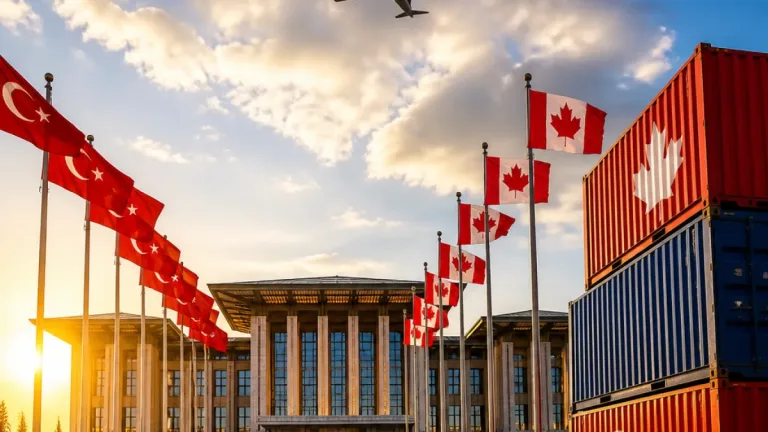
Canada has historically backed the UN resolution condemning the embargo on several occasions. Any continued public support from Ottawa would signal alignment with countries that view U.S. sanctions as illegal or counterproductive, while abstaining or opposing could be read as shifting closer to Washington’s stance.
Canada’s choice carries practical consequences:
- Diplomatic message: a vote in favour reinforces Canada’s traditional support for multilateral initiatives against unilateral sanctions;
- Humanitarian impact: signalling could affect how Canada and other states engage on aid, medical supplies and travel to the island;
- Relations with Washington: a divergence from U.S. policy may complicate bilateral coordination on hemispheric security and trade matters.
| Metric | Detail |
|---|---|
| UN motion presented since | 1992 |
| Domestic fuel production | 40 per cent of needs |
In Ottawa, lawmakers on the Standing Committee on Foreign Affairs and International Development have in past sessions heard directly from Cuba’s envoy. The conversation now centres on whether Canada will publicly reiterate its objections to the embargo as the UN prepares to consider the resolution once more.
For Ottawa, the decision will be weighed against competing imperatives: upholding multilateral norms and humanitarian concerns, while managing a close security and economic relationship with the United States that has shown signs of hardening toward countries perceived as supporting the Cuban government.
As the vote approaches, Canadian policymakers will be pressed to clarify how their international posture reflects both longstanding diplomatic traditions and present-day geopolitical pressures.