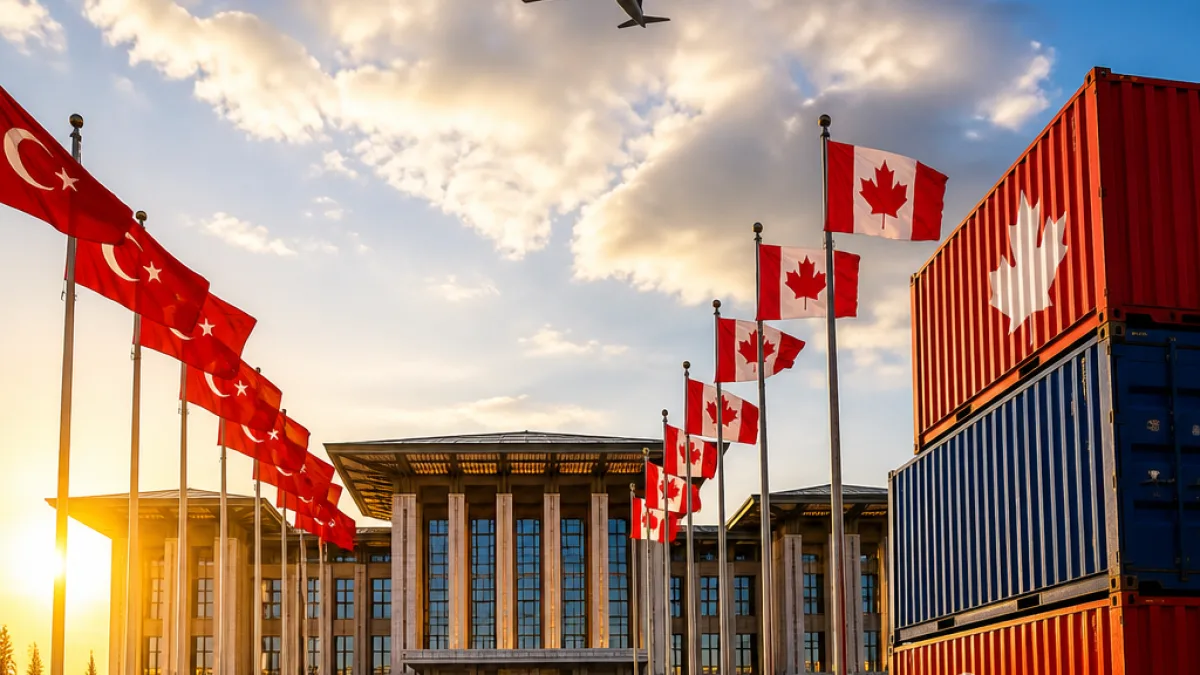
Prime Minister Mark Carney and Turkish President Recep Tayyip Erdoğan announced a strategic partnership on Thursday aimed at expanding both trade and defence co‑operation between Canada and Turkey, a move Ottawa framed as part of a broader effort to strengthen ties with reliable middle powers and reduce economic reliance on the United States.
First bilateral prime ministerial visit to Turkey
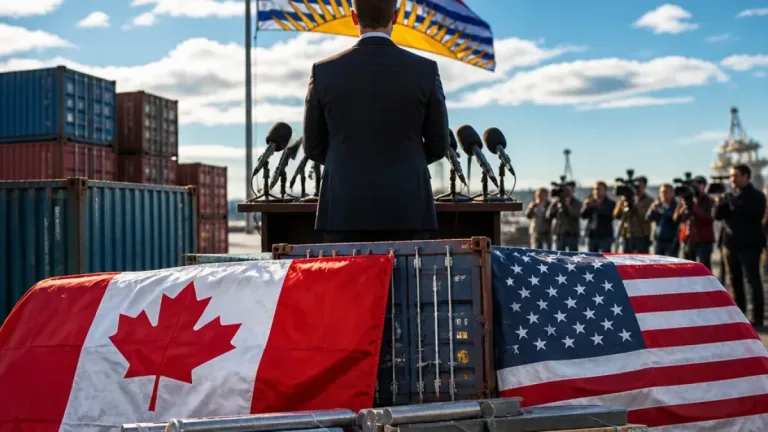
The announcement came during Mr. Carney’s three‑day trip to Ankara, the first bilateral visit to Turkey by a Canadian prime minister. In a joint statement at the presidential complex, Carney described Turkey as an "exceptional" partner and framed the initiative as one that builds national resilience through collaboration with complementary allies.
"No country builds strength alone. The most resilient countries bring together complementary strengths with trusted partners. Our goal isn’t self-sufficiency. It is collective resilience," Carney said.
President Erdoğan characterised the agreements as the beginning of a renewed chapter in relations between the two countries, saying the two governments had been diplomatically engaged but somewhat disconnected in the past.
Scope of the partnership
Officials said the agreement centres on expanding commercial links and bolstering defence co‑operation. The public remarks emphasised creating new economic opportunities for Canadians through deeper trade ties and closer collaboration with a NATO ally.
- Trade expansion: Ottawa aims to deepen market access and diversify trade relationships.
- Defence co‑operation: The partnership will increase co‑ordination with a key NATO member.
- Diplomatic reset: Leaders framed the move as closing a period of disconnect and opening a new chapter in bilateral relations.
| Item | Detail |
|---|---|
| Visit length | Three days |
| Historic note | First bilateral visit to Turkey by a Canadian prime minister |
| Focus areas | Trade and defence co‑operation |
Why it matters to Canada
For Ottawa, the partnership forms part of a strategic pivot to broaden economic ties beyond traditional North American channels. By cultivating closer relations with other middle powers, the government seeks to build what Carney called "collective resilience" to economic shocks and geopolitical shifts.
The defence element also carries significance in the NATO context: Turkey is a major regional ally with a prominent role in alliance politics. Enhanced co‑operation could affect joint training, procurement conversations and intelligence sharing, though details released publicly so far were limited.
Domestic political observers will be watching how Ottawa balances this outreach with existing alliances and commercial relationships, particularly with the United States. The government has underscored trade diversification as a priority; this agreement with Turkey is a concrete step in that direction.
Next steps and constraints
Officials did not release exhaustive implementation timelines on Thursday. The announced partnership signals intent and provides a framework for further negotiations and specific agreements to be concluded in the months ahead.
How quickly tangible outcomes—such as new trade deals, defence projects or joint procurement—materialise will depend on follow‑up talks, parliamentary and regulatory processes, and the evolving geopolitical environment.
As Canada expands its network of strategic partners, the Ankara visit underscores a broader foreign‑policy approach centred on diversified alliances and shared resilience with trusted countries.