Public consultations begin on two route visions
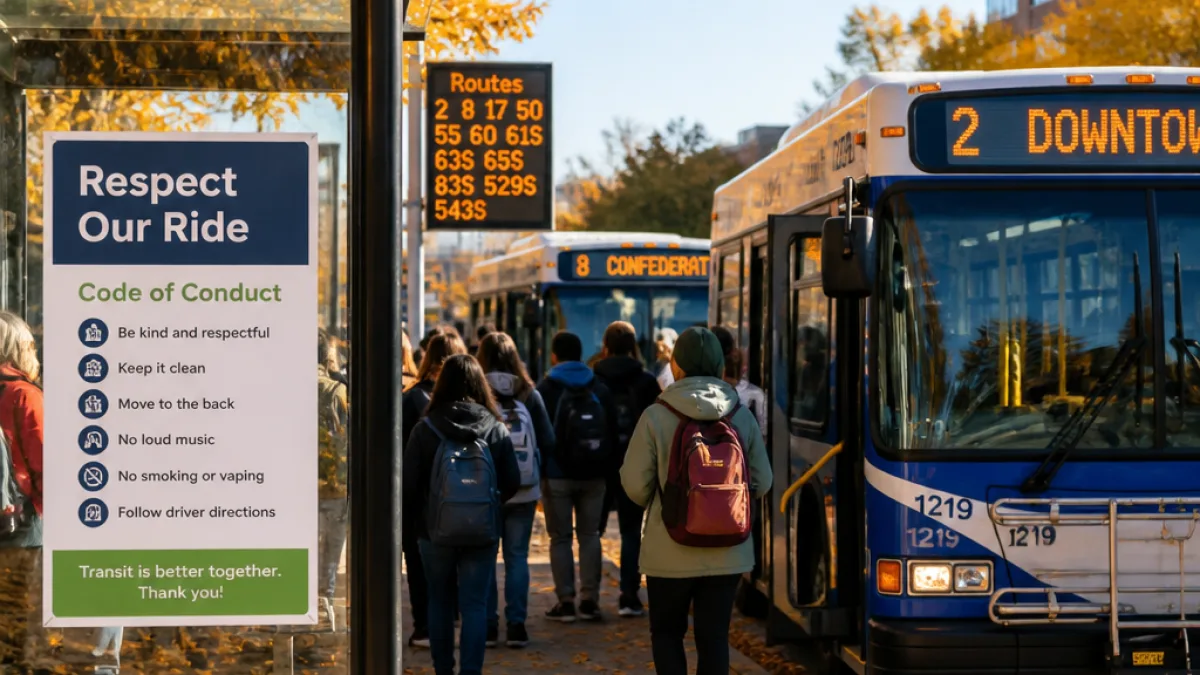
Saskatoon Transit is asking residents to help choose between two different approaches to reorganizing the city's bus network as part of the Link transit transformation. The city has scheduled nine engagement events that began this week so people can review the options and share what matters most to them.
The two scenarios presented — broadly framed as a coverage model and a ridership model — put a different emphasis on who gets close access to stops and which routes run most often.
- Coverage model: resembles the current system, aiming to keep most residents within about five minutes of a bus stop across the city.
- Ridership model: concentrates service on corridors with higher passenger demand, increasing frequency on those routes but leaving fewer people within a short walk of a stop.
Filip Majcherkiewicz, planning manager with Saskatoon Transit, told attendees that under the ridership approach more routes would operate every 15 minutes for extended periods: eight hours a day, seven days a week. That change is designed to give regular riders more reliable, frequent connections on core corridors.
Local riders weigh benefits and trade-offs
Residents at the first open house voiced mixed reactions, weighing the value of frequent service against the need for broad access. Some people said shorter waits and predictable schedules would make transit a more practical choice for commuting and routine trips. Others worried about losing close-by stops in less-dense areas.
"So, waiting at the downtown bus … terminal without heated bus shelters when the temperature is 30 below, that's not a good option,"
That comment came from a transit user considering the changes and highlighting the realities of winter in the Prairies. The trade-off between frequency and coverage is not just theoretical in Saskatoon: extreme cold, long walking distances and the location of jobs and services shape how useful any route map will be for different households.
What the proposals mean for neighbourhoods and riders
The coverage model would preserve a citywide safety net of stops, helping people who live farther from core corridors, including seniors, caregivers and households without vehicles. Conversely, the ridership model aims to create a backbone of high-frequency routes intended to reduce overall travel times and make transit competitive with driving on main streets.
| Feature | Coverage model | Ridership model |
|---|---|---|
| Walk proximity to stop | Most residents within ~5 minutes | Fewer residents within ~5 minutes |
| Frequency on core routes | Lower frequency, broader reach | Higher frequency — some routes every 15 minutes for long stretches |
City planners say the process aims to balance these priorities rather than pick an absolute winner. The engagement events are intended to surface how people use transit now and which trade-offs they find acceptable.
Next steps and how to take part
Saskatoon Transit has circulated details of the scenarios at the open houses and will continue to gather feedback through the remaining events. The input will inform what the city calls the Link transit transformation, a multi-year effort to reimagine routes and service levels.
For riders, the choice is straightforward but consequential: accept reduced proximity in exchange for buses that come more often on main streets, or keep the existing reach of stops and live with less frequent service. The decision will affect commuting patterns, access to employment and services, and day-to-day convenience for many households across the city.
Residents who want their voices heard should attend one of the scheduled engagement sessions or check Saskatoon Transit's consultation page for times and materials. City officials say they will consider the feedback as they refine plans, but the final design will aim to align service with demonstrated demand while taking equity and accessibility into account.
As the city moves through the consultations, riders and community groups will be watching to see how Saskatoon balances the cold-weather realities of prairie life with the desire for a more frequent, dependable transit system.