A Saskatoon-based firm developing a nitrocellulose manufacturing facility in Saskatchewan says it has already secured purchase commitments covering the plant’s first three years of production, a claim that highlights growing interest in domestic sources for ammunition materials amid rising defence spending in Europe and NATO.
Company plans and timeline
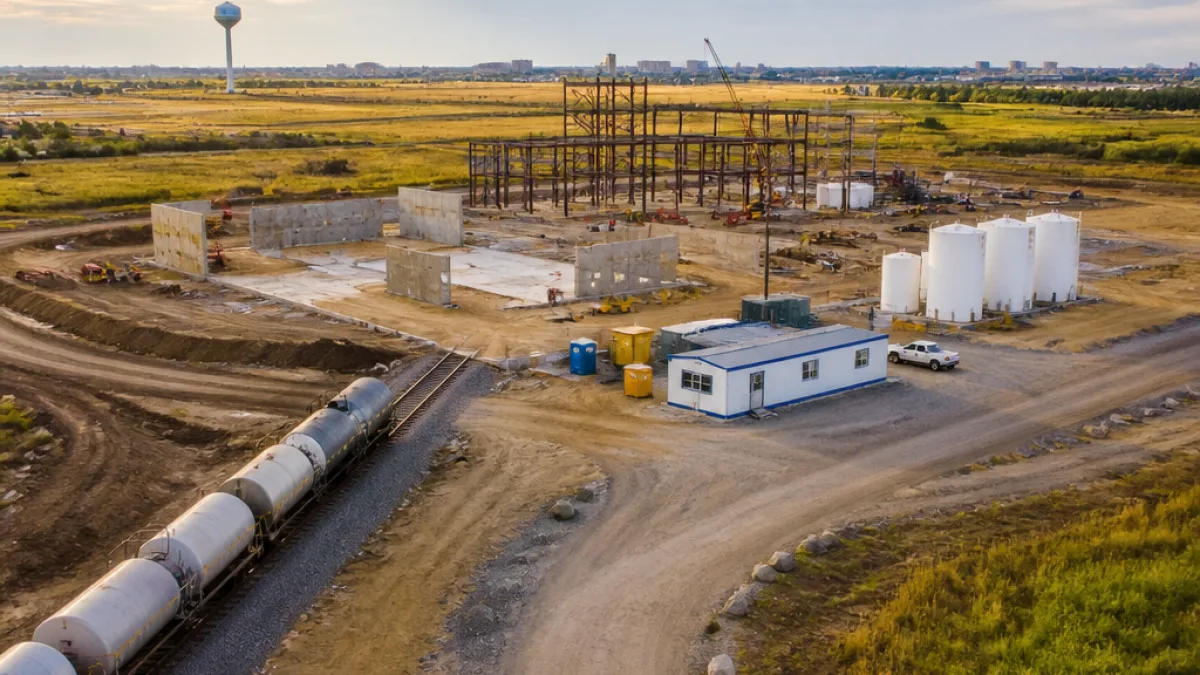
CellCore Technologies expects to begin construction on the proposed plant before October, with first output possible in late 2028 or early 2029, according to company statements. The project is being developed in partnership with Des Nedhe Group Defence, the defence arm of the economic development corporation for English River First Nation. Company and project documents indicate the undisclosed Saskatchewan site already benefits from road and rail access and an available water supply.
“We’ve already pre-sold the first three years of this plant’s production,” chief executive and owner David Brough said, adding that current demand could remain strong for roughly a decade.
What the plant would make and why it matters
The facility is slated to produce nitrocellulose — commonly known as guncotton — a high-purity cellulose derivative that serves as the propellant base for many types of ammunition including artillery and small-arms rounds. While steel-cased shells and other munitions are essential, their usefulness depends on reliable propellant chemistry arriving on time in the supply chain.
European governments and NATO members have prioritised rebuilding ammunition stockpiles since 2022, and recent policy moves underscore that effort. The European Union’s Readiness 2030 plan and member states’ commitments to increase defence spending are driving renewed demand for upstream materials such as nitrocellulose. Canada reported reaching NATO’s previous 2 percent defence spending benchmark in fiscal 2025–26, expanding potential domestic demand for suppliers.
Orders, transparency and market questions
CellCore says the plant’s initial production is already sold, but the company has not publicly identified buyers, prices or the precise terms of those agreements. That lack of disclosure means the durability and enforceability of the pre-sales cannot be independently verified.
Officials involved with the project have framed the Saskatchewan location as strategically advantageous because of existing transportation links and water availability. Industry analysts say availability of feedstock and reliable logistics are critical for upstream propellant production to ease ammunition bottlenecks.
- Pre-sold production: Company claims cover the first three years.
- Construction target: Start before October.
- First output: Late 2028 or early 2029.
- Partner: Des Nedhe Group Defence (English River First Nation economic development arm).
Local and national context
For Saskatchewan, the proposed facility would represent another example of the province hosting resource and manufacturing projects tied to global markets. The partnership with a First Nation economic development organisation reflects a growing trend of Indigenous participation in industrial projects across the Prairies.
At the national level, the plant would plug into broader efforts to secure defence supply chains. European Commission funding calls and NATO procurement drives have explicitly identified nitrocellulose and propellant powders as chokepoints for munitions manufacturing. In practical terms, adding assembly lines for finished ammunition is insufficient if upstream materials remain scarce—making raw-material producers such as CellCore a focal point.
Project snapshot
| Detail | Information |
|---|---|
| Product | Nitrocellulose (propellant base) |
| Developer | CellCore Technologies |
| Partner | Des Nedhe Group Defence (English River First Nation) |
| Site | Undisclosed Saskatchewan location with rail, road and water access |
| Construction start | Planned before October |
| First output | Late 2028 / early 2029 (possible) |
While developers present the project as meeting an urgent market need, the absence of publicly available buyer details and the technical complexities of producing high-purity nitrocellulose mean observers will watch for further disclosure and regulatory approvals as the timeline unfolds. For now, the announcement adds Saskatchewan to a list of jurisdictions positioning themselves within a global effort to shore up defence material supply chains.