David Thauberger, one of Saskatchewan’s most recognised painters and sculptors, died Thursday evening in Regina. He was 78.
Born in 1948 in the small town of Holdfast, about 100 kilometres northwest of Regina, Thauberger spent his life making images that spoke plainly about life on the Prairies. His work hung in galleries and public buildings across Canada and influenced several generations of artists in the province.
From small-town roots to national walls
Colleagues and friends say Thauberger helped define how the Canadian art world understood Saskatchewan. Through paintings and sculptures he documented the province’s growth and the character of its communities, often turning his attention to the architecture and civic spaces that marked that change.
"He was really interested in the province, you know, kind of becoming this growing place," said Belinda Harrow, a former colleague and senior consultant for the Saskatchewan Arts Permanent Collection.
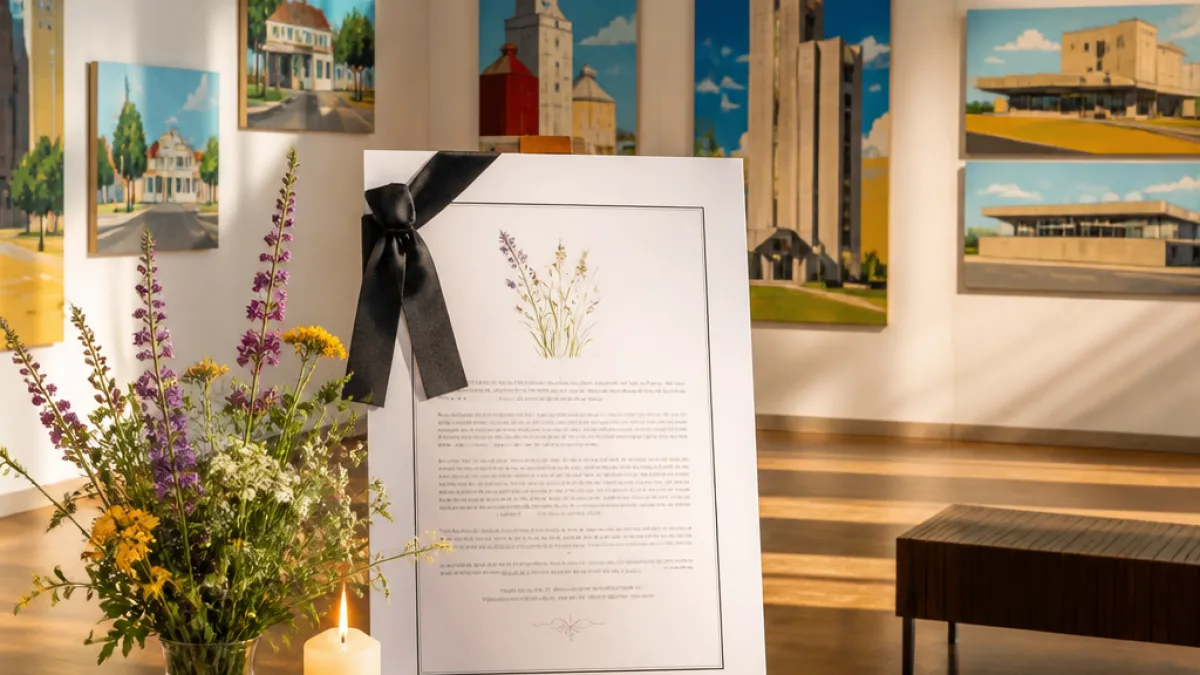
Harrow also highlighted Thauberger’s frequent depiction of modernist and brutalist buildings — forms that she said reflected the culture of an expanding province and its urban centres as the Prairies developed.
What he leaves behind
People who knew Thauberger describe an artist whose practice was rooted in place and community. His paintings and public works became familiar parts of civic life, appearing on the walls of galleries and in public buildings from Saskatchewan to other provinces.
Though the full catalogue of his work and the locations of all public installations will be assembled by galleries and institutions in coming days, those who worked with him emphasise his role as a mentor and an interpreter of the provincial landscape — both built and social.
Confirmed facts
| Fact | Detail |
|---|---|
| Born | 1948, Holdfast, Saskatchewan |
| Died | Thursday evening, Regina (aged 78) |
| Mediums | Painting and sculpture |
| Collections | Galleries and public buildings across Canada |
Family members and fellow artists have begun sharing memories and condolences. In public remarks, colleagues noted he died peacefully after a battle with cancer.
Prairie stories in paint
Thauberger’s art is often described as quintessentially Saskatchewan: straightforward in subject, attentive to local detail and sensitive to changes in community life. His focus on civic architecture — from municipal halls to post-war modern buildings — chronicled an era when the province’s cities and towns were reshaping themselves.
That attention gave his work both documentary value and emotional resonance. For residents who recognised the places he painted, his canvases and sculptures became forms of civic memory.
Reaction from the arts community
Belinda Harrow, who worked alongside Thauberger in the Saskatchewan Arts Permanent Collection, spoke to his curiosity about the evolving province and his tendency to depict its buildings. Others in the arts sector are expected to issue statements and plan events to celebrate his life and work.
- Thauberger was born in Holdfast, Sask., in 1948.
- He died in Regina at the age of 78.
- He painted and sculpted works that appear in galleries and public buildings across Canada.
Institutions that hold his work will likely provide greater detail about the locations and significance of specific pieces in the days ahead. Galleries and municipal collections commonly coordinate to ensure works are preserved and accessible to the public.
What comes next
As Saskatchewan’s arts organisations begin marking his passing, residents can expect tributes in galleries and possibly public commemorations. For many, Thauberger’s images will remain a reference point for how the province has changed over a lifetime.
Those who want to express condolences or learn more about his life and work should watch for announcements from local galleries and the Saskatchewan Arts Permanent Collection, which has been involved with his work and with colleagues who knew him personally.
David Thauberger’s art made the Prairies visible in ways that resonated beyond their borders. His paintings and sculptures — plain in manner but rich in local detail — helped tell the story of a province that has been changing for decades. That record, stitched into the walls of public spaces and the collections of galleries, will remain part of Saskatchewan’s cultural fabric.