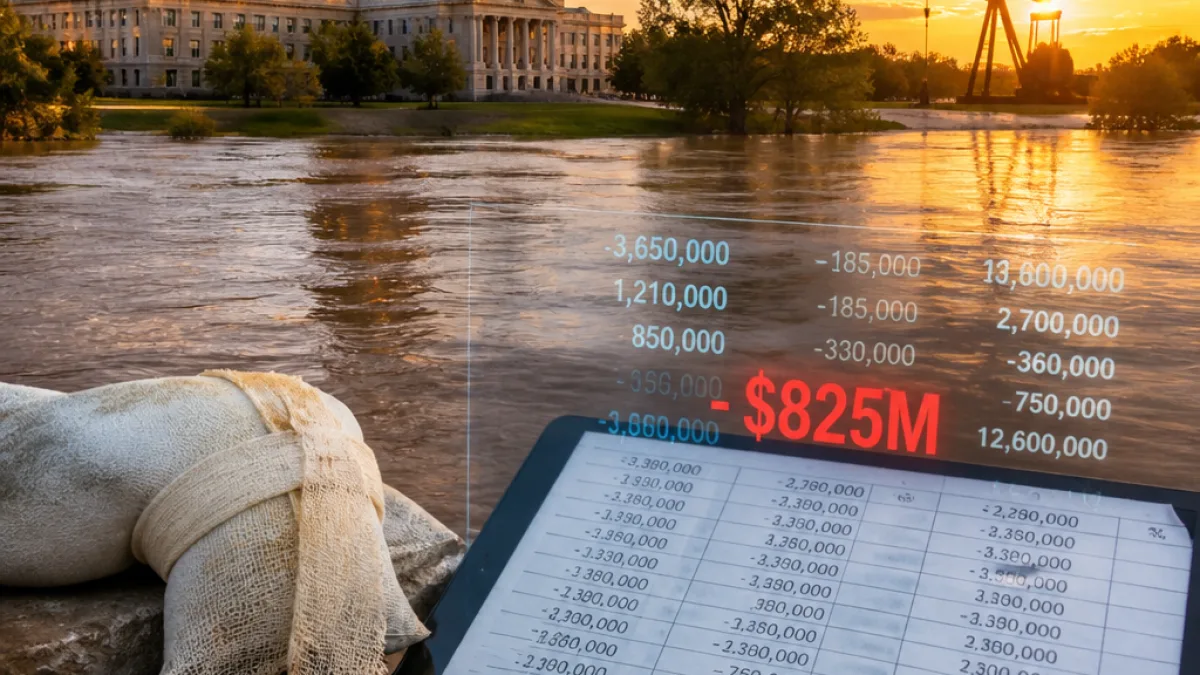
The provincial government’s first-quarter financial update projects an operating deficit of $825 million for 2026–27, a shortfall that officials say remains close to the number set out in the budget earlier this year.
Numbers at a glance
The government says total revenue for the year is forecast at $21.7 billion, while total expenses are expected to reach $22.6 billion, producing the projected gap. The province’s reported figures show both revenue and expenses have changed since the budget was tabled.
| Measure | Amount |
|---|---|
| Projected operating deficit (2026–27) | $825 million |
| Total revenue (forecast) | $21.7 billion |
| Total expenses (forecast) | $22.6 billion |
| Increase to revenue vs. budget | $331 million |
| Increase to expenses vs. budget | $337 million |
| Net debt-to-GDP ratio (projected March 31, 2027) | 14.9% |
What’s driving the gap
The finance update attributes most of the revenue increase — about $331 million — to higher-than-expected non-renewable resource receipts. That is principally linked to a rise in oil price expectations. The province raised its West Texas Intermediate price outlook to US$75.00 per barrel, up from the budget forecast of US$59.75, citing market impacts from the ongoing conflict in the Middle East.
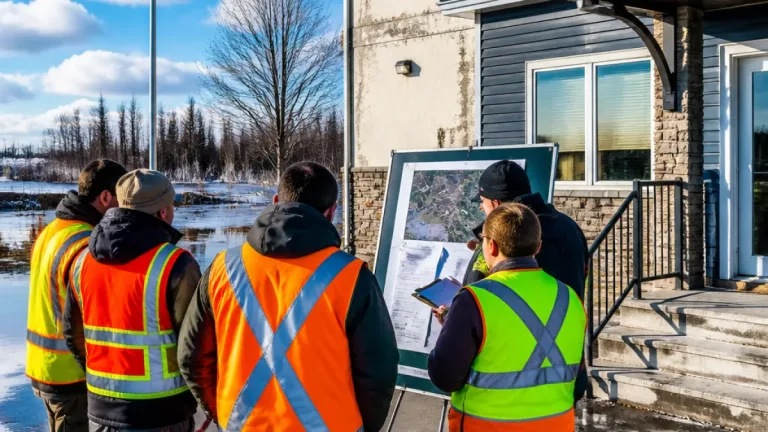
On the expense side, the province forecasts total spending to be $337 million higher than the budget anticipated. Officials point to mounting pressures in the health-care system — including growing service demand, inflation and compensation costs — as the main driver. The government also flagged costs related to spring flooding and higher Crop Insurance claims tied to unseeded acres caused by excess moisture.
- Oil price improvement boosted revenue forecast by about $320 million.
- Health-care cost pressures and flood response/insurance claims added to expense forecasts.
- SaskPower borrowing needs are expected to increase total gross debt by roughly $65 million.
Government response and fiscal outlook
Finance Minister Jim Reiter signalled the government intends to return to balance by combining fiscal prudence with continued funding for core services, including health and education.
“We’re going to get back to balance in two ways. One is we’re going to have to be fiscally prudent, but we’re also going to ensure health care is properly funded, education is properly funded.”
Officials also pointed to an improved economic outlook since the 2026–27 budget was released, noting stronger construction activity and a firmer commodity picture. The province expects real gross domestic product (GDP) growth to keep Saskatchewan among the fastest-growing provincial economies over the next two years — an outlook that helps explain a projected improvement in the province’s net debt-to-GDP ratio to 14.9 per cent at March 31, 2027, down from the 16.1 per cent projection in the budget.
The government added that Saskatchewan continues to hold the highest provincial credit rating in Canada and that the lower net debt-to-GDP figure would place the province second-best among its peers.
Opposition and watchdog reactions
The financial update drew criticism from opposition parties and fiscal watchdogs, who pointed to larger-than-expected deficits in recent years. The NDP highlighted a trend of final budget results departing from projections by more than $1 billion over the past three years, with Shadow Finance Minister Trent Wotherspoon calling the accuracy gap a credibility problem.
“When you are routinely off by a billion dollars, you have a serious credibility problem.”
The Canadian Taxpayers Federation also issued a statement drawing attention to the province’s rising debt since the current government took office.
What this means for Saskatchewan residents
For residents, the update signals modestly stronger revenues balanced by rising service costs and disaster recovery spending. Health-care funding and flood recovery remain immediate fiscal pressures that could affect program decisions in the months ahead. The province’s plan to rely on revenue growth and spending restraint to return to balance leaves much of the path forward dependent on economic performance — particularly commodity prices — and the cost trajectory of the health sector and insurance claims.
Provincial officials will release the full first-quarter financial report for public review; the government says the document outlines the detailed adjustments behind the headline numbers.