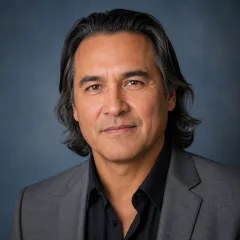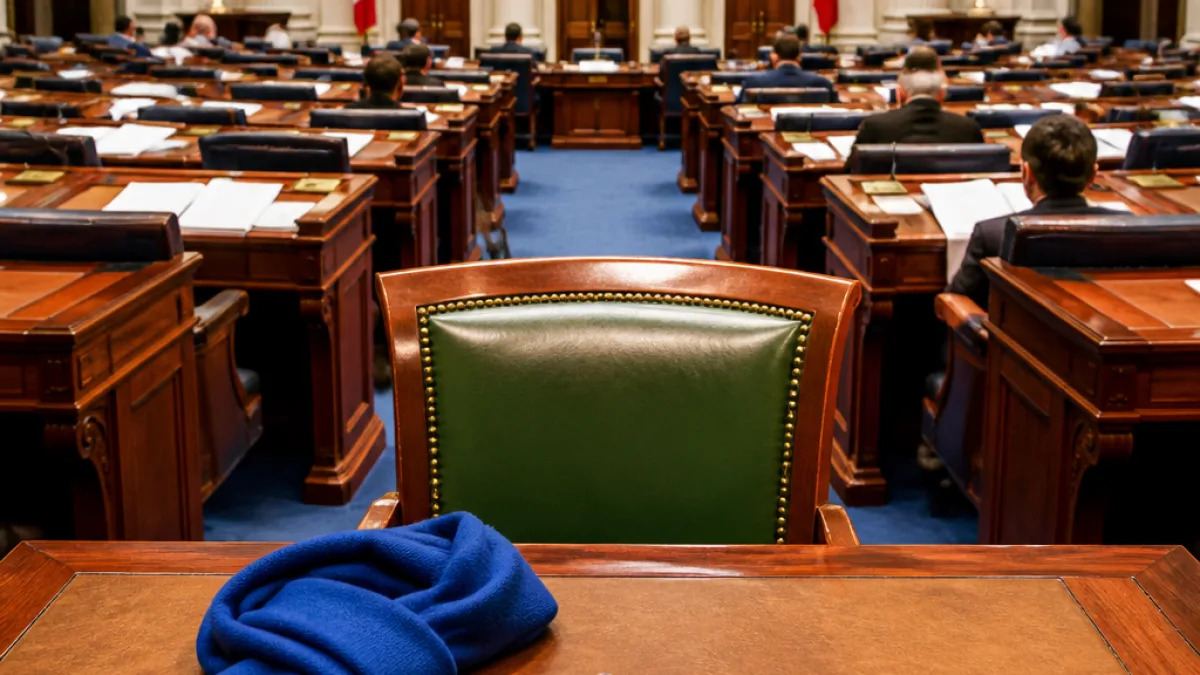
The Manitoba Progressive Conservative caucus was left scrambling Tuesday after Obby Khan unexpectedly resigned as party leader and announced he would leave the PC caucus to sit as an Independent. The move came just as the provincial legislature resumed sitting.
Immediate fallout and numbers in the chamber
Khan’s departure reduces the official Tory caucus to 19 seats in the 57-seat legislature, compared with the New Democratic Party’s 34, while the Liberal member holds one seat and there are now three Independents, including Khan.
| Party / Status | Seats |
|---|---|
| New Democratic Party (NDP) | 34 |
| Progressive Conservative (PC) | 19 |
| Liberal | 1 |
| Independents | 3 |
The PC caucus scheduled a morning meeting to select an interim leader to represent the party in the legislature. The party’s board also planned to meet to begin the process of selecting a permanent leader.
Why Khan left: internal feuding, he says
In a briefing inside his legislature office, Khan — a former CFL player who became leader of the opposition — said internal fighting had become intolerable. He said he wanted to continue working for Manitobans but could not remain while members of his own party undermined him.
“I want nothing more than to keep fighting for the people of this province and for a better Manitoba, but I will not fight my own party or caucus.”
He also told reporters he would not “sacrifice [his] principles to keep this title” and cited a minority within caucus that he said lacked “moral integrity” and worked to erode his leadership.
Political context and implications
The next provincial general election is scheduled for October 2027, more than a year away. Political observers say Khan’s exit complicates the Conservatives’ ability to present a unified opposition and to prepare for the campaign.
Christopher Adams, an adjunct professor of political science at the University of Manitoba, told reporters the resignation was not entirely surprising in light of broader trends: Premier Wab Kinew’s polling strength and the PCs’ recent struggles in Winnipeg. Adams said the party needs to reclaim suburban Winnipeg to change its fortunes and suggested a leader capable of appealing to urban voters could help.
What this means for the legislature and Manitobans
- Legislative dynamics: With the NDP holding a clear majority, government business will not likely be impeded, but a weakened opposition may struggle to effectively scrutinize legislation.
- Public perception: The resignation fuels questions about party stability ahead of a scheduled election and may affect voter confidence in the PCs.
- Leadership timeline: The party must choose an interim parliamentary leader quickly to handle day-to-day responsibilities in the house; a broader leadership process will be required to replace Khan permanently.
The PCs released a brief two-line statement acknowledging Khan’s departure and confirming the party board would meet to begin selecting a new leader. The deputy caucus chair said the caucus would meet to choose a house leader for the short term.
Reaction and next steps
Premier Wab Kinew’s office declined to comment on Khan’s announcement. Within PC ranks, the immediate priority is to appoint someone to speak for the party during question period and to organise caucus business.
Political strategists note that an interim leader will have limited ability to reshape party fortunes. The party’s longer-term prospects will depend on who emerges as permanent leader, how the PC board manages the selection process, and whether the party can repair internal divisions before the election campaign begins.
For Manitobans, the change underscores the volatility within provincial politics. Voters heading to municipal ballots this fall and those watching the provincial scene will now see a reconfigured opposition as the legislature resumes its work.
As the PCs prepare to convene and name an interim leader, questions remain about which figures within the party will step forward to stabilise the caucus and rebuild trust with urban voters in and around Winnipeg. Those developments will be central to the party’s strategy heading into the next year of political life in Manitoba.