
Questions raised about ankle monitors after alleged $140,000 thefts
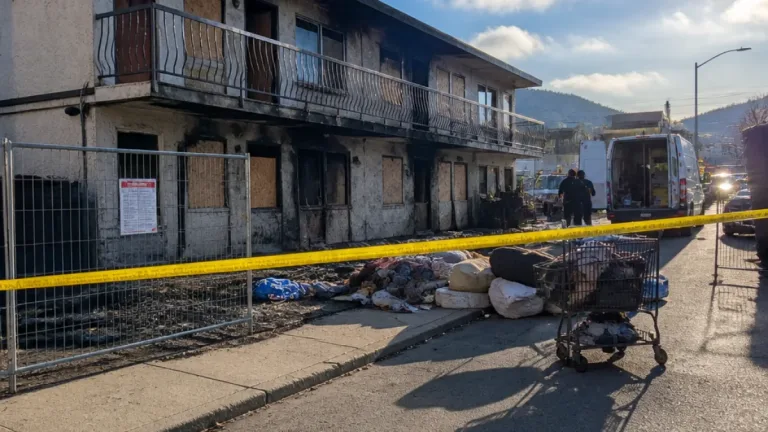
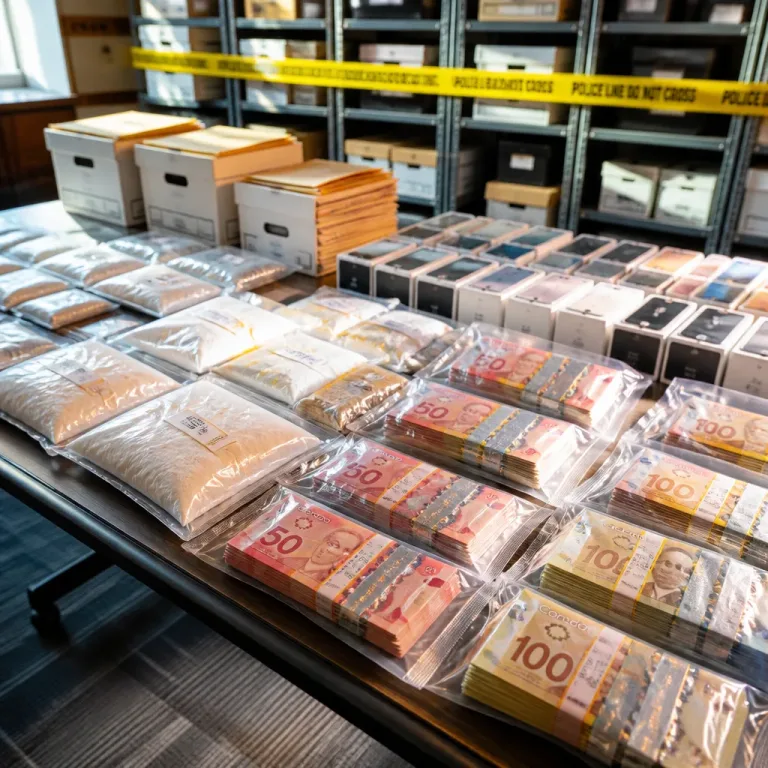
Two men wearing court-ordered electronic monitoring bracelets were arrested Tuesday in relation to a string of commercial break-ins in Winnipeg and Headingley that police say resulted in about $140,000 worth of stolen items. The case has renewed debate over the effectiveness of ankle-monitor programs as a tool for supervising people who remain in the community while awaiting trial or serving conditional sentences.
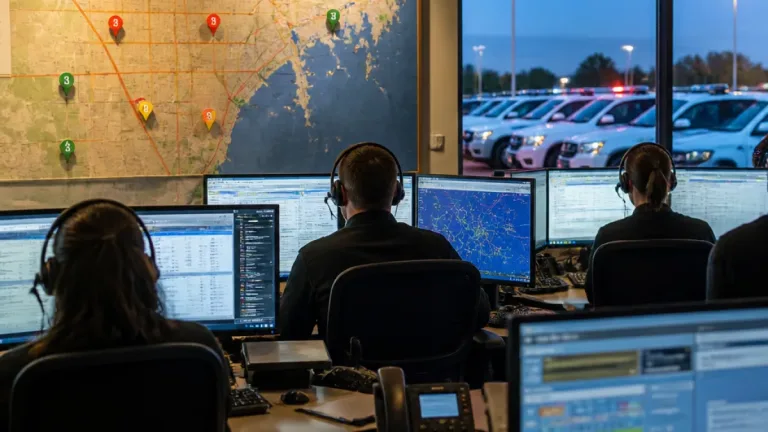
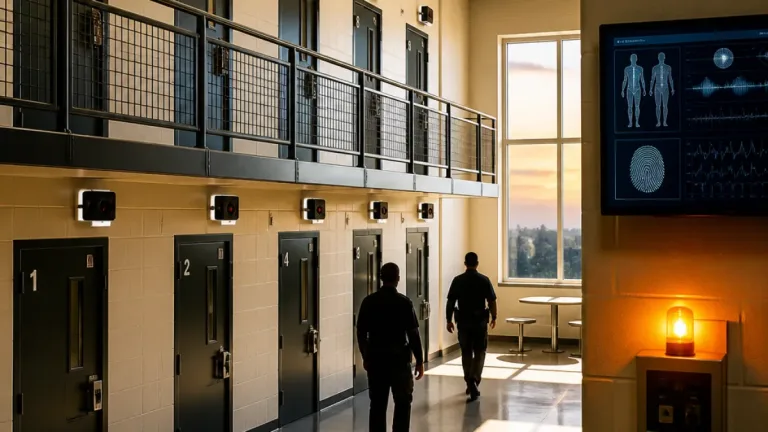
Provincial officials say monitoring devices use GPS to report an offender’s location in real time and can trigger alerts if someone enters prohibited areas. Despite that capability, the arrests in Winnipeg have exposed limitations in preventing or stopping alleged offending while people remain subject to electronic supervision.
“There’s no guarantee that anyone will not re-offend. There’s no guarantee that the police or corrections agents will roar off as soon as someone violates,”
said Michael Weinrath, a criminal-justice professor at the University of Winnipeg.
Scope of the program and recent data
On Tuesday, a provincial spokesperson told media there are 194 ankle monitors in use across the province. The province also reported that in October 2025, approximately 60 per cent of individuals monitored with ankle bracelets were rearrested and registered breaches.
| Program detail | Reported figure |
|---|---|
| Number of monitors in use | 194 |
| Rearrest and breach rate (Oct 2025) | 60% |
| Alleged value of stolen goods (Winnipeg/Headingley incidents) | $140,000 |
What the arrests mean for Winnipeg
For business owners and residents, the alleged break-ins highlight the practical challenges of supervising people in the community. The public expects electronic monitoring to reduce the risk of re-offending, but experts caution it is not a fail-safe. The province’s system can provide location data and alerts, but that information still requires timely review and response by corrections staff and police if conditions are breached.
Police have charged two men with breaking and entering and theft. Details on the identities of those charged or any court dates were not provided in the initial coverage. Investigators have not publicly linked the monitoring alerts — if any were triggered — to the detection or timing of the arrests.
- Community impact: Businesses affected by break-ins face loss and disruption; a visible failure of monitoring can erode public confidence.
- System capacity: With fewer than 200 devices reported in use, questions remain about resources for monitoring and follow-up.
- Policy scrutiny: The 60 per cent rearrest and breach figure cited by the province in October 2025 will likely be cited in discussions about program improvements.
Looking ahead
Officials from the provincial corrections authority and police will be under pressure to explain how alerts are managed and what steps are being taken to prevent recurrences. The arrests serve as an immediate reminder that electronic monitoring is one component of supervision — its effectiveness depends on staffing, response protocols and integration with policing resources.
As the justice system balances community safety with alternatives to custody, Winnipeg residents and local businesses will be watching for how the province adjusts oversight or accountability measures for monitored individuals. For now, the case underscores the limits of technology alone in preventing crime and the ongoing need for systems that ensure timely responses when breaches occur.