The Thunder Bay Police Service recorded 1,096 calls for service between Sept. 20 and 26, according to the service’s latest weekly figures — a total that sits between similar summer reporting periods and reflects a shifting mix of incident types.
"Thunder Bay Police Service officers responded to 1,096 calls for service between Sept. 20 and 26, 2026."
Those calls included 72 motor-vehicle collisions, 45 intimate-partner violence calls and 45 Mental Health Act calls. The weekly update also shows higher counts for weapons-related incidents compared with a July reporting period previously covered by local media, while break-and-enter and robbery calls declined.
What the numbers show
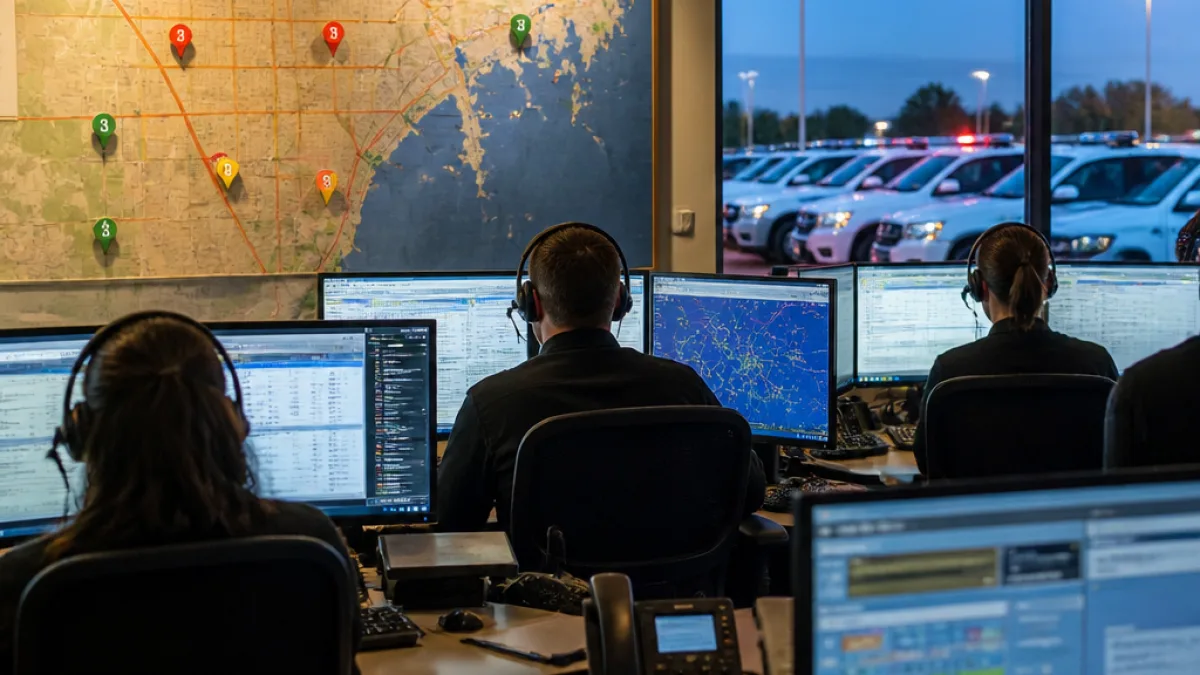
The city’s police communications centre handled a much larger volume of telephone traffic beyond incidents attended by officers. During the same week, communications staff processed 4,241 telephone calls, of which 1,902 were direct calls to 911. That works out to roughly 606 telephone calls a day, including about 272 direct 911 calls daily.
- Average officer calls for service: approximately 157 per day.
- Communications calls are a separate measure and do not equal individual incidents attended by officers.
- Compared with NetNewsLedger’s earlier weekly snapshots, Sept. 20–26 falls between a June week (1,160 calls) and a July week (1,081 calls).
Comparisons with summer reporting weeks
NetNewsLedger’s coverage of prior weeks provides a focused comparison rather than a season-wide average. Key differences with the July 19–25 reporting week include increases in collisions, Mental Health Act calls and weapons incidents, and decreases in break-and-enter and robbery reports.
| Category | July 19–25 | Sept. 20–26 | Change |
|---|---|---|---|
| Motor vehicle collisions | 59 | 72 | +13 |
| Intimate partner violence | 53 | 45 | −8 |
| Mental Health Act calls | 22 | 45 | +23 |
Local context and implications
For Thunder Bay residents, the rise in collisions and Mental Health Act calls has practical consequences: it affects emergency-response workloads, road safety enforcement priorities and the demand for crisis-intervention resources. With communications staff fielding more than 600 calls a day during the week in question, the pressure on 911 operators and dispatch systems is clear.
Police-week totals can fluctuate for a range of reasons — weather, special events, seasonal mobility and community stressors among them. The Sept. 20–26 figures do not represent a long-term trend in isolation, but they signal areas where city agencies and community partners may want to focus attention.
Road safety advocates will note the higher collision count when considering enforcement and education. Mental-health advocates and service providers may point to the near-doubling of Mental Health Act calls compared with the selected July week as a call to review capacity for urgent mental-health response and diversion alternatives to police attendance.
Officers continue to balance routine calls, crisis responses and collision investigations. Residents concerned about specific neighbourhood issues or patterns are encouraged to consult the Thunder Bay Police Service’s public reporting and to contact police non-emergency lines for ongoing concerns; direct emergencies should continue to be reported via 911.
As the city heads into fall, municipal officials, health providers and community groups will be watching whether these weekly figures stabilise, rise or fall and how that affects service delivery across policing, paramedic and mental-health systems.