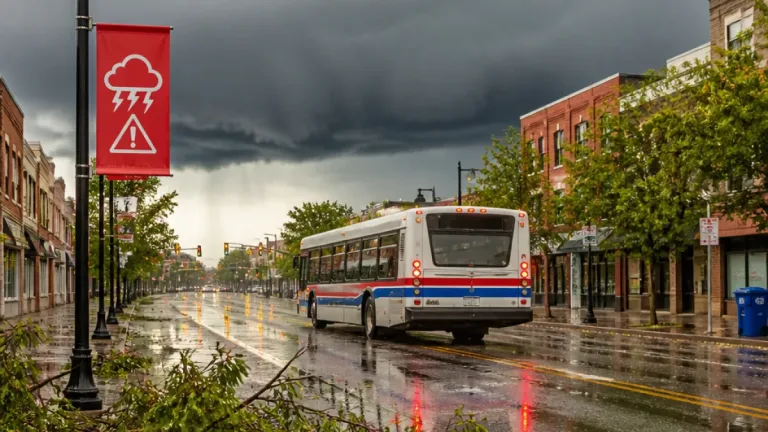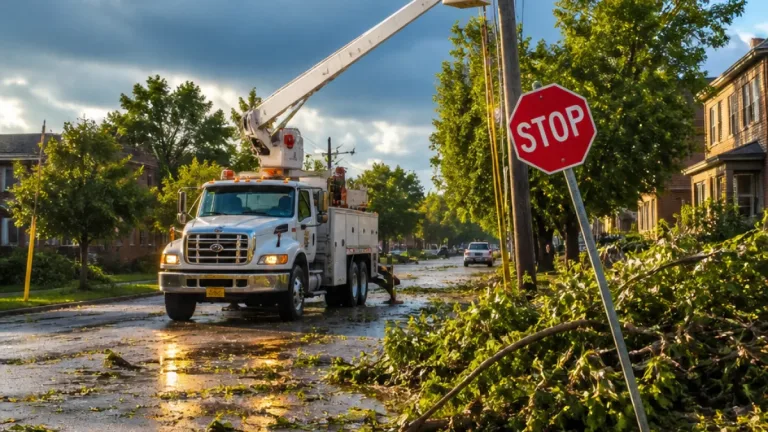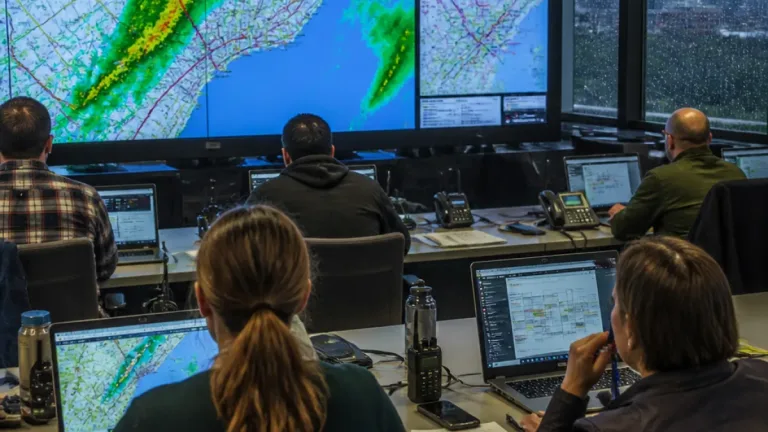
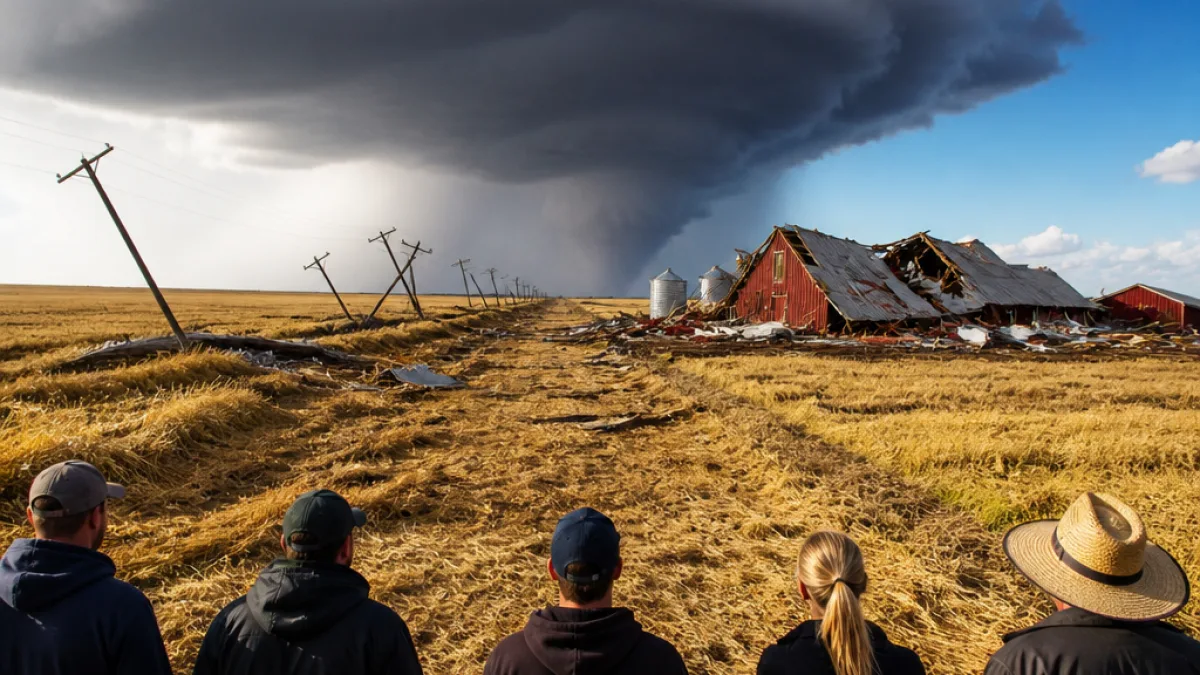
Environment and Climate Change Canada confirmed a tornado touched down roughly five kilometres south of Maryfield, Saskatchewan, late Sunday afternoon as a line of thunderstorms raced eastward across the southern Prairies.
Where and when the twisters struck
The agency said the twister occurred near Maryfield — a community about 250 kilometres east of Regina — at approximately 4 p.m. on Sunday. A team from the Northern Tornadoes Project (NTP) is also investigating storm damage and eyewitness reports near Kelso, about 45 kilometres from where the Maryfield tornado was confirmed.
- Maryfield, Sask. — tornado confirmed, touched down ~5 km south of town at about 4 p.m. Sunday.
- Kelso area, Sask. — NTP investigating reports of a possible tornado.
- Elkhorn, Man. — at least one tornado confirmed more than 300 km west of Winnipeg.
Dave Phillips, senior climatologist with Environment and Climate Change Canada, told media outlets that Manitoba saw a tornado during the same storm system, while the province of Manitoba has experienced more than the usual number of twisters this summer.
How the storms developed
Research meteorologist Dylan Painchaud‑Niemi with the Northern Tornadoes Project described the setup as a line of storms that formed over Saskatchewan in the late morning and afternoon and then pushed east toward the Manitoba border. He said additional storms formed ahead of that line, creating conditions that prompted tornado warnings.
"(The weather) was conducive for tornado development, and one did produce," Painchaud‑Niemi said in an interview.
Environment and Climate Change Canada meteorologist Terri Lang said the heaviest rainfall fell in southeastern Saskatchewan near the Manitoba border. Lang noted the system drew moisture from the south as it deepened while moving across Saskatchewan — an ingredient often needed for severe thunderstorms.
"It brought in some moisture from the south and that’s really what spawned these thunderstorms," Lang said, adding that such storms typically occur in early summer rather than at the end of August.
Investigations and next steps
The Northern Tornadoes Project has dispatched teams to assess damage patterns and confirm whether additional funnels touched down. Those ground surveys help determine a tornado’s path, intensity and whether any damage was caused to structures or crops.
Environment and Climate Change Canada continues to review radar, storm reports and eyewitness accounts to finalise confirmations. Officials corrected an earlier report that had misstated the number of confirmed twisters; as of Monday afternoon, two tornadoes were confirmed across the region.
| Location | Province | Proximity / note |
|---|---|---|
| Maryfield | Saskatchewan | 5 km south; ~250 km east of Regina; ~4 p.m. Sunday |
| Kelso area | Saskatchewan | NTP investigating reports (approx. 45 km from Maryfield) |
| Elkhorn | Manitoba | Confirmed; >300 km west of Winnipeg |
What this means for local residents
Late‑season severe storms are a reminder that residents across the southern Prairies should stay alert during high‑risk weather days. Environment and Climate Change Canada issues tornado warnings and severe thunderstorm watches that are distributed through local broadcaster alerts, mobile phones and community warning systems.
After a tornado, assessments by agencies such as NTP and ECCC help guide recovery and insurance claims. Homeowners and farmers who suspect damage should document it with photographs, report losses to their insurers and follow advisories from local emergency-management officials.
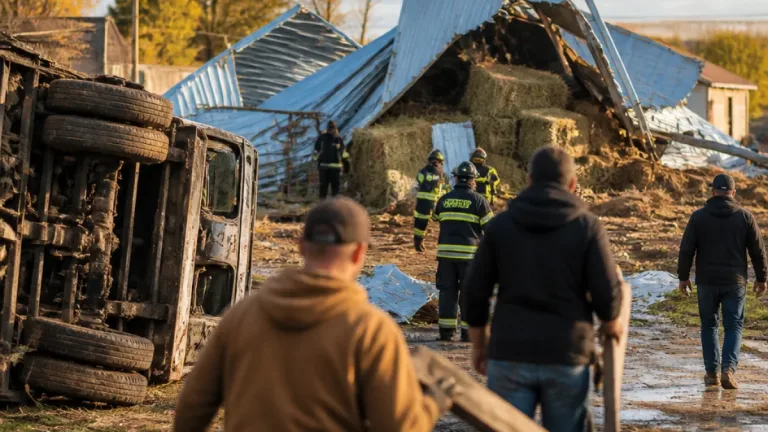
At this stage, authorities have not released details of injuries or significant structural damage linked to the Maryfield touchdown. Investigators will publish findings once surveys are complete and data are analysed.
As the Prairies move into harvest season, agencies caution that damaging wind, hail and heavy rain accompanying such storm systems can affect crops and rural infrastructure, making timely reporting and inspection important for agricultural producers.
WE NEWS will continue to monitor updates from Environment and Climate Change Canada and the Northern Tornadoes Project as more information becomes available.