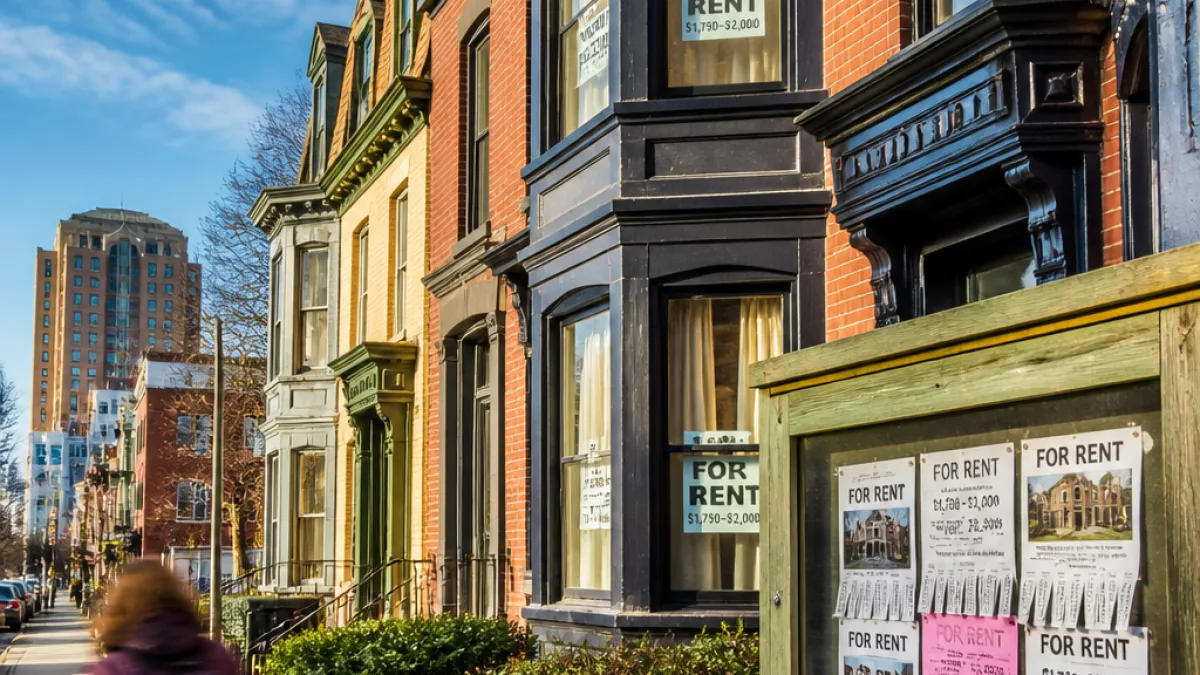
HALIFAX — A modest one-bedroom near Dalhousie University advertised for $1,750 a month points to a wider trend: Nova Scotia has become the province with the highest average asking rents in Canada, a shift that is reverberating through cities and towns across the province.
Numbers on the rise
Listings on major rental networks show several one-bedroom apartments in Halifax clustered around the $1,750–$2,000 range, with some properties asking more. By comparison, five years ago similar money would commonly have covered a two-bedroom unit.
Industry analysis from Rentals.ca and Urbanation found Nova Scotia’s landlords’ average asking rent reached $2,356 in August — a 3.1 per cent increase year over year — even as the national average declined by 4.8 per cent over the same period. The Atlantic province has held the top spot for asking prices for several months.
| Metric | Value |
|---|---|
| Sample Halifax one-bedroom listing (current) | $1,750 |
| Average asking rent, Nova Scotia (Aug) | $2,356 |
| Average single-bedroom, Halifax (Sept 2021) | $1,574 |
| Average two-bedroom, Halifax (Sept 2021) | $2,041 |
Why rents are climbing
Observers point to multiple forces: limited tenant protections, rising costs for building operation and construction, and an imbalance between supply and demand. The rise in asking rents has accelerated markedly in recent years, according to rental-market watchers.
"Nova Scotia rents have risen every year since 1990, but the pace has really stepped up sharply since 2019," said a spokesperson for Rentals.ca.
Legal aid and tenant advocates emphasise two policy features they say amplify tenant vulnerability: the province’s use of fixed-term leases that do not automatically roll over, and the maximum five per cent cap on rent increases in designated circumstances. They argue the combination can leave renters exposed when leases expire and landlords seek new rates.
- Limited supply in desirable neighbourhoods near schools and services is pushing new and returning renters into smaller units at higher prices.
- Higher operating and construction costs are translating into steeper asking rents as owners try to cover expenses.
- Provincial rules around leases and allowable increases are seen by some advocates as tilting power toward landlords.
Local impact and context
For students, young professionals and families, the change is tangible: units within walking distance of Dalhousie and other amenities are now often beyond what many renters previously budgeted. Even in buildings outside core downtown areas, asking prices have been climbing.
Landlords and developers point to their own pressures. Rising interest rates, insurance premiums and construction costs have all been cited in industry commentary as drivers of higher asking rents — factors that reduce margins or raise the bar for new supply to come online.
What renters should know
Renter advocates suggest tenants keep careful track of lease end dates and be prepared to negotiate or seek advice when a fixed-term lease is set to expire. Community legal services and tenancy advocacy groups can provide information on rights and potential supports.
Policy responses are likely to be debated in coming months. Municipal and provincial authorities must weigh measures that could increase supply — such as incentives for purpose-built rental housing — against proposals to strengthen tenant protections and stabilize monthly costs.
For now, the data shows a clear shift: Nova Scotia is no longer an outlier for bargain rents. The province is at the forefront of a national market in which renters, landlords and policymakers will be watching closely as the autumn and winter listing cycles unfold.