
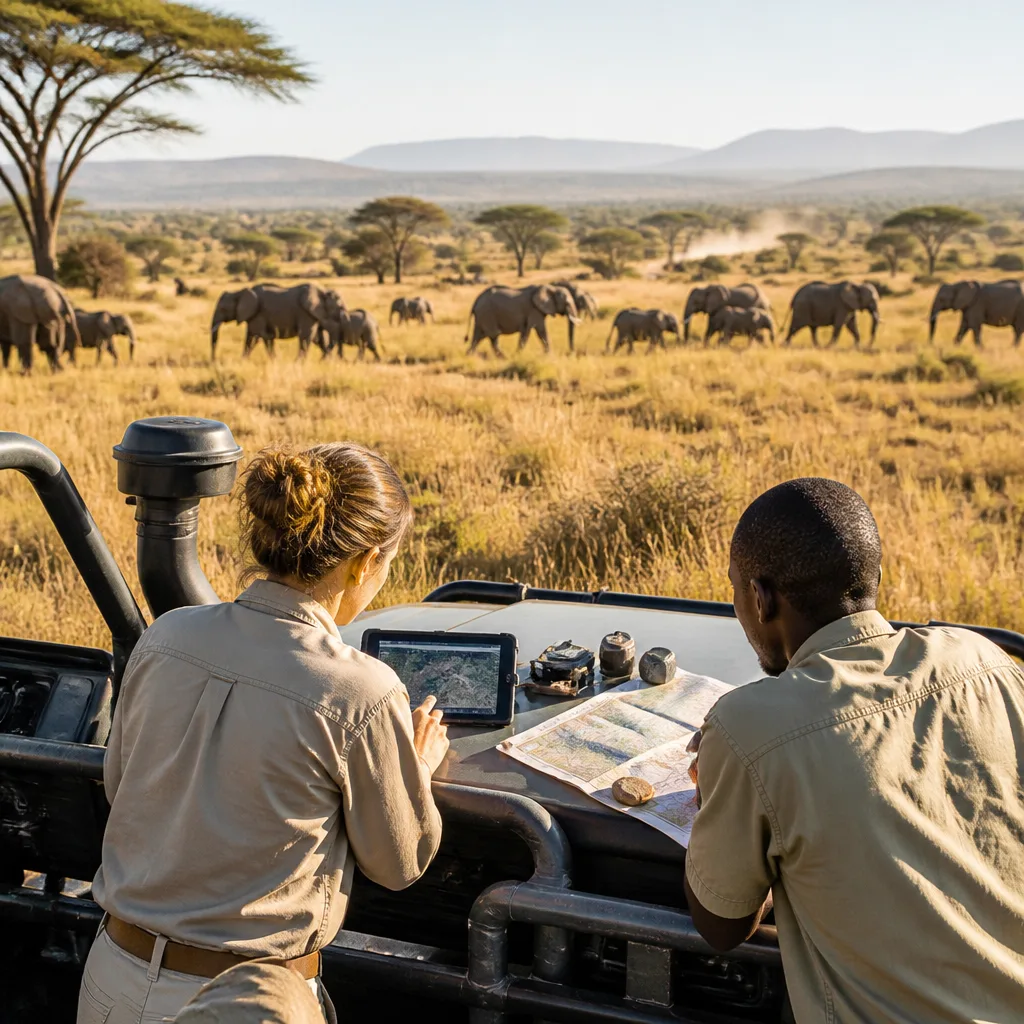
Zimbabwe has reiterated its commitment to managing its elephant population through science-led measures, sustainable use and community-centred conservation, the Zimbabwe Parks and Wildlife Management Authority (ZimParks) said on World Elephant Day 2026.
Science-led management at the centre
ZimParks spokesperson Luckmore Safuli said the country remains committed to conserving its elephants using a combination of population surveys, ecological monitoring and anti-poaching work. Zimbabwe is home to an estimated 100 000 African savanna elephants, one of the continent’s largest national populations, the authority said.
“Zimbabwe joins the global community in commemorating World Elephant Day, reaffirming its commitment to conserving one of Africa’s most iconic species through science-based management, sustainable utilisation and community-centred conservation,”
The authority highlighted its implementation of the Zimbabwe Elephant Management Plan, which sets out targeted actions intended to maintain viable elephant populations while protecting habitats and supporting communities living alongside wildlife.
Practical measures listed
ZimParks listed a range of interventions that form the backbone of its current strategy. These include:
- Aerial and ground population surveys — to estimate numbers and distribution;
- Ecological monitoring — to track habitat condition and ecological impacts;
- Anti-poaching operations — to reduce illegal killing and trade;
- Habitat management — to maintain or restore areas that support elephants;
- Wildlife disease surveillance — to detect and manage disease threats; and
- Measures to reduce human–elephant conflict — to protect livelihoods and reduce retaliatory killings.
These measures reflect a mix of scientific monitoring and on-the-ground interventions intended to be mutually supporting: better data informs management choices, while community initiatives aim to build local support for conservation.
Community programmes and regional cooperation
The spokesperson emphasised community-based natural resource management as central to Zimbabwe’s approach. He named the CAMPFIRE programme specifically, noting that such initiatives enable communities to derive benefits from tourism, sustainable wildlife use and conservation enterprises while taking part in protection activities.
ZimParks also pointed to cross-border collaboration through the Kavango–Zambezi Transfrontier Conservation Area (KAZA TFCA), which promotes joint management of migratory and transboundary wildlife populations. Such cooperation is intended to support coordinated anti-poaching activity, landscape-level habitat management and shared monitoring.
| Activity | Purpose |
|---|---|
| Aerial and ground surveys | Estimate population size and distribution |
| Ecological monitoring | Assess habitat condition and ecological impacts |
| Anti-poaching operations | Reduce illegal killing and trade |
| Community-based programmes (CAMPFIRE) | Provide local benefits and incentives for conservation |
Context and implications
Zimbabwe’s statement situates the country within broader continental and international efforts to secure elephant populations. The combination of science-based monitoring, law enforcement and community engagement is a commonly recommended strategy in conservation science because it addresses both ecological drivers and human incentives.
Maintaining an estimated 100 000 elephants carries logistical and financial challenges — for instance, the need for regular surveys, veterinary and disease surveillance capacity, and sustained anti-poaching resources. Community schemes such as CAMPFIRE link conservation outcomes to local livelihoods, which can reduce conflict and increase tolerance for elephants when benefits are visible and well-managed.
Regional mechanisms such as the KAZA TFCA are designed to manage wide-ranging species at the appropriate landscape scale. These arrangements require cooperation on data sharing, coordinated enforcement and harmonised policies among participating countries.
ZimParks’ public reaffirmation on World Elephant Day 2026 reiterates commitments many Southern African countries have made: to use evidence-based tools alongside community partnerships and regional collaboration to sustain elephant populations while reducing harms to people and habitats.









