Scientists working in the Dzanga‑Sangha Protected Areas of the Central African Republic are using DNA extracted from elephant dung to count and track African forest elephants, a technique that can identify individuals without capturing or directly observing the animals. The approach aims to clarify how many elephants remain, where they move and how populations are changing in the face of poaching and habitat loss.
Non‑invasive genetics to monitor a hidden species
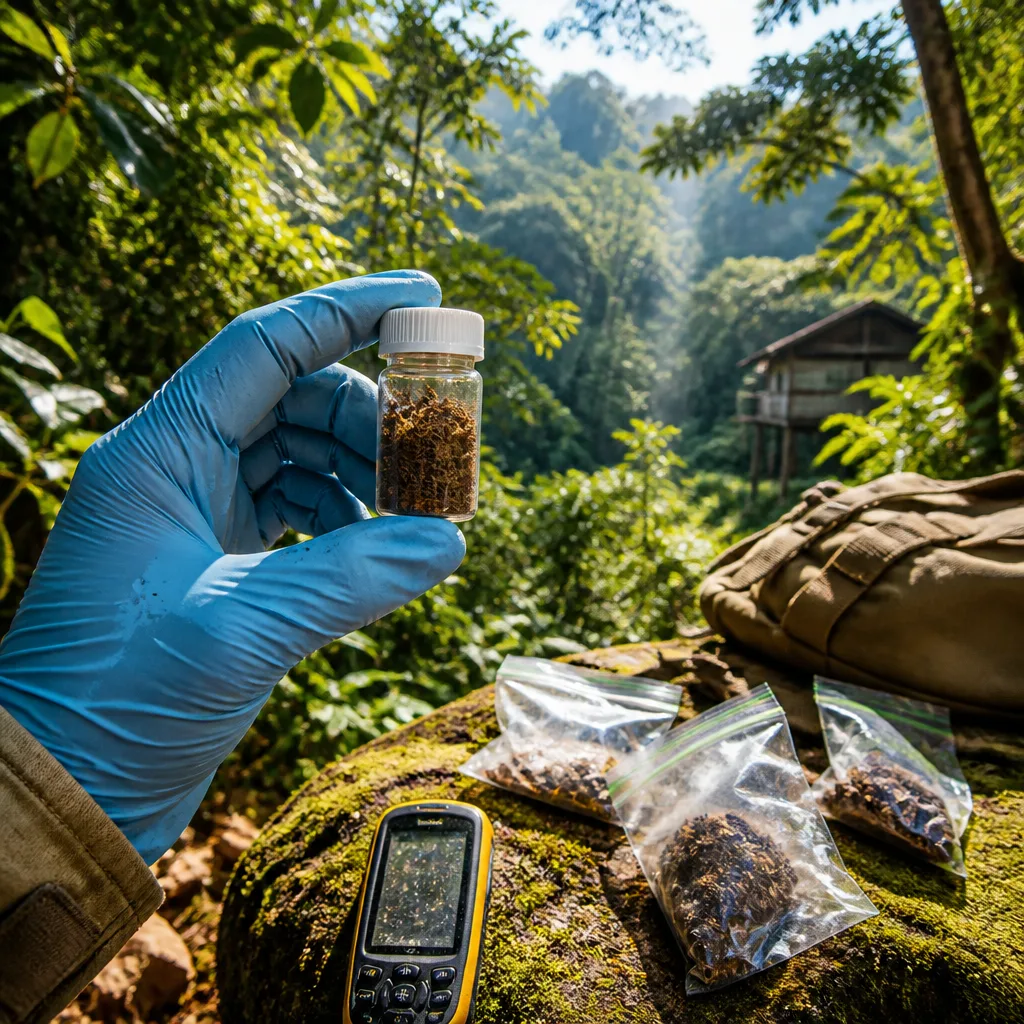
Forest elephants live in dense, often inaccessible habitat. That makes them hard to survey using traditional visual counts. Researchers collect dung samples across the forest, then extract genetic material contained in those samples. By comparing DNA profiles, scientists can determine whether different samples came from the same animal or from distinct individuals. Repeated sampling at the same sites over time allows teams to track individual movements, detect new arrivals or local disappearances, and estimate population trends.
This work is taking place amid troubling population declines. The World Wildlife Fund is cited for an estimate that only around 135,000 forest elephants remain in the wild. Large‑scale poaching in Central and West Africa in the early 21st century is estimated to have killed roughly two‑thirds of forest elephants in those regions. The new genetic monitoring is intended to give conservationists a clearer picture of the current status and dynamics of populations that were heavily depleted in recent decades.
Why dung DNA matters for conservation
Using dung as a source of DNA provides several advantages:
- Non‑invasive sampling — no need to capture or handle animals, reducing stress and logistical complexity.
- Individual identification — genetic profiles let researchers distinguish individuals even when sightings are rare.
- Movement and range data — returning to sites and matching DNA over time reveals shifts in home ranges or immigration/emigration events.
Combined with field observations and other ecological data, the genetic results can improve understanding of how forest fragmentation, changing land use and continuing poaching shape elephant distributions. This information can, in turn, inform where to focus anti‑poaching patrols, habitat protection and community engagement.
Context and limitations
Genetic sampling from dung is a powerful tool, but it is not a panacea. It requires careful sample collection, laboratory processing and rigorous analysis to avoid errors in individual assignment. Success also depends on repeated sampling across a wide area to capture movement and turnover. The report emphasises that genetic data are most informative when combined with other field data and local knowledge.
Forest elephants face two intersecting threats identified in the reporting: intensive poaching for ivory in the early 21st century and ongoing loss and fragmentation of forest habitat. Conservation teams working in Central and West Africa must therefore address both illegal hunting and habitat protection to stabilise and rebuild populations.
| Metric | Value |
|---|---|
| Estimated forest elephant population (wild) | ~135,000 |
| Proportion killed by early 21st‑century poaching | ~ two‑thirds |
Accurate, regularly updated population information is essential for effective conservation planning. The dung‑DNA approach offers a feasible way to obtain such information for a cryptic and threatened species, helping managers to prioritise interventions and assess whether conservation actions are working.
As forest elephants continue to face pressure across their range, techniques that reduce disturbance to animals while improving the quality of population data will be important tools for conservationists, policymakers and funders aiming to halt further declines.