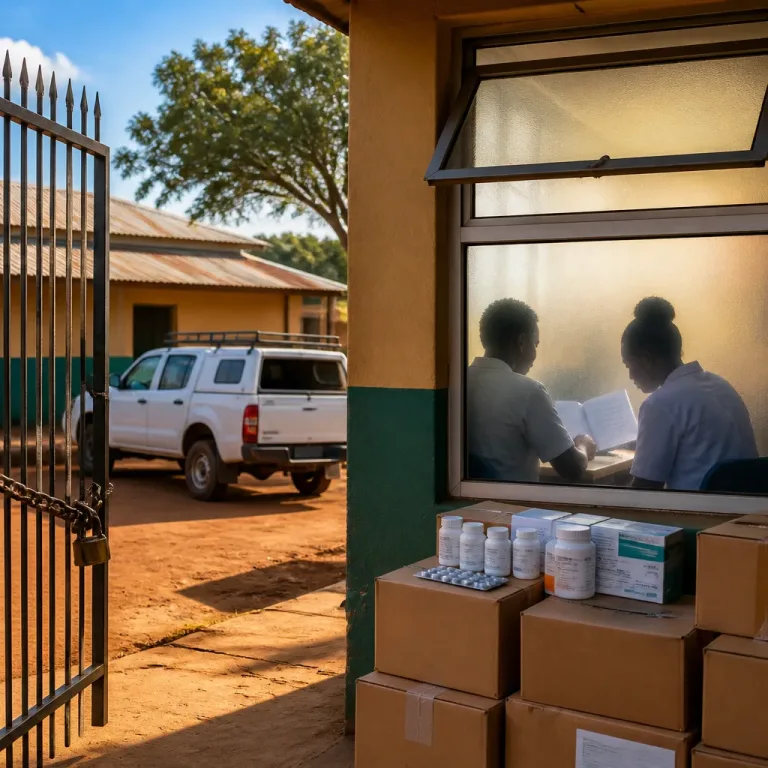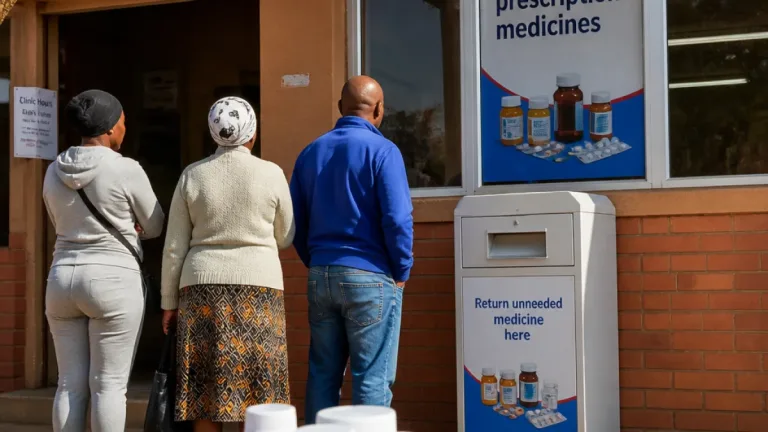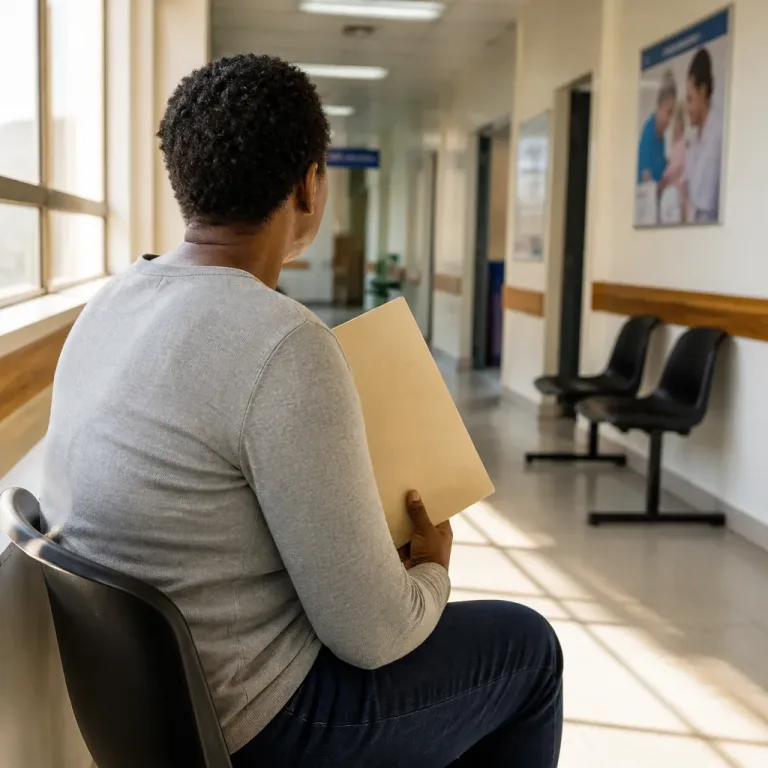
Women’s health is not only a matter of individual wellbeing but a cornerstone of South Africa’s economic resilience, according to an analysis by Merilynn Steenkamp. The piece highlights how reliable access to early diagnostics and health services sustains households, preserves livelihoods and protects the largely female health and social services workforce.
Health shocks ripple through families and the economy
Steenkamp said that across South Africa women often combine paid work with heavy unpaid care responsibilities. When a woman becomes seriously ill, the consequences extend well beyond the clinical diagnosis: time away from work can reduce income, undermine career progression and push households closer to poverty. This is especially acute for women in informal employment, who typically lack sick leave and social protections.
Key dynamics highlighted include:
- Women as primary earners and caregivers: many households depend on women for regular income and daily care.
- Concentration in health and social services: women make up the majority of the workforce in these sectors, so illness among them can strain service delivery.
- High reinvestment of income: Steenkamp cited UN Women reporting that women reinvest up to 90% of their earnings into families and communities, amplifying the broader impact of lost income.
Diagnostics as a practical lever
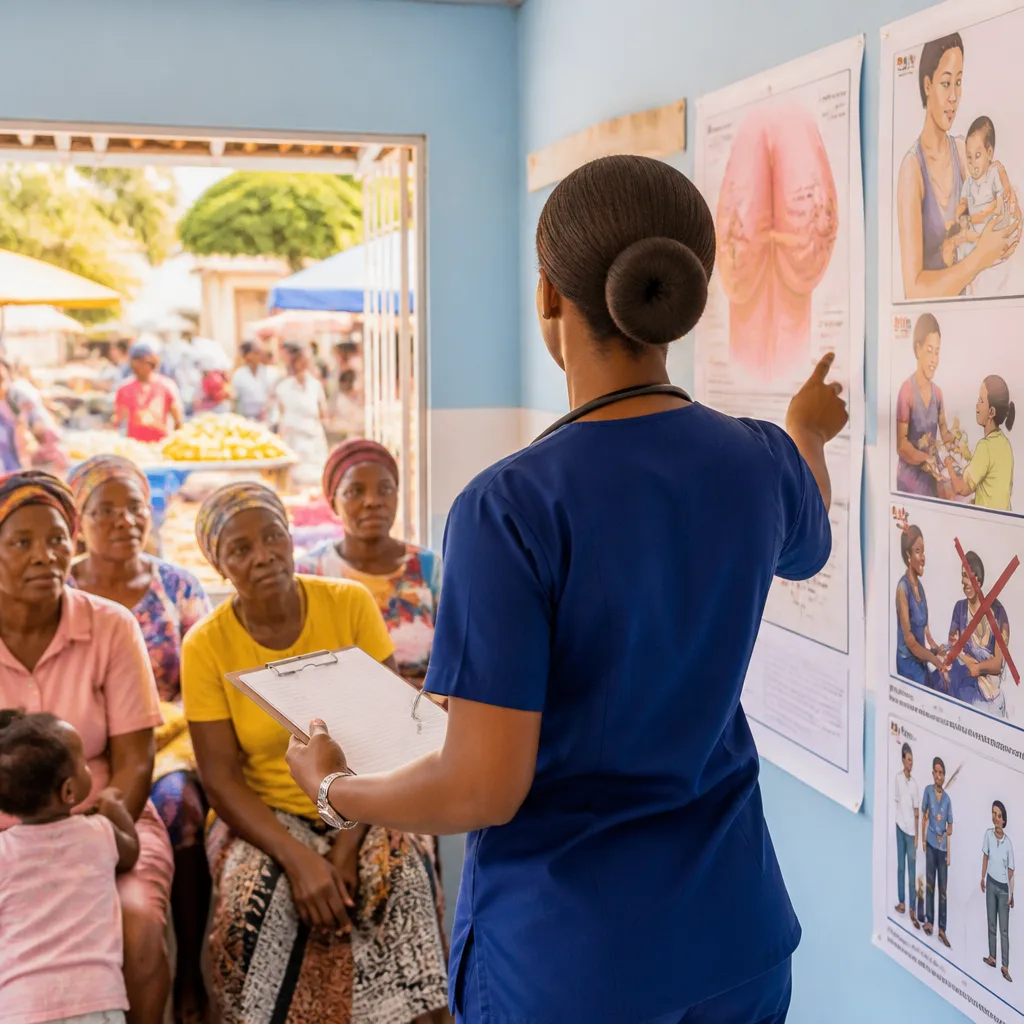
The analysis calls reliable early diagnostics “one of the most practical levers” to protect women’s health. Early and accurate detection of illnesses—both communicable diseases such as TB and HIV, and rising non‑communicable diseases including diabetes and cancer—can reduce time away from work and limit catastrophic household costs. Steenkamp emphasised cervical cancer as a particular concern, noting it is the second most common cancer among South African women and that early detection markedly improves outcomes.
She illustrated the argument with a scenario of a mid‑level clinic nurse who is the sole breadwinner for a multi‑generational household. If that nurse becomes seriously ill, not only does her family income collapse, but the clinic loses a trained health worker, increasing pressure on already stretched services.
Policy and service implications
Steenkamp’s piece implies several policy priorities to preserve both health and economic stability:
- Strengthen access to early diagnostic services for women at primary care level.
- Expand social protections for informal workers to reduce vulnerability when illness occurs.
- Protect and invest in the predominantly female health workforce to maintain service continuity.
| Issue | Consequence |
|---|---|
| Delayed diagnosis | Longer illness, more time off work, higher household costs |
| Weak social protection for informal workers | Immediate loss of household income and increased poverty risk |
| Female‑dominated health workforce | Service disruption if workers fall ill |
“Early and accurate diagnostics protect women’s ability to remain economically active,” Steenkamp wrote.
The analysis aligns with broader public health evidence that investing in women’s health delivers multiplier effects for families and communities. For South Africa, where the burden of infectious diseases remains high and non‑communicable diseases are rising, prioritising diagnostics and access to care for women will be central to social and economic recovery.
Readers should consult a clinician or local clinic for personal medical concerns rather than relying on general commentary. For policy queries or service access, contact provincial health departments or local primary care clinics to learn about available diagnostic services and support for workers in the informal economy.