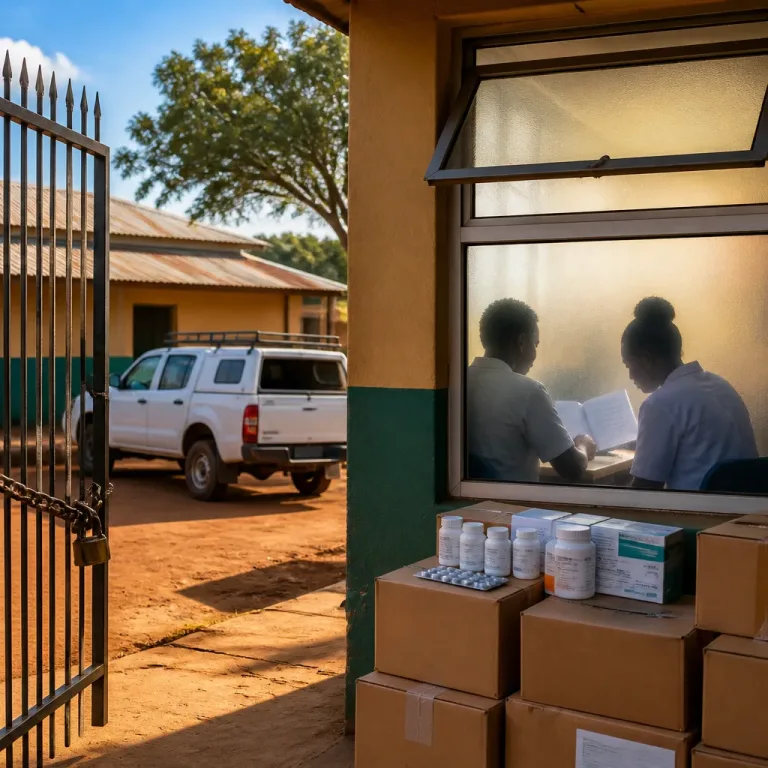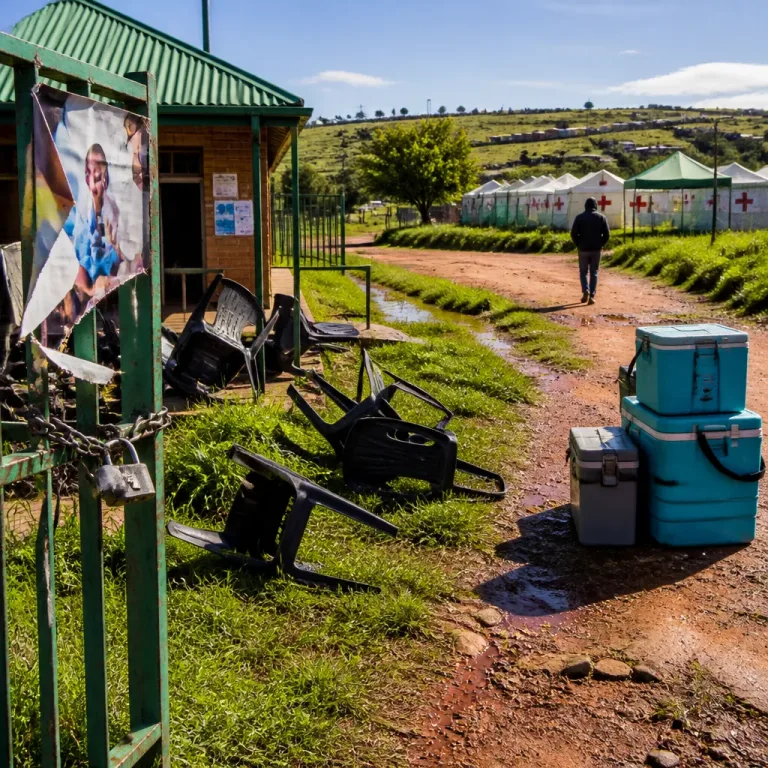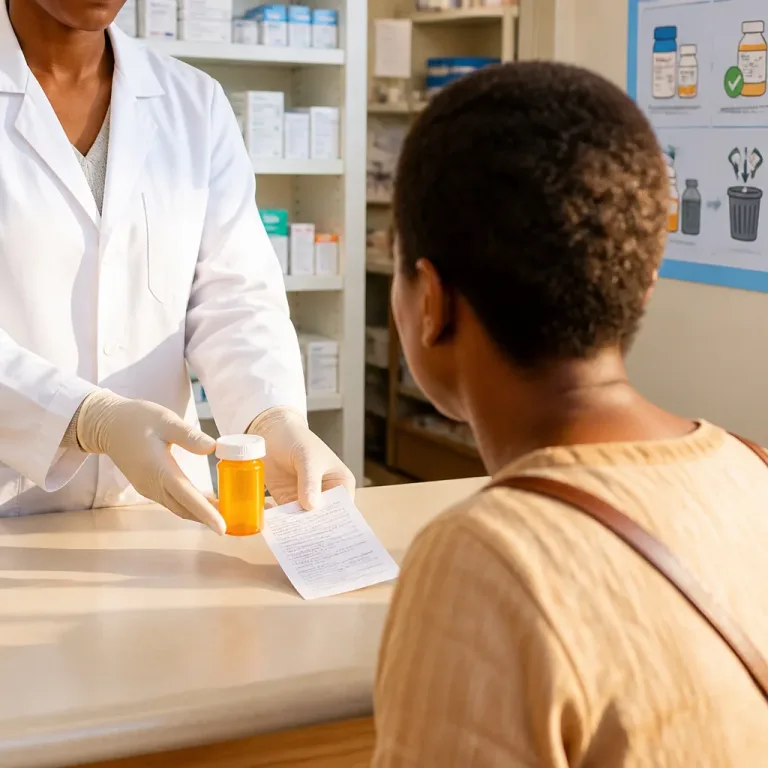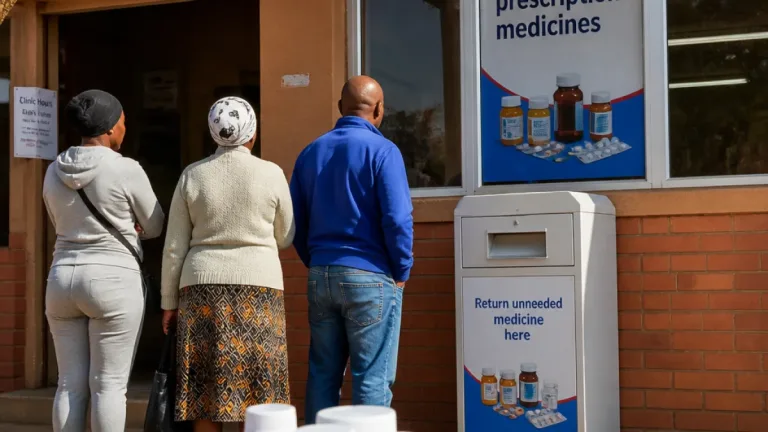
Reliable access to early diagnostics for women is a practical and urgent lever to protect households, healthcare services and the broader South African economy, a recent analysis has concluded. Women carry a large share of both paid and unpaid care work in the country, and illness among women can have ripple effects beyond individual diagnoses.
Women as economic anchors
Across South Africa, women lead classrooms, staff hospital wards, run small businesses, work in agriculture and manage households. In many communities they are the primary earners and primary caregivers. When women fall ill, time away from work reduces income, productivity and prospects for career progression. That impact is often felt first at household level and then across communities.
Women make up the majority of the health and social services workforce and shoulder a disproportionate share of unpaid care in homes, the analysis noted. Globally, UN Women estimates that women reinvest up to 90% of their income into their families and communities, amplifying the social and economic consequences when their health is compromised.
Health burden and missed opportunities
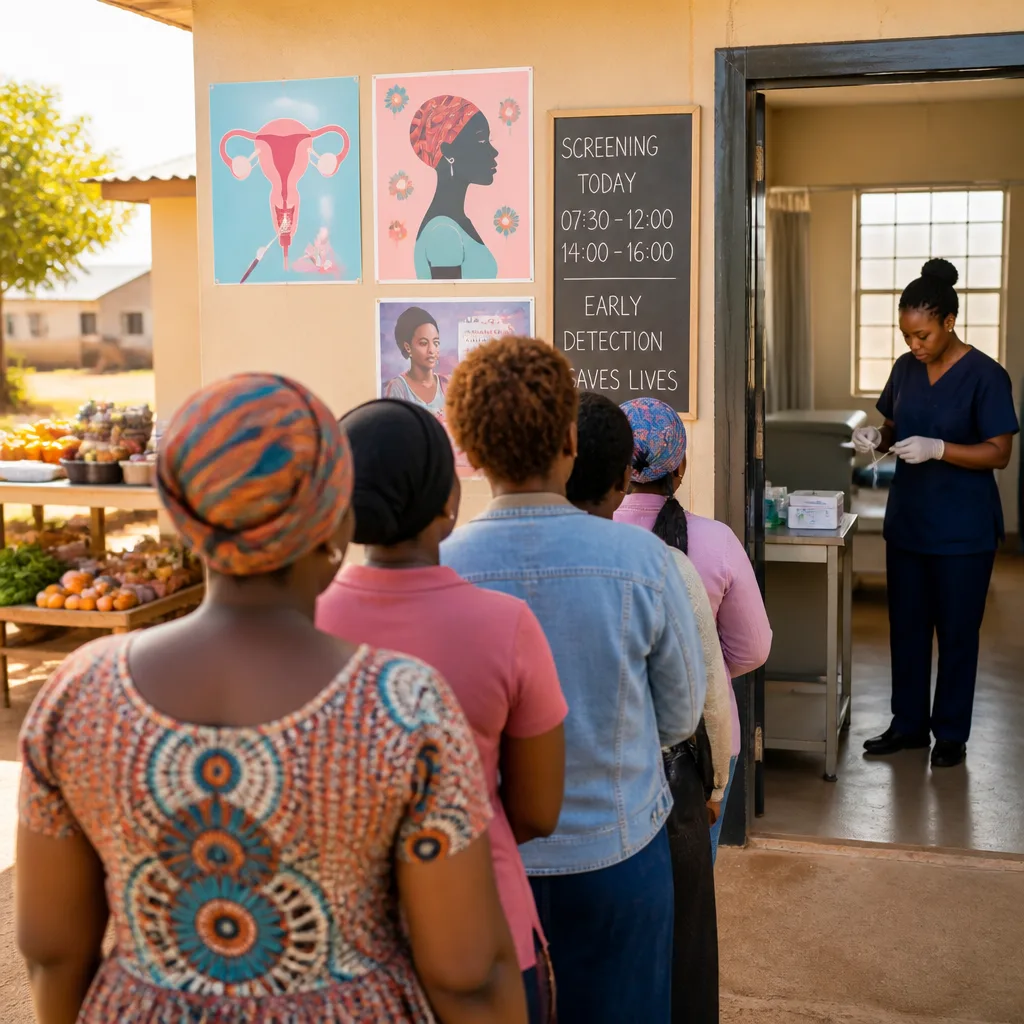
South Africa continues to bear a high burden of infectious diseases, including tuberculosis and HIV, while non-communicable diseases such as diabetes and cancer are on the rise. Cervical cancer remains the second most common cancer among South African women, yet when detected early the five-year relative survival rate exceeds 90%. That survival statistic underlines the importance of screening and timely diagnostic services.
| Condition | Key point |
|---|---|
| Cervical cancer | Second most common cancer in South African women; early detection gives >90% five-year survival |
| HIV and TB | Remain significant contributors to morbidity and care responsibilities |
| Non-communicable diseases | Diabetes and cancers are increasing, requiring chronic care and follow-up |
Consequences for households and services
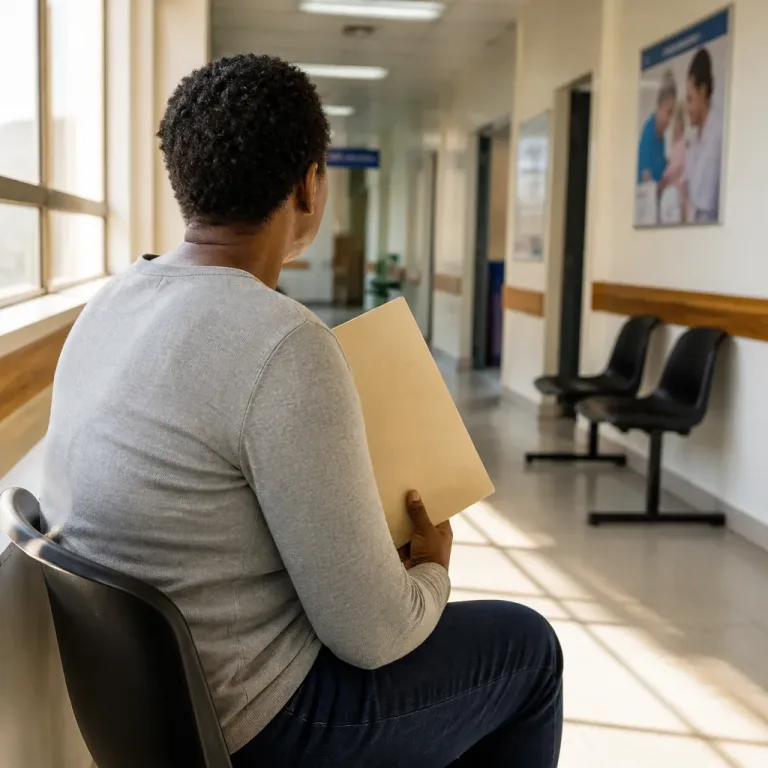
The analysis used the example of a mid-level clinic nurse who is the sole breadwinner: extended illness could be catastrophic for a household reliant on a single income and would also compound pressures on primary healthcare services. In the informal economy — where many women work without formal protections such as sick leave — the economic hit from illness is immediate and severe.
- Illness can reduce household earnings and increase dependence on social support.
- Absence of affordable, accessible diagnostics delays treatment and worsens outcomes.
- Protecting women’s health helps stabilise education, nutrition and long-term community resilience.
Strengthening early-detection systems — including screening programmes, strengthened clinic capacity and community outreach — is therefore not merely a health intervention but an economic one, the analysis argued.
Policy implications and next steps
Policy responses that expand access to affordable diagnostics, protect labour rights for informal workers, and increase investment in women-centred prevention and care would target the intersection of health and economic stability. The analysis reiterated that raising awareness and improving utilisation of screening services for conditions like cervical cancer could substantially reduce mortality and preserve household livelihoods.
While the analysis highlights system-level needs, individuals should continue to consult primary healthcare clinics or practitioners for personalised advice. Early presentation for screening and symptoms remains critical for the best outcomes.
Given the centrality of women to both the care economy and the formal workforce, public-health planning that prioritises timely diagnostics and accessible follow-up care will have benefits that extend beyond clinical endpoints to strengthen social and economic resilience nationally.