More than 900 attacks on health facilities, workers and patients were recorded globally between January and August 2026, the World Health Organization (WHO) said, averaging over four incidents a day and causing widespread disruption to essential care.
Lives lost, services disrupted
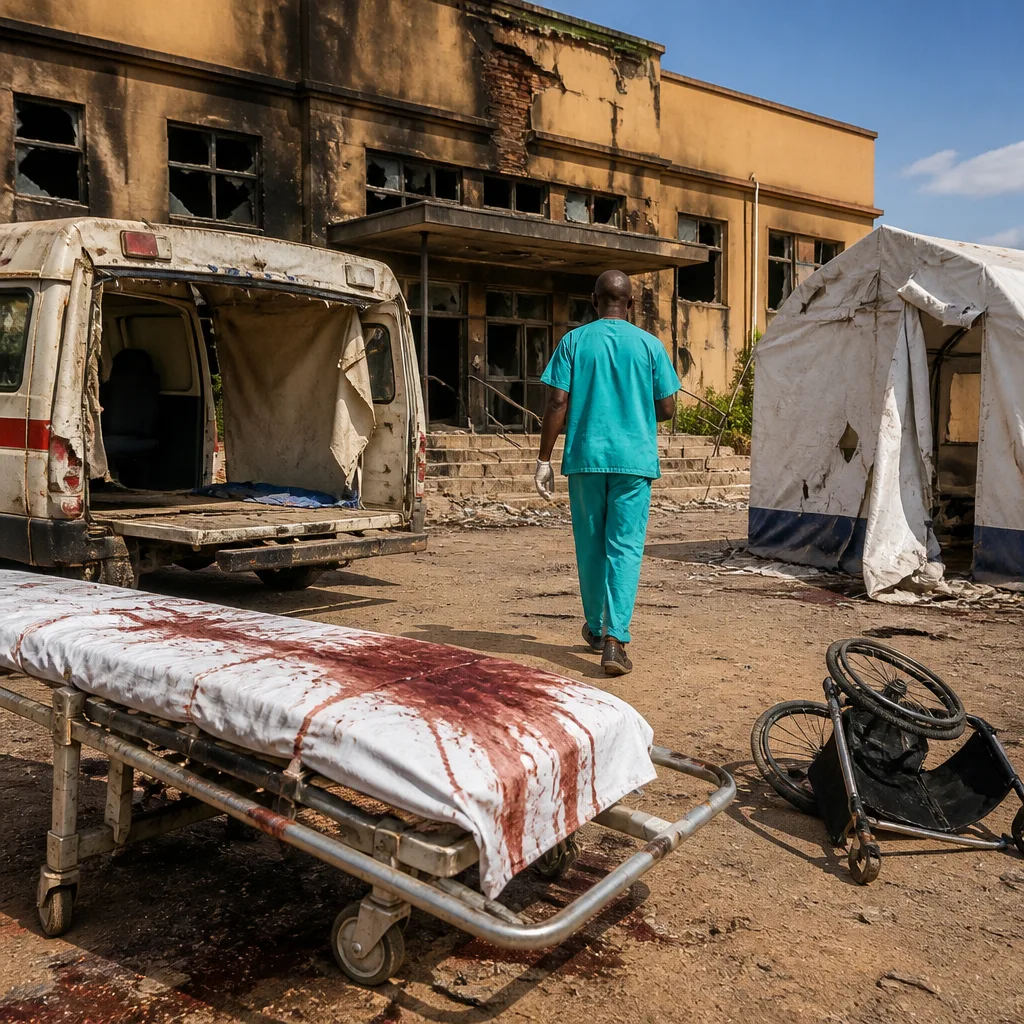
WHO presented the figures in Geneva, where Altaf Musani, the agency’s director for humanitarian and disaster management, said the verified incidents include at least 900 deaths and more than 1,400 injuries in the period under review. The tally covers strikes, the use of heavy weapons, destruction of facilities, and the detention or abduction of healthcare personnel and patients.
“What we are witnessing are multiple forms of violence,” Musani said, citing the use of heavy weapons, destruction of health facilities and the detention or abduction of healthcare workers and patients.
Among the verified cases, 94 healthcare workers were reported detained. WHO emphasised that damage to health infrastructure continues to have downstream effects: ambulances cannot make referrals and patients miss essential treatment even after an attack is recorded.
Where attacks are concentrated
WHO reported the largest shares of incidents in Ukraine, Lebanon and the occupied Palestinian territory, with additional attacks verified in Iran, Sudan, Myanmar, Syria, Nigeria and the Democratic Republic of the Congo (DRC).
Specific country details in WHO’s presentation included:
- Ukraine: more than 3,100 verified attacks since Russia’s full‑scale invasion began; 156 verified incidents in 2026 so far.
- Gaza: all 36 hospitals recorded damage, and only about half remain partially functional.
- Sudan: roughly 37% of health facilities reported non‑functional this year.
- DRC: 12 verified attacks on healthcare since an Ebola outbreak was declared in May, disrupting surveillance and treatment efforts.
| Metric | Reported figure |
|---|---|
| Attacks (Jan–Aug 2026) | >900 |
| Deaths | At least 900 |
| Injuries | >1,400 |
| Healthcare workers detained | 94 |
Health consequences beyond immediate casualties
WHO highlighted how attacks reverberate through health systems. A study of 69 attacks in north‑west Syria found outpatient consultations fell by 51% immediately after an attack and stayed depressed for more than a month, underscoring the prolonged impact on routine care.
In the DRC, WHO said verified incidents since the Ebola declaration have hampered surveillance, contact tracing, treatment and community outreach, complicating efforts to detect and contain outbreaks. In Ukraine, the agency has verified thousands of attacks over the course of the conflict, including a recent strike that affected a WHO warehouse.
Musani warned that verification is not the end of harm: an attack that is recorded still means patients will not receive the care they need in the days and weeks that follow.
Implications for humanitarian and public‑health responses
The escalation of violence against healthcare raises risks for both immediate emergency care and longer‑term disease control. Attacks on facilities and staff reduce access to essential medicines, interrupt vaccination and surveillance programmes, and deter health workers from continuing to provide services in high‑risk settings.
WHO’s data adds to a body of evidence showing that violence in conflict zones undermines global health security and complicates outbreak responses. The agency is urging parties to conflict to respect international humanitarian law and protect medical personnel and infrastructure.
Readers worried about personal or community health should consult a clinician or their nearest clinic; health advice must be tailored to individual circumstances and local services.
Key figures from WHO’s presentation are summarised above. Reporting from WHO was presented in Geneva by Altaf Musani.