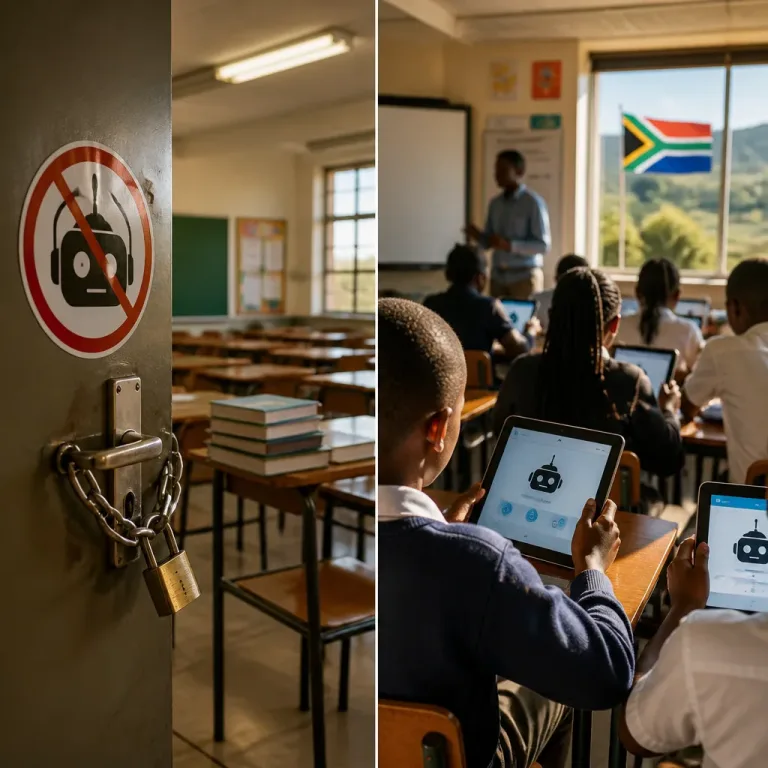
School districts in Nebraska have begun to formalise how artificial intelligence may — and may not — be used in classrooms, seeking to protect academic integrity while giving teachers discretion to integrate new tools into learning.
New rules tackle cheating, cite teacher discretion
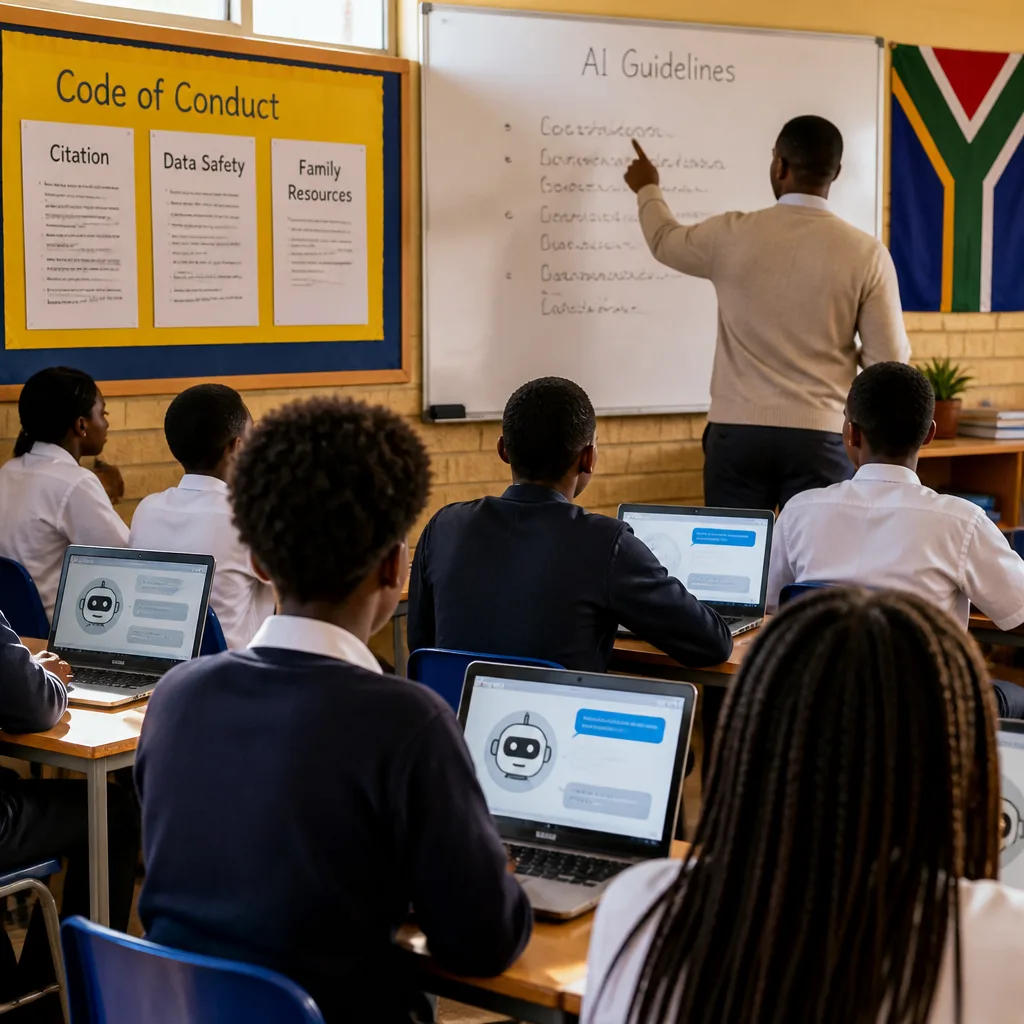
When pupils in Omaha return to class this term, they will do so under a revised Code of Conduct that explicitly classifies using generative artificial intelligence to complete assignments without teacher approval or proper citation as cheating or plagiarism. The Omaha Public Schools district also added an online Digital Citizenship section to help families talk about AI at home.
Other districts in the city have followed suit. Westside Community Schools, for example, now hosts a dedicated page outlining its goals for artificial intelligence and expectations for ethical use in schools.
Widespread uptake heightens urgency
National surveys indicate that AI tools are already common in education. A Centre for Democracy & Technology survey found that more than 80% of teachers used an AI tool in the 2023–24 school year, and Pew Research Centre polling shows that over 50% of teenagers have used an AI chatbot for schoolwork or information-gathering. Nebraska Public Media News reported these survey findings as part of a wider look at AI across early childhood to higher education.
“A lot of those policies actually put the classroom practitioner in the position to be the one who makes the decision as to the degree to which AI maybe becomes a part of the learning experience for students in some capacity,”
Andrew Easton, chief learning officer for the Nebraska Educational Service Unit Coordinating Council, said many districts have implemented policies designed to protect learners and staff and to define responsible AI use.
Balancing safety, pedagogy and privacy
District guidelines cited in the reporting combine several aims: preventing cheating; safeguarding student and teacher data; and clarifying when and how AI can support instruction. By leaving substantive classroom choices to teachers, policies seek to adapt to rapidly changing tools while maintaining consistent expectations for student work.
- Academic integrity: Explicit rules against submitting AI-generated work without approval or citation.
- Teacher autonomy: Practitioners decide if and how AI is used in lessons and assessment.
- Family engagement: Districts provide resources to help parents and carers discuss AI with learners.
What this means for South African classrooms
While the reporting focuses on Nebraska, the issues translate directly to South African schools. Teachers here face similar dilemmas: how to deter unauthorised use of AI, how to harness its potential for differentiated instruction, and how to protect pupil data under local laws. The US approach — defining clear misconduct, offering practical guidance for families and trusting educators to make classroom decisions — may offer a useful model, but it will need local adaptation to fit our curriculum, assessment regimes and infrastructure constraints.
| Issue | Implication for schools |
|---|---|
| Cheating and assessment | Need for clarified rules and updated assessment design |
| Teacher support | Professional development to evaluate and supervise AI tools |
| Family engagement | Resources to guide discussions about responsible use at home |
Crucially, any policy must be practical in day-to-day schooling. That means training for teachers on how to spot and manage misuse, assessment strategies that value process as well as final products, and public guidance to help parents understand both risks and opportunities.
As the technology evolves, so too will the policy responses. For now, Nebraska’s emphasis on protecting pupils and faculty, while giving teachers authority over classroom practice, highlights a pragmatic path: deter academic dishonesty, but equip educators to use AI constructively where it enhances learning.