
Education unions from Malawi and across southern Africa argued at a Johannesburg workshop in July that securing increased public funding and improving teachers’ working conditions are essential to halt teacher shortages and deliver quality public education.
Regional meeting hosted in Johannesburg
The Education International (EI) Southern Africa Sub-Regional Workshop on the Go Public! Fund Education campaign took place in Johannesburg on 23–24 July 2026. The event was convened by EI Africa and hosted by the South African Democratic Teachers Union (SADTU) and the National Professional Teachers' Organisation of South Africa (NAPTOSA).
At the workshop the Teachers Union of Malawi (TUM) and the Private Schools Employees Union of Malawi (PSEUM), both EI national affiliates, presented a country report outlining how constrained public finances are undermining the education system in Malawi.
Funding squeeze, rising enrolment and deteriorating infrastructure
The Malawian unions said the country faces multiple macro‑economic pressures that have reduced the resources available for education. High inflation and foreign exchange shortages are cited as factors that have worsened school conditions and teacher recruitment.
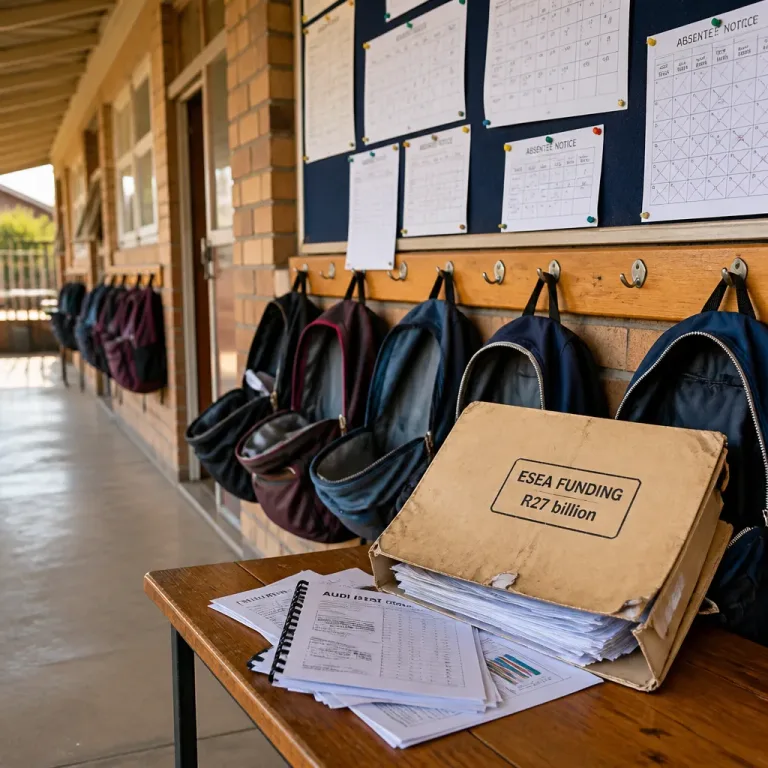
- Many school buildings lack electricity and adequate sanitation.
- Rapidly growing enrolment has increased class sizes, placing pressure on existing facilities and staff.
- Teachers report delayed salary payments and limited promotion opportunities, which undermine the attractiveness of the profession.
According to the report presented in Johannesburg, these combined pressures have contributed to a worsening teacher shortage in Malawi. Unions at the workshop called for the Malawian government to raise the share of public resources devoted to education and to prioritise investment in teachers.
Social dialogue and parliamentary engagement
Unions emphasised that improving education is not solely a technical exercise but requires stronger social dialogue between representatives of teachers, education authorities and parliamentarians. The Teachers Union of Malawi has begun more frequent engagement with Members of Parliament to ensure education financing remains visible in national decision‑making.
Delegates framed the campaign as part of a broader push for education as a fundamental human right, arguing that quality teaching depends on predictable funding and decent working conditions. The Go Public! campaign, the organisers said, aims to place education financing on national agendas across the region.
| Event | Details |
|---|---|
| Workshop | Education International Southern Africa Sub‑Regional Workshop on Go Public! Fund Education |
| Dates | 23–24 July 2026 |
| Hosts | SADTU, NAPTOSA (host); EI Africa (convenor) |
| Malawi unions presenting | Teachers Union of Malawi (TUM), Private Schools Employees Union of Malawi (PSEUM) |
"Quality public education begins with quality funding,"
This framing guided discussions at the workshop and underpinned calls for concrete measures to stabilise teacher pay, expand promotion pathways and invest in school infrastructure.
The issues raised in the Johannesburg meeting are familiar to education systems across the region: when budgets do not keep pace with learner numbers and costs, classrooms become larger, infrastructure deteriorates and the teaching profession loses its appeal. For learners, that translates into less individual attention and constrained learning opportunities; for teachers, it means increased workloads and uncertain livelihoods.
Unions present at the workshop argued that reversing these trends requires political will to reallocate and protect education expenditure, coupled with sustained engagement between teacher organisations, ministries and parliaments to monitor implementation. They stressed that achieving Sustainable Development Goal 4 — inclusive, equitable quality education — depends as much on public finance choices as on curriculum or assessment reforms.
As governments in the region face competing fiscal pressures, the workshop highlighted unions’ intent to keep education funding visible in national debates and to link classroom realities to budget decisions.