
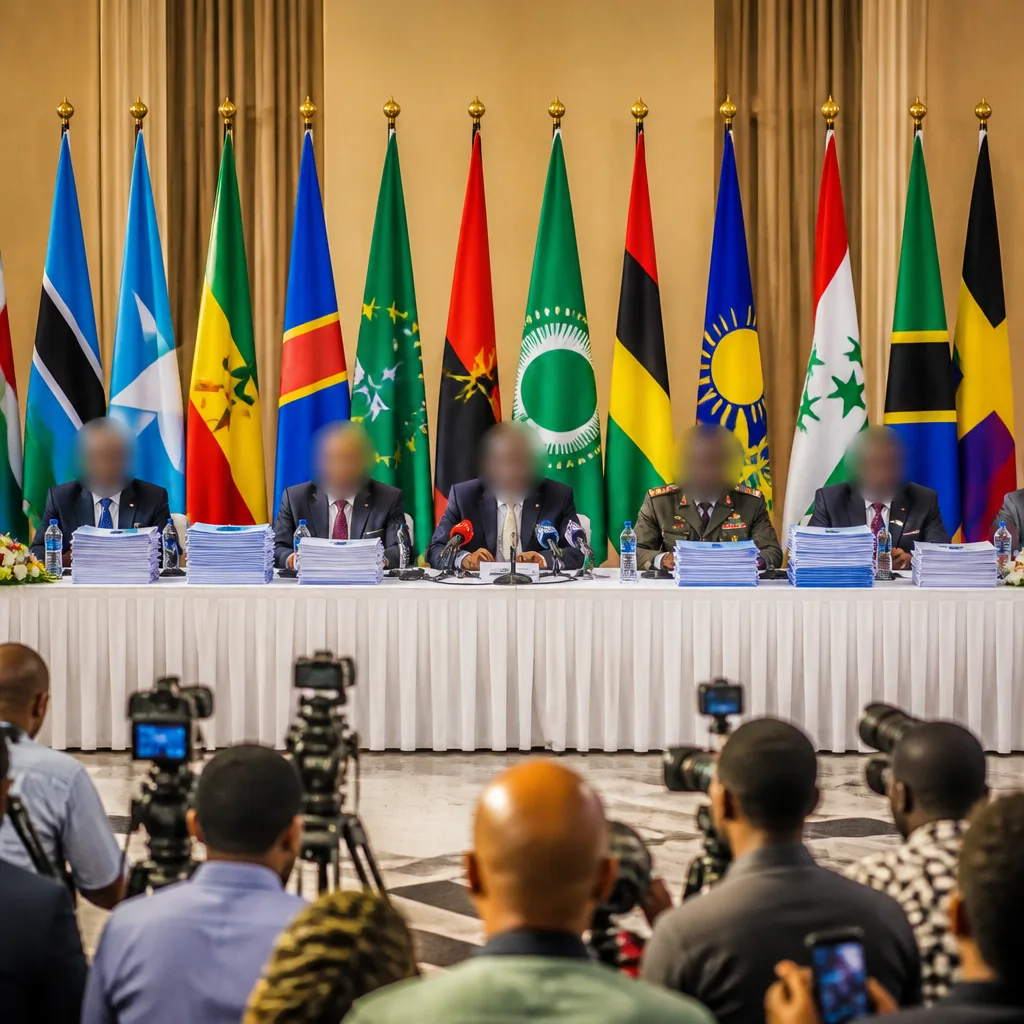
Several international and regional election observation missions that monitored Zambia’s 13 August 2026 general election reported preliminary findings in Lusaka, saying the voting process was largely peaceful and well organised in many places, while urging all parties and citizens to remain calm as the Electoral Commission of Zambia (ECZ) completes the results process.
Observers note order but recommend patience
Delegations presenting the statements included the Southern African Development Community Electoral Observation Mission (SEOM), a joint African Union–COMESA mission, the International Conference on the Great Lakes Region (ICGLR) mission and the Electoral Commissions Forum (ECF) mission. The representatives were Honourable Samuel B. Tembenu, SC (SEOM head), Ambassador Marie‑Pierre Lloyd (deputy head of the AU–COMESA mission), His Excellency Dr Mokgweetsi Eric K. Masisi (ICGLR head) and Honourable Justice Annabel Mtalimanja (ECF head).
Presenting SEOM’s preliminary statement, Honourable Tembenu said the mission had observed improvements compared with the 2021 polls and that "the political environment in most areas of deployment was peaceful." He underlined the need for stakeholders to allow the ECZ to complete its work without interference.
- Deployment: SEOM sent 106 personnel from ten member states, organised into 17 short‑term observer teams.
- Coverage: The mission observed 277 polling stations out of the 13,529 established nationwide.
- Positive findings: Observers highlighted administrative preparedness, transparent verification and custody of materials, and functioning conflict‑management committees in many areas.
What the missions reported
According to the preliminary statements, the missions assessed several phases of the electoral cycle: the pre‑election environment, Election Day procedures, voting, closing and counting, and immediate post‑election developments. While observers found broadly calm conditions in most locations where they deployed, they also emphasised the importance of continued restraint by political actors, security services and supporters as results are finalised.
The missions praised elements of the electoral administration, noting instances where polling officials were prepared and where measures for transparent verification and secure custody of electoral materials were observed. They also pointed out the operation of conflict‑management committees as a constructive practice during the polls.
At the same time, the preliminary statements are expressly initial assessments based on limited observation windows and sampled polling stations. The missions urged that comprehensive conclusions await the full collation and publication of results, as well as follow‑up by long‑term observation where relevant.
"The political environment in most areas of deployment was peaceful," SEOM said, while calling on stakeholders to allow the ECZ to complete the ongoing results process.
Regional implications and next steps
Southern Africa’s stability is closely tied to the credibility of electoral processes across the region. The statements from SADC, AU–COMESA, ICGLR and ECF aim both to reassure citizens and to discourage actions that could undermine peaceful transitions or the integrity of the counting process.
Observers recommended continued transparency from the ECZ, timely public communication of results, and that any complaints or disputes be handled through legal and institutional channels. Longer‑term, the missions reiterated the value of ongoing electoral reforms, capacity‑building and regional cooperation to strengthen democratic processes.
| Mission | Head | SEOM figures |
|---|---|---|
| SADC (SEOM) | Hon. Samuel B. Tembenu, SC | 106 personnel; 17 teams; 277 polling stations observed |
| AU–COMESA | Amb. Marie‑Pierre Lloyd (deputy head) | Joint mission (preliminary statement presented) |
| ICGLR | Dr Mokgweetsi E. K. Masisi | Preliminary observations presented |
| ECF | Hon. Justice Annabel Mtalimanja | Preliminary observations presented |
The international delegations concluded by urging all Zambian stakeholders to respect the electoral process and the institutions tasked with managing it. Their preliminary reports will feed into fuller mission assessments expected once results are finalised and any post‑election procedures have run their course.









