Scientists have identified a source of oxygen at 4,000 metres depth on the Pacific Ocean floor: polymetallic nodules that appear capable of producing what researchers call “dark oxygen” in complete absence of sunlight. The finding, reported in a study first published in Nature Geoscience in July 2024 and summarised in recent coverage, raises questions about the chemistry of the deep ocean, the potential for life in extreme environments and the environmental stakes in deep‑sea mining.
What the study found
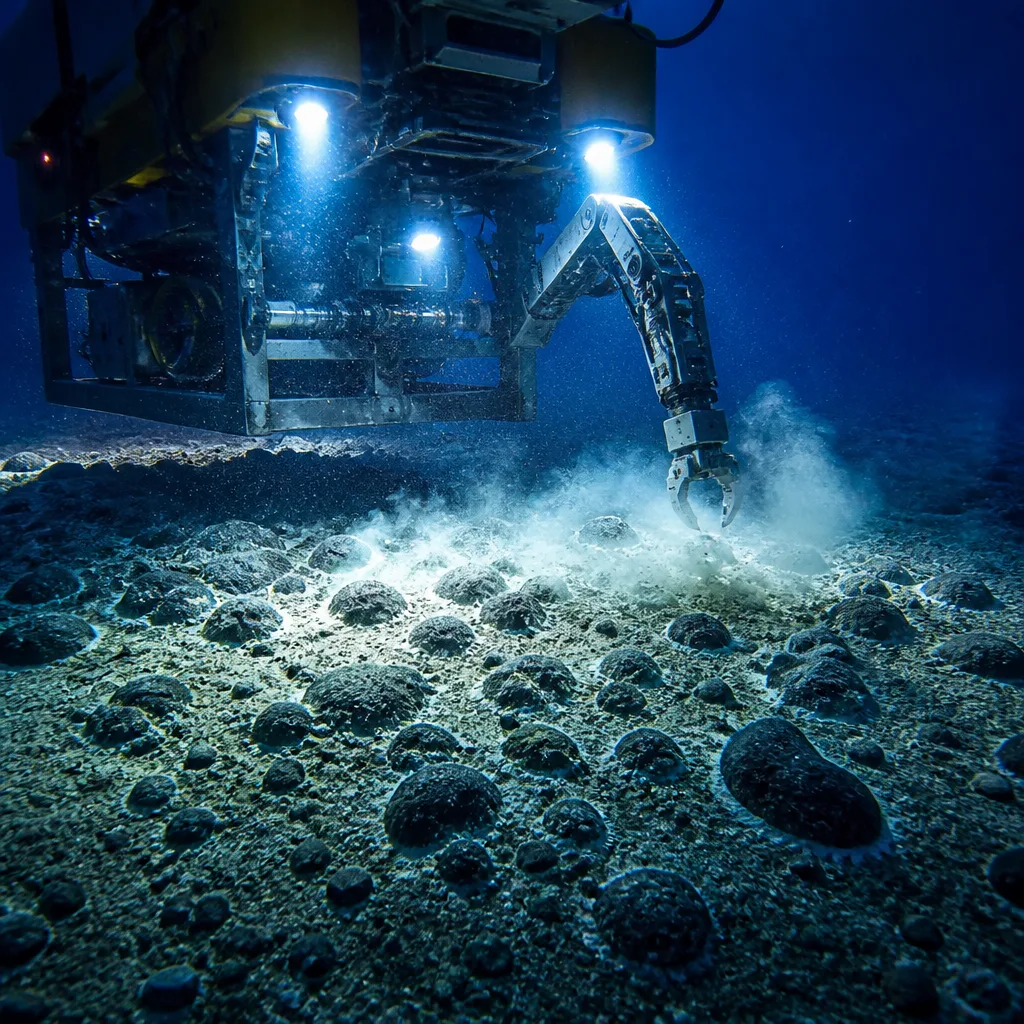
The research focused on the Clarion‑Clipperton Zone (CCZ), an abyssal plain in the central Pacific between Hawaii and the western coast of Mexico that stretches across roughly 4.5 million square kilometres and is known for its abundance of potato‑sized polymetallic nodules. These nodules contain metals such as nickel, manganese, copper, zinc and cobalt that are of interest to companies seeking materials for batteries and other technologies.
Analysing the nodules and associated sediments, the team reported that chemical reactions at the nodule surfaces can generate oxygen without sunlight. Because this oxygen forms in the dark and far below the photic zone, researchers used the term “dark oxygen”. That production could alter local redox chemistry and create microenvironments in the deep seafloor capable of supporting aerobic metabolisms.
“For aerobic life to begin on the planet, there had to be oxygen and our understanding has been…”
The study’s lead author, deep‑sea ecologist Andrew Sweetman of the Scottish Association for Marine Science, argued in a press statement — quoted in coverage — that discovering oxygen produced in the deep ocean could affect hypotheses about how oxygen first became available on early Earth and about where life might arise elsewhere in the Solar System.
Why this matters
The finding has two broad consequences. First, it shifts some assumptions about deep‑sea biogeochemistry: oxygen is usually thought to reach abyssal environments only by transport from surface waters, not by local production. Second, the result is relevant to the growing debate over commercial extraction of nodules in the CCZ and other deep‑sea mining proposals.
- Scientific implications: Locally produced oxygen could sustain aerobic organisms in otherwise anoxic microhabitats and reshape models of carbon and nutrient cycling at the seabed.
- Policy and environmental implications: If nodules play a biological or chemical role beyond their metal content, removing them could have unanticipated ecological impacts — a factor in international negotiations on deep‑sea mining regulation.
Context and caveats
The CCZ is one of the planet’s most discussed regions for potential seabed mining because of its vast reservoirs of polymetallic nodules. Advocates of nodule collection point to demand for battery metals to support the energy transition; opponents warn of harm to largely uncharted ecosystems. The reported discovery of dark oxygen emphasises how little is known about abyssal plains and their inhabitants.
It is important to note the study’s position in the scientific process. The paper was published in a peer‑reviewed journal in 2024 and discussed in subsequent media reports. As with any novel result from remote environments, findings will need to be replicated and their ecological significance quantified before firm conclusions can be drawn about broader planetary consequences or direct policy prescriptions.
| Feature | Detail |
|---|---|
| Region | Clarion‑Clipperton Zone (central Pacific) |
| Depth | About 4,000 metres |
| Object of interest | Polymetallic nodules (nickel, manganese, copper, zinc, cobalt) |
| Reported process | Generation of oxygen in darkness — termed “dark oxygen” |
For South Africa and other coastal nations, the result strengthens the case for cautious, science‑based approaches to any activity that would alter deep‑sea habitats. International bodies and national authorities negotiating rules for seabed mining may need to consider not only the economic value of metal deposits, but also the potential for nodules to host or facilitate previously unrecognised chemical and biological processes.
As researchers refine their measurements and models, policymakers should expect a continuing stream of new results from remote marine environments. For now, the discovery of dark oxygen is a reminder that the deep ocean still holds fundamental surprises that can reshape scientific thinking and environmental policy alike.