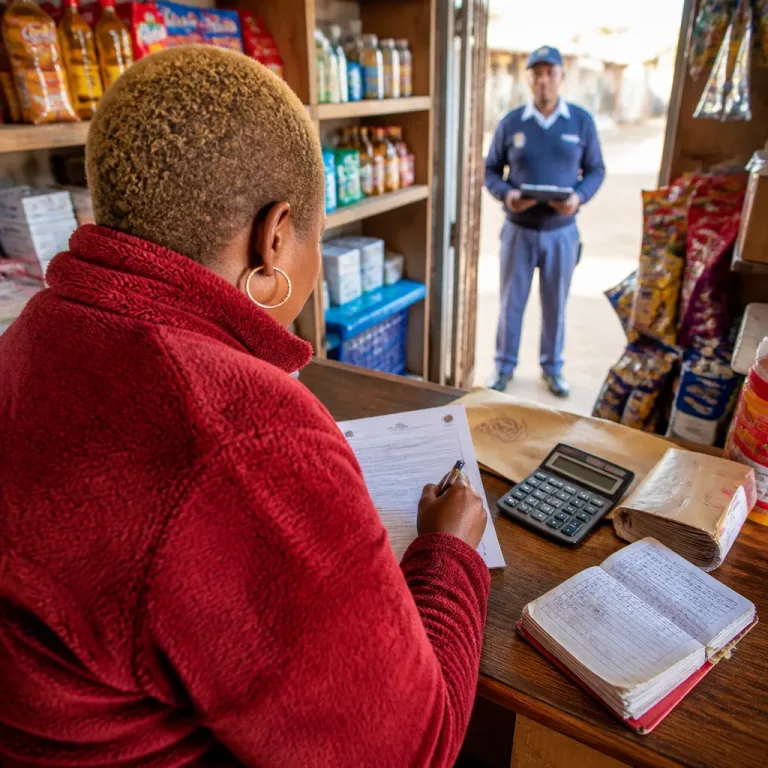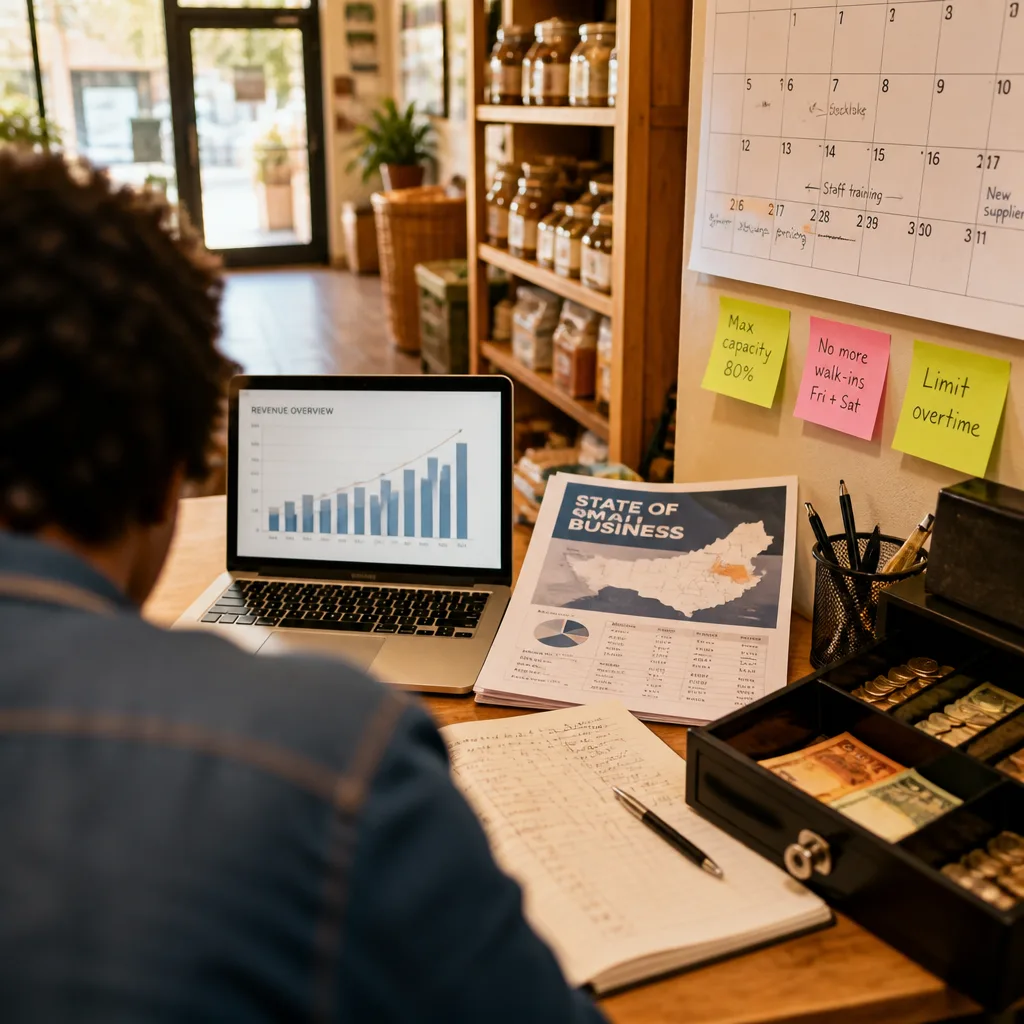
The majority of South African small and medium enterprises (SMEs) are choosing steady, manageable growth rather than aggressive expansion, according to Xero’s 2026 State of South African Small Business report. The research finds that 84% of local small businesses prioritise stability, even as 80% reported revenue growth and 75% recorded increased profits.
What businesses are telling the survey
That gap — growing top-line figures alongside a clear preference for caution — underlines how many entrepreneurs are weighing opportunity against operational risk. The report suggests business owners are aware that rapid scaling can expose cash-flow fragilities, stretch leadership capacity and increase the chance of operational failure.
Research cited in the report also points to the human cost of rushed growth: employees in high-growth firms were more likely to experience burnout and lower job satisfaction. For small-business owners, who often shoulder multiple roles — sales, finance, operations, customer service and strategy — the personal toll can be even greater.
Practical risks of expanding too quickly
Rapid expansion can create a number of problems that hit both the balance sheet and day-to-day business running:
- Hiring before systems are in place can reduce productivity and inflate payroll costs.
- Large contracts may strain cash flow if customer payments do not align with outgoings.
- Entering new markets often requires upfront investment in stock, equipment or premises before revenue stabilises.
- Intensive scaling increases organisational change, which can depress staff morale and raise turnover.
These are not abstract concerns. For an SME, an unpaid invoice, a delayed shipment or an unexpected tax bill can quickly turn promising growth into a liquidity crisis. The report therefore frames steady growth as risk management as much as strategy.
Numbers at a glance
| Measure | Share of SMEs |
|---|---|
| Prioritising steady growth | 84% |
| Reported revenue growth | 80% |
| Increased profits | 75% |
Those figures present a nuanced picture: most small businesses believe growth is occurring, but a larger share still prefers stability. That preference matters for employment and household budgets because it affects hiring decisions, wages and the likelihood that small firms will seek external funding.
Foundations for sustainable growth
The report highlights cash-flow management as a central foundation for sustainable scaling. Turnover growth is necessary, but not sufficient: businesses need cash arriving at the right time to pay suppliers, staff and tax obligations. Other recommended foundations include improved internal systems, measured hiring, and careful assessment before entering new markets.
For policy-makers and financiers, the message is clear: many SMEs would expand if the risks were lowered. Measures that tighten invoice payment times, expand cost-effective access to credit, and support digital bookkeeping and payroll systems could help translate revenue growth into durable job creation.
For households, the implications are mixed. On the one hand, steady growth strategies can preserve existing jobs and reduce the risk of business failure; on the other, measured expansion may slow the pace at which small firms create new employment opportunities.
Readers should note that the report’s findings reflect survey responses and broader research trends; they are not investment advice. WE NEWS does not give financial advice. The data serve to inform debate on how to help South African SMEs convert growth into resilient businesses that support incomes and livelihoods across the country.