Iron deficiency remains the most common nutrient shortfall globally and can cause a range of disruptive symptoms, including extreme fatigue, shortness of breath, frequent headaches and dizziness. Health and nutrition experts say making modest but targeted changes to diet and cooking practices can significantly improve iron intake and absorption.
Why iron matters
Iron is essential for carrying oxygen in the blood. Low iron impairs energy and everyday function, and can progress to iron deficiency anaemia if not addressed. Dietary iron comes in two forms: heme iron, found in animal foods, and non‑heme iron, found in plant sources. Heme iron is generally better absorbed, but combining both types and following a few simple habits can increase overall uptake.
Practical ways to add iron
Nutrition professionals cited in recent reporting recommend the following straightforward steps to boost iron intake and absorption:
- Eat a variety of iron‑rich foods daily, including both animal and plant sources.
- Combine plant iron with a source of heme iron when possible to improve absorption.
- Include vitamin C‑rich foods in meals to enhance uptake of plant iron.
- Consider cooking acidic foods in cast‑iron cookware to increase iron content.
- Use fortified foods, such as some breakfast cereals and breads, as an affordable option.
Kristin Kirkpatrick, MS RDN, is quoted describing the two iron forms:
“Iron comes from both plant and animal foods in two forms: non‑heme iron (from plants) and heme iron (from animal sources). Including both types helps ensure not only adequate iron intake, but also a broader range of essential vitamins and minerals that naturally come with these foods.”
Foods to prioritise
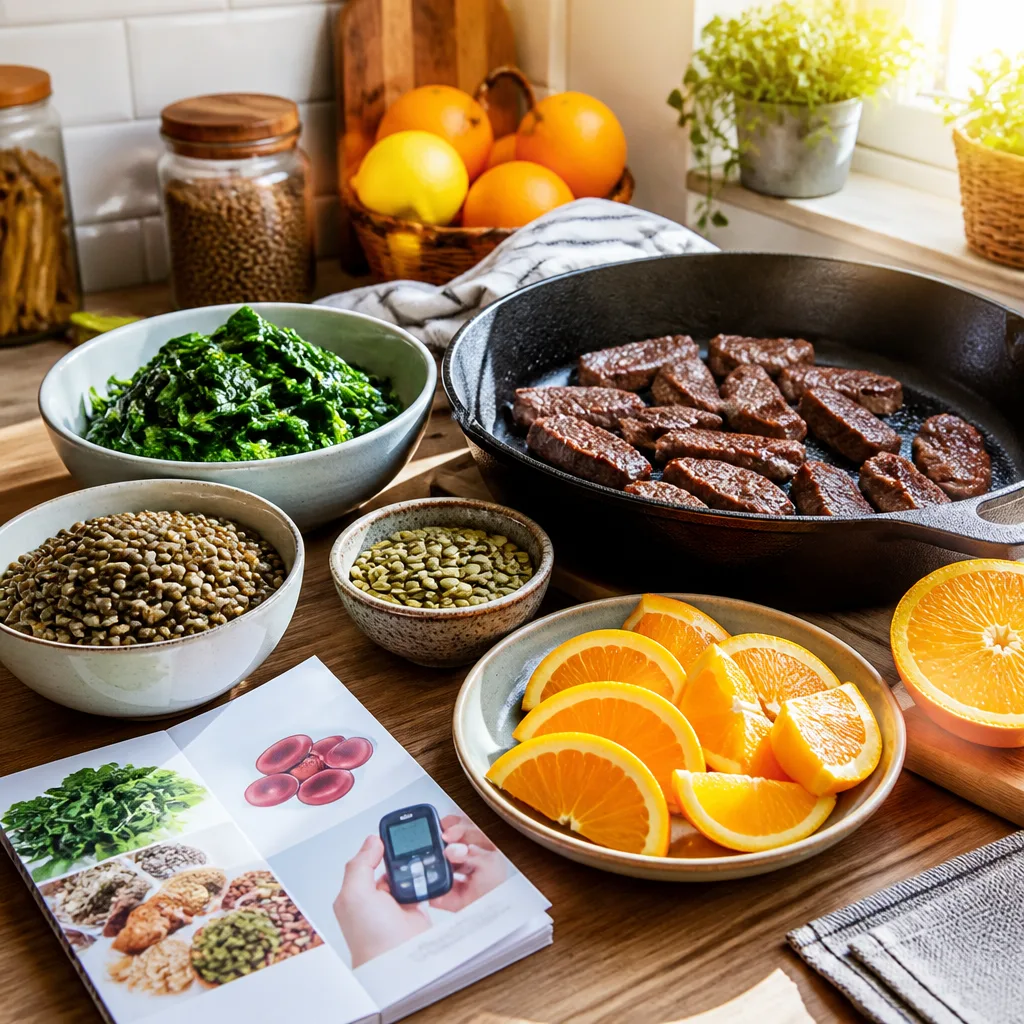
Common iron‑rich foods named by experts include:
| Category | Examples |
|---|---|
| Heme (animal) | Red meat, poultry, seafood |
| Non‑heme (plant) | Beans, lentils, tofu, spinach and other dark leafy greens |
| Other | Dark chocolate, iron‑fortified cereals and breads |
Boost absorption with simple pairings
Vitamin C markedly improves absorption of non‑heme iron. Dustin Moore, PhD, RD, suggests alternatives to a glass of orange juice: tomato sauce and fermented condiments such as kimchi, miso or pickled vegetables also increase acidity and iron uptake from meals.
Cooking in cast‑iron pans is another low‑cost approach. As Miranda Naylor, a functional medicine physician, notes, acidic foods prepared in cast iron can pick up small amounts of iron, increasing overall intake without changing the ingredients of a meal.
Considerations and next steps
While dietary changes can help many people, not all cases of fatigue or breathlessness are due to low iron. Those with persistent symptoms should consult a clinician for assessment and appropriate testing rather than self‑diagnose. A blood test can confirm iron deficiency or anaemia and guide treatment, which may include tailored dietary advice, iron supplements or further investigation of underlying causes.
Fortified foods can be an accessible option for people on tight budgets, but the best approach depends on individual dietary patterns, health status and preferences. Health professionals can advise on portion sizes, safe use of supplements and interactions—iron supplements should be taken under medical guidance because of possible side effects and interactions with other medications.
Small, sustainable changes—choosing one or two iron‑rich foods per day, pairing plant sources with vitamin C, or using cast‑iron cookware—can make a meaningful difference to energy levels and overall health.