Rising household and transport costs, together with persistent pressures in the labour market, are prompting many South African women to set up small businesses — and to rely increasingly on digital tools and artificial intelligence to make those ventures competitive.
Economic pressure at the household level
Consumers are feeling the squeeze: headline inflation stood at 5% in June, and many households are noticing that their money buys less than before. That erosion of purchasing power often shows up first in the household budget, where decisions about spending and earning are made. For a substantial number of women, those decisions have become a turning point towards entrepreneurship.
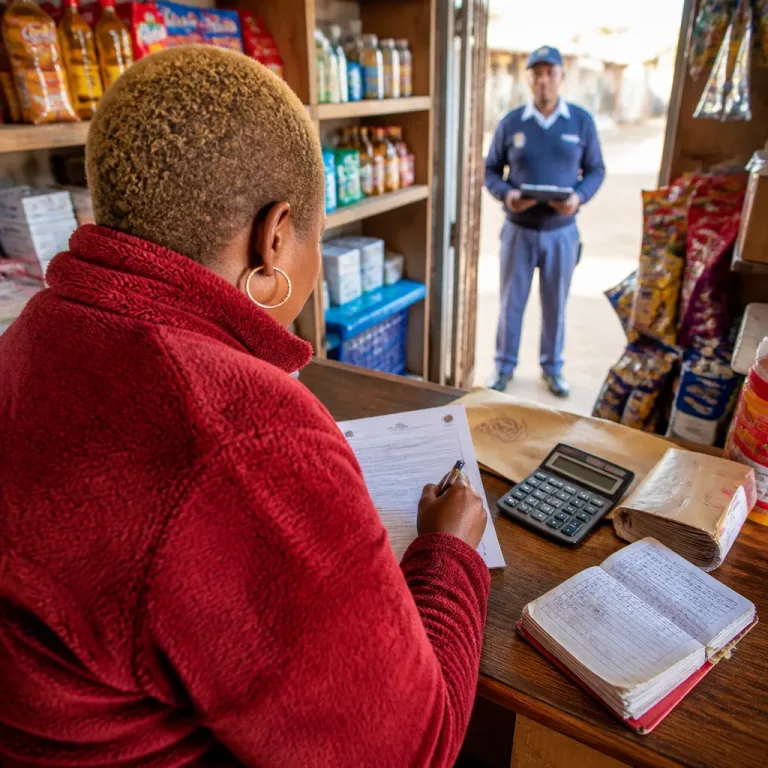
Stats SA data for 2023 finds that 58.9% of women running informal businesses said unemployment was the primary reason they started trading. In other words, more than half of women in the informal sector have been driven into self-employment by the absence of reliable formal work.
From necessity to tested opportunity
Women start enterprises for different reasons. Some spot unmet demand and build businesses around an identified opportunity. Others create enterprises because formal employment does not provide a dependable route to income. Starting small can be feasible, but scaling and competing against established firms is costly.
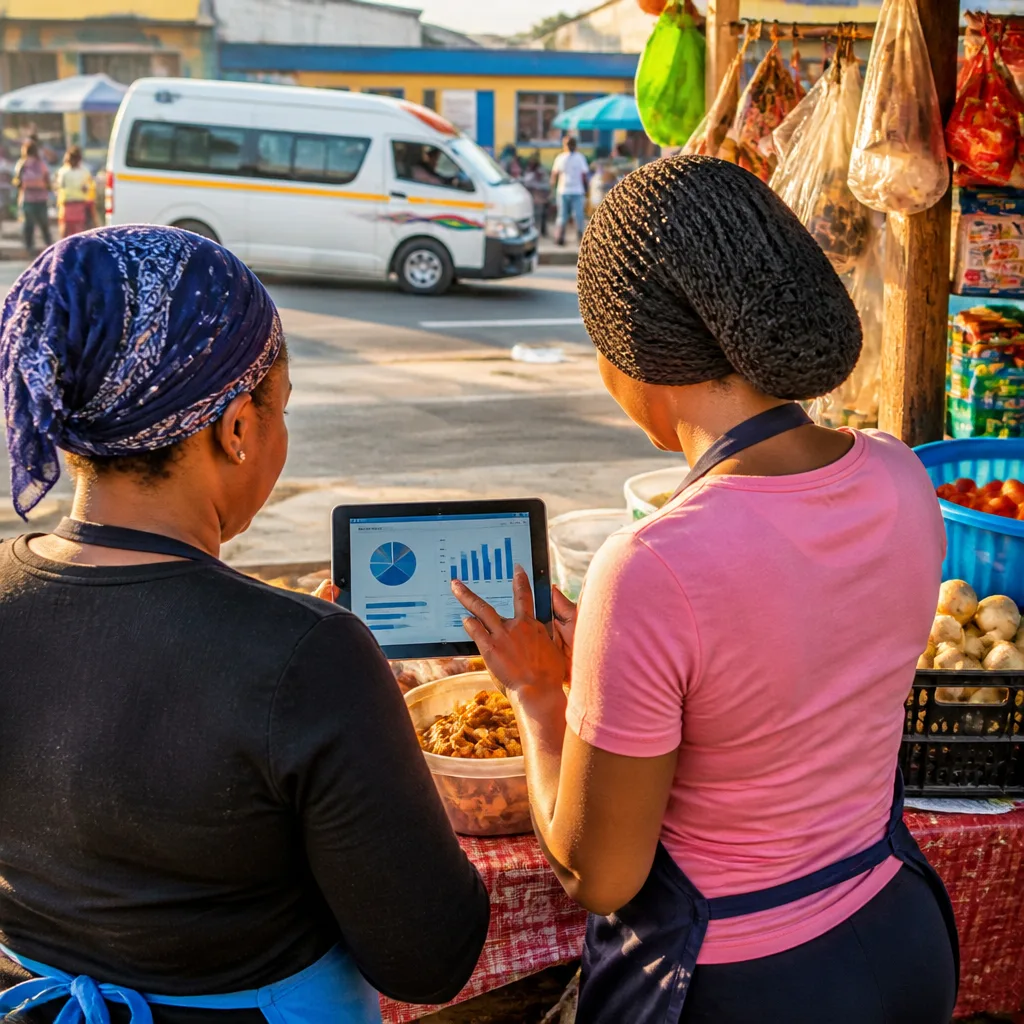
Technological change has lowered some barriers. Better connectivity has opened access to new markets, and digital payments and cloud services have reduced the need for large, centrally resourced operations. Artificial intelligence is the latest tool to extend that trend: it allows small teams to test ideas, analyse customer behaviour and explore markets without assembling a large specialist staff.
AI as an equaliser — with caveats
Access to data and automated analysis can sharpen decision-making for a micro- or small business. Where a venture can ask more relevant questions and make choices informed by analytics, it may operate with far greater strategic clarity than its scale would traditionally allow. That does not remove the importance of the entrepreneur’s domain knowledge — women’s lived understanding of household and community needs remains central — but AI can amplify that insight.
Practical examples noted in reporting include initiatives such as Pretty Kubyane’s eFama, which uses digital technology, data and AI to connect farmers directly with markets. The case illustrates how platforms can reduce intermediation costs and broaden buyers for primary producers.
| Pressure | Implication for women |
|---|---|
| Inflation (5% in June) | Household budgets feel tighter; incentives to earn increase |
| Unemployment | 58.9% of women in informal businesses cited unemployment as the reason for starting |
| Technology | Connectivity and AI lower entry costs and improve market reach |
What this means for household budgets and jobs
- For households: entrepreneurship often becomes a buffer against income shocks. But building a firm that generates sustainable revenue requires some investment — in time, stock, marketing and often digital tools — and can be risky for already stretched budgets.
- For the labour market: a rise in small female-led enterprises may absorb some unemployed workers, yet many of these ventures remain informal and may not deliver stable earnings or social protections without policy support.
- For policy: improving access to affordable digital infrastructure, small-business finance and training in data-driven decision-making could help convert necessity-driven startups into viable, income-generating firms.
Digital technology and AI are not a panacea. They can, however, change the odds for small teams that lack the scale of established competitors. For South African women balancing household costs and limited formal opportunities, those tools can be the difference between a subsistence activity and a business capable of creating regular income.
Reporting on this trend highlights both the adaptive strategies households use to manage economic strain and the policy choices that will determine whether more of these small enterprises become durable contributors to jobs and incomes.
We News does not provide financial advice.