A narrative review published in the journal Nutrients summarises a decade of research suggesting that pulses — the dried edible seeds of legumes such as peas and beans — can contribute to healthier, more sustainable diets by supporting gut microbial diversity and improving selected metabolic markers. The authors caution, however, that longer-term human trials are needed to confirm many proposed mechanisms.
What the review examined
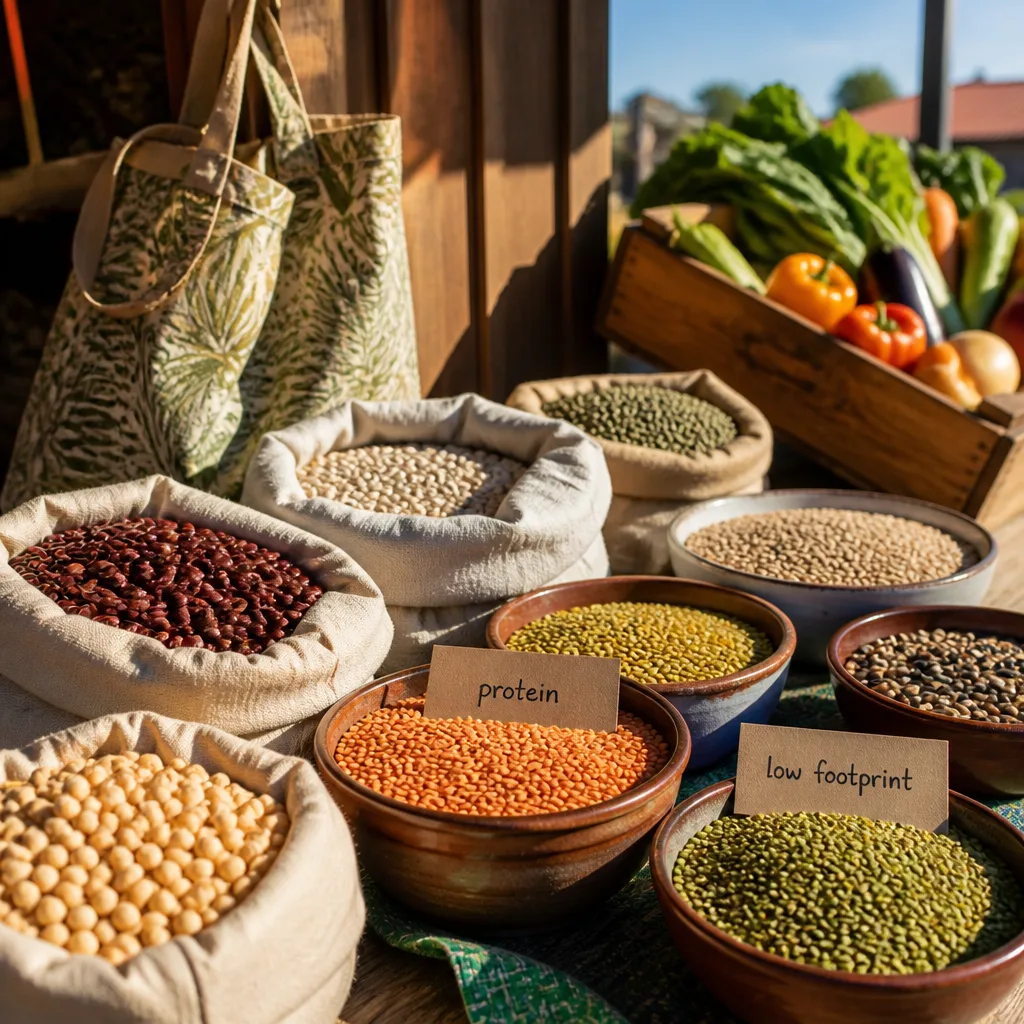
The paper, titled Transitioning Towards Sustainable Diets: Pulses, Their Role in Modulating Gut Microbiota and Metabolic Health, draws on studies published over the past 10 years to assess how pulses might affect health and the environment. It notes pulses are nutrient-dense, providing substantial amounts of protein, dietary fibre and a range of plant nutrients and phytochemicals. These characteristics make pulses attractive as alternatives to some animal-based protein foods, particularly where environmental footprint is a concern.
According to the review, some health effects of pulses may be mediated through their interaction with the gut microbiota. Fibre from pulses can change microbial composition and activity, increasing production of beneficial metabolites such as short-chain fatty acids (SCFAs). These microbial metabolites are implicated in gut barrier function, inflammation regulation and energy metabolism, which could partly explain observed benefits on cardiometabolic risk factors.
Evidence and its limits
The review states that the strongest human evidence currently supports benefits for selected cardiometabolic outcomes. However, authors repeatedly highlight a need for more robust, long-duration human trials to establish cause and effect and to clarify which pulse types, processing methods and consumption patterns yield the best results.
Researchers also discuss how regional dietary patterns influence protein sources: many high-income settings rely heavily on animal proteins, while pulses and cereals dominate in parts of the tropics and low- and middle-income countries. The review links these patterns, in part, to land availability for pasture versus arable farming, underlining that agricultural context shapes feasible shifts toward plant-rich diets.
- Nutritional advantages: pulses supply protein, fibre and phytochemicals.
- Gut microbiota: pulse fibres can increase microbial diversity and SCFA production.
- Environmental benefits: pulses generally have a lower environmental footprint than many animal proteins.
| Feature | Potential benefit |
|---|---|
| Protein content | Supports growth, maintenance of physiological functions |
| Dietary fibre | Modulates gut microbiota; increases SCFA production |
| Environmental footprint | Lower than many animal-based protein foods |
Context for South Africa
The findings have direct relevance in a South African context where diet-related non-communicable diseases are a major health burden and where sustainable, affordable protein sources are needed for food security. Pulses are already part of many traditional diets and are suited to arable farming systems common in several regions of the country.
Nevertheless, the review’s call for better long-term human data is important for clinicians and public health planners here. Evidence that pulses improve specific cardiometabolic markers is encouraging, but policymakers and health professionals should be cautious about overstating benefits until larger, well-designed trials confirm the effects and define optimal intake levels and preparation methods.
For individuals considering increasing pulse consumption, practical factors matter: accessibility, culinary acceptability and preparation to reduce antinutrient factors. Health workers should balance encouragement of pulses as part of diverse, plant-rich diets with tailored advice for people with specific medical conditions. As always, patients should consult their clinician or dietitian before making substantial dietary changes rather than self-diagnosing or relying on single studies.
In sum, the review positions pulses as a promising component of healthy, sustainable diets with plausible mechanisms acting via the gut microbiota, but it emphasises the need for stronger human trials to translate these insights into firm clinical and policy recommendations.